
Top 12 Best Exercise Mat That Will Transform Your Workouts
Using a cheap or unsuitable mat during workouts often leads to slipping, discomfort, or quick wear, turning exercise time into a frustrating experience. Finding the best exercise mat means investing in something that stays put, cushions your joints properly, and withstands regular use without falling apart or losing shape. Those who’ve tried flimsy mats know how distracting a slipping surface can be, especially during balance or floor exercises.
A reliable exercise mat typically has a thickness between 6 to 10 millimeters, offering enough padding without compromising stability. Material matters: dense foam provides firm support, while natural rubber often offers better grip and durability. Size is important for full-body movements, mats around 68 inches long and 24 inches wide accommodate most people comfortably.
Non-toxic, easy-to-clean surfaces also help maintain hygiene, which is essential during repeated use in sweaty conditions.
Need a Quick Check?
| Image | Product | Price |
|---|---|---|
Our Top Picks 1  | CAP Barbell Balance Mat | Check Price |
Our Top Picks 2  | Retrospec Solana Mat | Check Price |
Our Top Picks 3 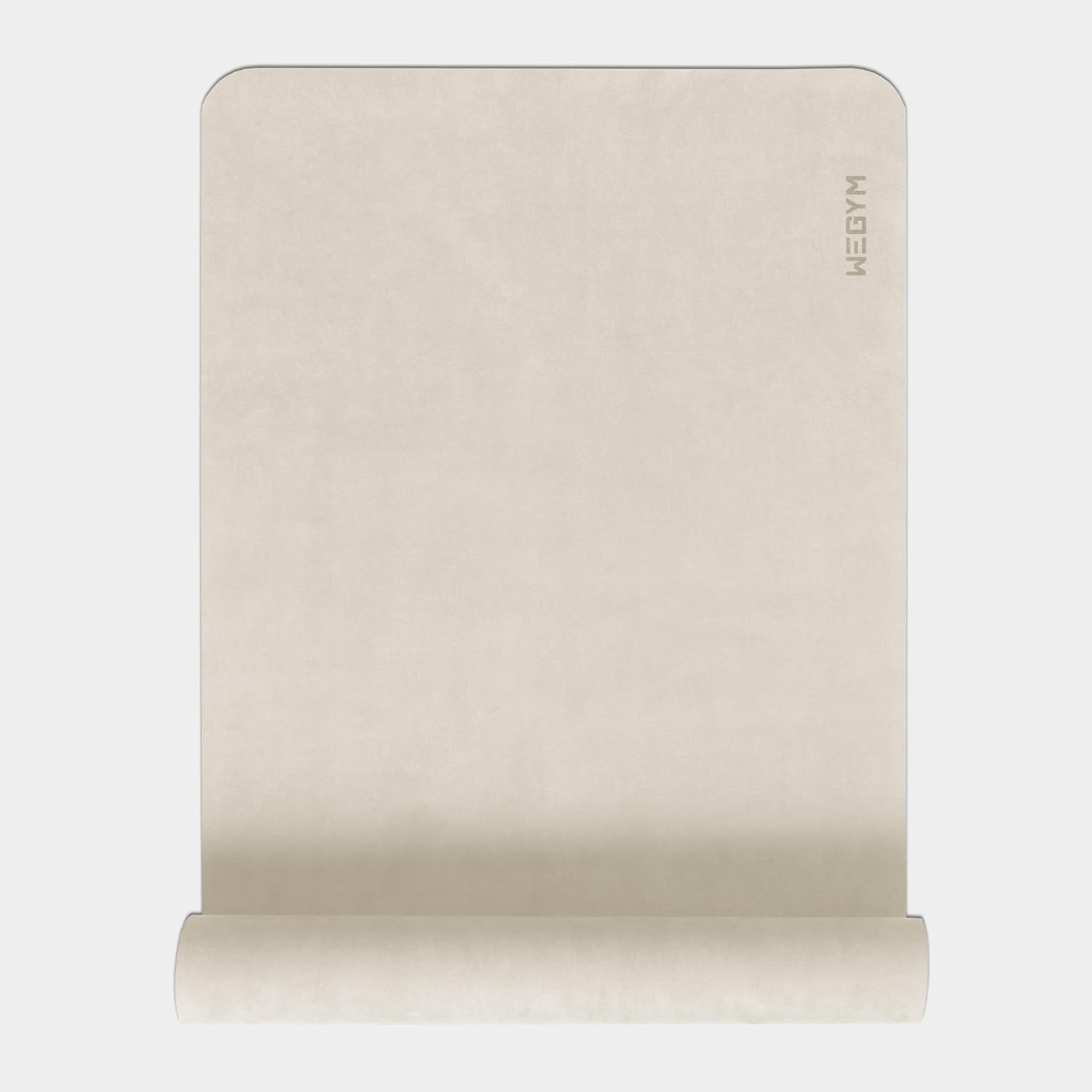 | WeGym Yoga Mat | Check Price |
Our Selected Top 12 Exercise Mat for Every Budget
This list includes a variety of exercise mats suited to different budgets and needs, each evaluated for comfort, durability, and usability. Detailed insights cover performance aspects, ideal users, and both strengths and limitations to help you make an informed choice.
1. CAP Barbell Folding Exercise Balance Mat
Two inches thick and made from high-density foam, this exercise mat stands out for its cushioning and support. Perfect for anyone wanting solid joint protection during activities like yoga, tumbling, or strength training at home or the gym. Its biggest strength lies in the extra padding that really softens the impact.
Setting it up is straightforward since it’s a foldable mat, making it easy to store and carry around. The non-toxic material makes daily use safer, especially when kids are around.
It handles stretching and aerobics without sliding or sliding marks, providing a comfortable surface for various workouts or therapy sessions.
It performs well in absorbing impact, protecting knees and elbows during exercises that demand floor contact. Built with safe, phthalate-free materials, it’s suitable even for children’s gymnastics. Most find it very durable and cushioned, though some mention it can be bulky or take up more space than thinner mats.
The thick cushioning receives strong praise for protecting joints during workouts, making it comfortable for longer sessions. A recurring downside is the mat’s bulkiness, which some note as inconvenient for storage or carrying in smaller spaces.
People looking for extra padding and safer materials will be well suited by this mat. Those needing compact or lightweight options for travel or minimal storage might want to find thinner alternatives elsewhere.
Pros
- Extra thick 2-inch cushioning for joint comfort
- Safe, non-toxic materials ideal for kids
- Foldable design for easier storage and transport
- Good shock absorption for diverse workouts
Cons
- Bulkier than thinner mats, takes more space
- May feel too soft for some intense exercises
| Specification | Details |
|---|---|
| Brand Name | CAP |
| Unit Count | 1 Count |
| Model Number | MTIS-9263-BK10P |
| Material | High-Density Foam, 2-Inch Thick |
| Safety | 10P Free (Phthalates, Lead, Mercury) |
2. Retrospec Solana Yoga Mat
Extra thick cushioning of 1/2 inch makes it ideal for anyone looking to protect joints during yoga or floor workouts. It suits both beginners and experienced exercisers who want reliable padding and balance. The biggest strength lies in its ability to reduce pressure on knees, hips, and hands, making challenging poses more comfortable.
Setup includes unrolling the mat and using the included strap to keep it rolled for storage or transport. Its non-slip surface keeps it firmly in place on a variety of floors, allowing you to focus on exercises without shifting.
The sizable 72×24 area gives enough space for most stretching or yoga routines while the thickness comfortably cushions pressure points during extended use.
Its material holds up well to daily wear regardless of workout intensity. Thickness provides solid comfort without feeling unstable, and the mat stays securely on flat surfaces thanks to its grip.
Occasional users will notice a harmless initial odor when first unrolled. The most praised feature is its comfort from extra padding; a common complaint is the initial smell when unpacked.
The thick padding is praised for easing pressure on knees and hips during exercise, enhancing comfort throughout routines. Several mention the harmless smell present at first use, which fades over time but can be noticeable initially.
Anyone seeking strong cushioning combined with a stable surface will appreciate this mat for home or studio workouts. Those sensitive to odors or wanting a mat with warranty coverage might want to look at alternatives.
Pros
- Extra thick 1/2 inch cushioning for joint comfort
- Non-slip surface keeps mat firmly in place
- BPA free and free of harmful chemicals
- Includes convenient carrying strap
Cons
- Initial odor when first unrolled
- Does not come with a warranty
| Specification | Details |
|---|---|
| Dimensions | 72″ x 24″ x 1/2″ |
| Material Features | BPA Free, no Phthalate, heavy metals or latex |
| Included Components | Yoga Mat Strap |
| Brand | Retrospec |
| Model Number | 4437 |
3. WeGym Yoga Mat
Finding a mat that stays put and feels good during hot yoga sessions can be tough. Perfect for hot yoga, Pilates, stretching, and meditation, this exercise mat offers a grip that actually improves when you sweat.
Its biggest strength lies in the balance between softness and solid footing.
Rolling it out is simple thanks to its 71 x 26 inch size, giving you plenty of space to move. The soft microfiber suede surface feels smooth at first and becomes grippier as you break a sweat, so slipping isn’t an issue. A natural rubber base keeps the mat firmly in place, even during weight shifts, and the 4 mm thickness cushions your knees during floor work.
The mat performs well in all its intended uses, maintaining grip even through intense hot yoga flows. It’s built with quality materials that hold up in daily practice.
Strong points include the sweat-activated grip and stable rubber base, while the most noted drawback is that it may feel thin for those wanting more cushioning.
The mat is praised for a sweat-activated suede surface that really holds steady during hot yoga. The common downside is the thinness which some find less comfortable when kneeling or on hard floors. It’s sturdy but might not suit those who want extra padding.
Practitioners looking for a mat that grips better as they sweat will appreciate its performance. Those needing thick cushioning for joint support might prefer a thicker option to avoid discomfort during longer sessions.
Pros
- Grip improves with sweat during hot yoga
- Natural rubber base prevents slipping
- Soft suede surface feels smooth to touch
- Good cushioning for knees with 4 mm thickness
Cons
- 4 mm thickness might feel thin for some
- Only one color option available
| Specification | Details |
|---|---|
| Brand Name | WeGym |
| Unit Count | 1 Count |
| Size | 71 x 26 in |
| Thickness | 4 mm |
| Material Base | Natural Rubber |
| Part Number | YM_Su_Sandstone |
4. WEILA Foldable TPE Yoga Mat

Half an inch thick, the WEILA Foldable TPE Yoga Mat offers impressive cushioning that suits anyone wanting extra joint support during workouts. Its padding stands out for people doing pilates, home fitness, or gym exercises, providing a comfortable surface that really takes the strain off hard floors.
Daily use is easy since the mat folds into seven sections, making it simple to carry around and store. Despite its thick build, it remains lightweight enough for travel or gym visits.
Its odorless TPE material keeps it fresh and safe, while the foldable design helps avoid awkward rolling or bulky straps.
The mat performs well by providing solid joint support and a durable surface for all types of exercises. Its build quality feels sturdy, and the cushioned thickness protects knees and elbows effectively. Common feedback highlights the excellent padding, while some mention the mat’s thicker profile might take a little getting used to for balance postures.
Many appreciate the half-inch thickness for its joint support and comfort during workouts. On the downside, the folds needed for portability sometimes leave marks or affect the flatness, which could be an issue for precise yoga poses.
This mat is well suited for those prioritizing cushioning and easy transport. It fits home exercisers and gym-goers who don’t mind a thicker mat. Anyone needing a completely flat surface for balance-focused practices might want to explore thinner options.
Pros
- Thick cushioning protects joints comfortably
- 7-fold design makes carrying simple
- Lightweight despite 12mm thickness
- Odorless and safe TPE material
Cons
- Thick padding can affect balance on some poses
- Folds may leave creases visible on surface
| Specification | Details |
|---|---|
| Thickness | 1/2 inch (12mm) |
| Material | SGS Odorless TPE |
| Design | 7-Fold, Lightweight and Portable |
| Unit Count | 1 Count |
| Manufacturer | WEILA |
| Number of Items | 1 |
5. Amazon Basics Exercise Yoga Mat

People who do yoga, stretching, or home workouts will find this mat’s extra thick cushioning very comfortable. Its biggest strength lies in the half-inch thick padding that supports joints well during longer sessions.
It’s designed for everyday use, fitting a wide range of exercises with its generous size and grip.
Setting it up is simple as it’s lightweight, just over two pounds, making it easy to carry around or roll out quickly. The textured surface grips the floor well, so it stays put whether you’re doing yoga poses or bodyweight exercises. Its size gives enough room to stretch fully without feeling cramped during workouts.
The mat does a solid job at shock absorption thanks to the NBR foam that returns to shape after use, which helps it last without losing softness. Users appreciate its thickness and grip, though some might find the texture a bit firm under certain pressure points.
It’s easy to clean, yet the material’s thickness might make quick drying slower.
The mat’s thick NBR foam offers solid shock absorption and durability, making it comfortable for various exercises. Most find it stays firmly in place during use, but a few notice firmness in certain areas. Cleaning is straightforward, though drying takes longer due to its density.
Anyone looking for a cushioned, grippy surface that fits full-body workouts will be satisfied with this mat. Those who prefer a softer, more plush feel or need fast-drying material might want to look elsewhere.
Pros
- Extra thick cushioning for padded support
- Textured surface keeps mat in place
- Lightweight and easy to carry
- Ample size for full-body workouts
Cons
- Texture can feel firm on some pressure points
- Thickness may slow down drying time
| Specification | Details |
|---|---|
| Material | 100% NBR foam |
| Thickness | 0.5 inch |
| Size | 74 x 24 inches |
| Weight | 2.2 pounds |
| Model Number | YM2001 |
6. Gruper Non Slip NBR Yoga Mat
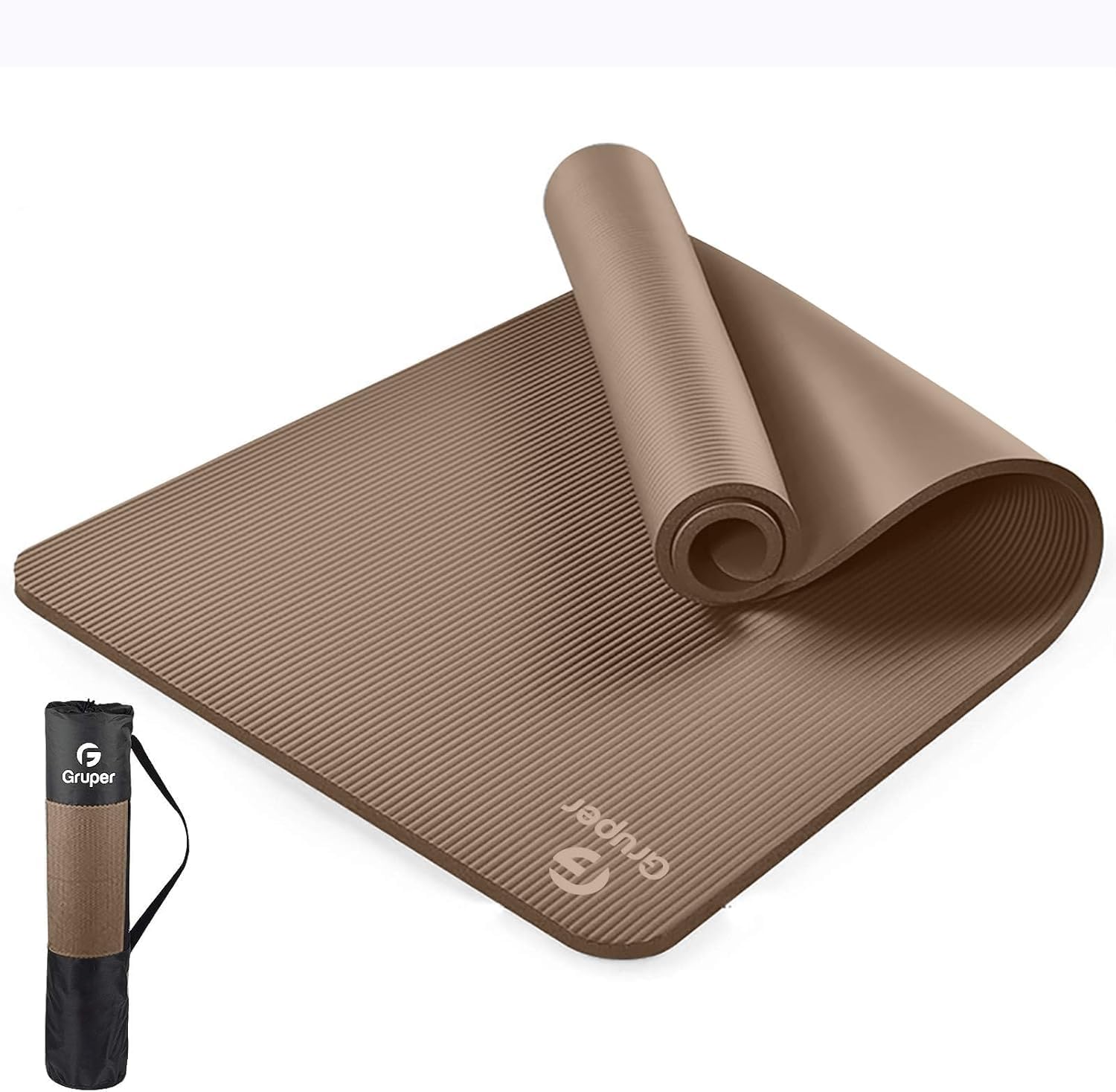
Extra thick cushioning without losing stability makes the Gruper Non Slip NBR Yoga Mat stand out. Perfect for anyone wanting extra knee and joint comfort during yoga, Pilates, or floor workouts, it’s long enough to fit most users comfortably and keeps you from sliding on hard floors.
Carrying it around is simple thanks to the free bag and strap included. The texture on the surface helps prevent slipping, even on tile or hardwood. Its 72 x 24-inch size offers plenty of space to stretch out.
Setting it up is just unrolling on the floor, and the thickness balances softness with steady footing, so it feels good during all kinds of routines.
Made from NBR material, it offers solid cushioning without being overly soft, protecting knees and joints well. The mat handles repeated use without tearing, and its grip stays effective over time. A frequent compliment is how well it cushions while staying stable; a noted downside is its weight, making it a bit heavier to carry than thinner mats.
The mat’s best feature is its thick cushioning combined with a textured, non-slip surface that offers steady footing. The most common complaint centers on its weight, making it less convenient for those who need something ultra-light for easy transport.
People wanting strong joint support and stability will appreciate this mat. Those prioritizing lightweight portability might want to consider thinner options instead.
Pros
- Extra thick cushioning protects knees and joints
- Textured surface prevents slipping on hard floors
- Longer length fits most users comfortably
- Comes with carry bag and strap for transport
Cons
- Slightly heavier than thinner exercise mats
- May feel bulky for some to carry around
| Specification | Details |
|---|---|
| Dimensions | 72 x 24 x 0.4 inches (185cm x 61cm x 10mm) |
| Thickness | 0.4 inches (10mm) |
| Material | NBR (Anti-Tear) |
| Included Accessories | Carry bag and strap |
| Brand Name | Gruper |
7. Gruper Eco Friendly Yoga Mat

Gruper Eco Friendly Yoga Mat stands out for its commitment to green materials and solid grip. Perfect for anyone wanting a safer and softer surface for activities like yoga, Pilates, or general fitness. Its anti-skid design really shines, giving confidence during every move without slipping.
Setting up for workouts is simple thanks to its lightweight feel at 2.6 pounds and manageable 6mm thickness. The double-layer texture grips firmly to floors and skin, keeping the mat in place throughout sessions.
Cleaning is straightforward since the material feels durable without absorbing sweat or dirt easily.
The mat performs well in providing stable footing, making balance-focused exercises far more secure. Construction with premium eco-friendly materials resists tearing and deformation, lasting longer than traditional mats.
Most users enjoy its soft comfort, yet a few mention it could be thicker for added cushioning during longer sessions or softer joints.
Many appreciate the mat’s soft texture and reliable grip, which stays steady without shifting during workouts. Some find the 6mm thickness isn’t quite enough for prolonged floor exercises needing extra cushioning. Its eco-friendly build adds a level of safety compared to conventional mats.
Those who prioritize sustainability and stable footing will enjoy this mat. Anyone needing thicker padding or looking for a budget option might want to explore different models. It suits people practicing various disciplines who value both comfort and durability.
Pros
- Soft and safe eco-friendly material
- Double-layer anti-tear structure
- Strong grip with non-slip surface
- Lightweight and easy to carry
Cons
- May feel thin for users wanting extra cushioning
- Costs more due to premium materials
| Specification | Details |
|---|---|
| Brand Name | Gruper |
| Size (Standard) | 72″ (183cm) x 24″ (61cm) |
| Thickness | 0.24″ (6mm) |
| Weight | 2.6lb |
| Material | Eco Friendly (TPE) |
| Anti-Skid Design | Double-layer non-slip texture on both sides |
8. CAP Extra Thick Yoga Mat

Landing on a cushioned surface makes all the difference when working out at home. Ideal for anyone needing extra padding during floor exercises, this mat’s thick 1-inch foam offers noticeable comfort under sensitive spots like knees and elbows. Great for Pilates, stretching, and core workouts where extra cushioning counts most.
Rolling it out is straightforward thanks to its generous size and consistent thickness. The latex-free NBR foam feels firm yet forgiving, making it comfortable for exercises performed lying down or on hands and knees. It stays put without slipping, and cleanup is simple, wiping away sweat or spills easily after each session.
The 1-inch thickness truly protects joints on hard floors, preventing discomfort during longer workouts. Its high-density foam maintains shape without flattening, so every session feels cushioned.
Most praise focuses on how soft and supportive it is, although a few mention the mat can feel slightly heavy to carry around.
Exceptional cushioning is the most appreciated feature, making workouts on hard floors much more comfortable. The main drawback noted is the mat’s weight, which makes it less convenient to carry around frequently.
This mat suits those mainly exercising at home who want durable joint support during floor moves. People needing something lightweight for on-the-go workouts might want to look for a thinner or lighter alternative.
Pros
- Extra-thick 1-inch cushioning eases joint pressure
- Latex-free material suits sensitive users
- Generous size fits various exercise types
- Simple cleanup with a damp cloth
Cons
- Heavier weight may reduce portability
- Not ideal for travel or small gym bags
| Specification | Details |
|---|---|
| Brand Name | CAP |
| Unit Count | 1 Count |
| Manufacturer | Cap Barbell, Inc. |
| Item Highlight | Latex-free NBR foam adds deep cushioning |
| Model Number | MTIS-6523-25BK |
9. CAP Barbell High Density Yoga Mat

Excellent cushioning makes it ideal for anyone looking for comfort during floor exercises. A half-inch thick, high-density NBR foam mat suits yoga practitioners, Pilates fans, and those doing bodyweight workouts at home.
Its biggest strength lies in providing solid support while protecting joints on hard surfaces.
Rolling out the mat takes just seconds, and its 68 by 24 size offers ample room for stretches and movement. The latex-free foam is easy to clean, which keeps maintenance simple over time.
Using it daily means soft support underneath knees, elbows, and back, reducing discomfort during longer sessions and making workouts more enjoyable.
This mat performs well in cushioning pressure points without compressing too much underweight. Construction using dense NBR foam provides durability and prevents slipping on common floor types.
The main praise centers on how well it cushions joints during exercises. Some mention it can feel a bit heavy to carry around.
Strong cushioning comfort stands out as its best feature, helping reduce strain during floor-based exercises. Common feedback points to the mat’s weight, which some find less convenient for transport or storage.
Great choice for individuals prioritizing joint protection in yoga or Pilates without latex allergies. Those needing a lightweight or ultra-thin mat may want to explore alternatives better suited to portability or minimal padding.
Pros
- Soft support for joints during floor exercises
- Latex-free foam easy to clean
- Generous size accommodates various workouts
- Durable, does not compress easily
Cons
- Heavier than some other mats
- May feel thick for users preferring minimal cushioning
| Specification | Details |
|---|---|
| Thickness | 1/2 inch |
| Material | High-density latex-free NBR foam |
| Dimensions | 68″ x 24″ |
| Brand Name | CAP |
| Model Number | MTIS-6523-12BK |
10. Retrospec Solana Extra Thick Yoga Mat

Crafted with an extra thick 1-inch padding, this mat suits anyone who needs added cushioning for joints during exercise. Ideal for yoga, pilates, or stretching routines, it focuses on comfort and balance without compromising stability.
Setting it up is straightforward thanks to its large 72 by 24 surface, and the included nylon carrying strap makes moving it between locations easy. The non-slip grip keeps the mat secure on the floor, making daily workouts feel steady and safe, especially during moves that require extra focus on balance.
Handling intense sessions holds no problem thanks to durable material built for regular use. The extra thickness reduces strain on knees and hips during floor exercises, earning praise for comfort. A complaint found is that the mat doesn’t come with a warranty, which could concern those seeking long-term assurance.
The extra thick cushioning provides strong support for pressure points during workouts, which users appreciate for reducing joint stress. Common concern involves the lack of warranty, affecting buyer confidence in long-term durability.
Anyone focused on joint comfort during yoga or pilates will find this mat highly suitable. Those who prioritize lightweight or compact options for travel might want to consider thinner mats.
Pros
- Extra thick padding for joint support
- Non-slip surface prevents unwanted movement
- Durable material suitable for daily use
- Includes a carrying strap for portability
Cons
- No warranty provided by the manufacturer
- Mat could be bulky to carry without spotting
| Specification | Details |
|---|---|
| Dimensions | 72″ X 24″ X 1″ |
| Material Features | Non Slip, Latex Free |
| Included Components | Yoga Mat Strap |
| Unit Count | 1 Count |
| Item Type | Yoga Mat |
11. Extra Thick Exercise Yoga Mat

With a substantial 3-inch thickness, this exercise mat offers impressive cushioning ideal for anyone looking to protect their knees, wrists, and spine during workouts. It suits those who prioritize comfort in yoga, Pilates, or stretching routines, mainly due to its shock-absorbing design.
Its tri-fold layout folds the mat into a compact size, making transport simple with the built-in handle. Putting it away or carrying it to the gym feels straightforward rather than clunky.
Daily use involves unrolling and unfolding with little effort, and the thick foam provides steady support on hard floors.
The high-density foam underneath provides solid pressure relief, letting exercises feel less harsh on joints. Construction is durable with a dense feel that stays intact through multiple uses. Some users note the mat’s thickness can make balance poses tricky, but most appreciate how it cushions each movement effectively.
Users often praise the mat’s 3-inch foam for noticeably easing pressure on knees and wrists during workouts. Some mention the extra thickness can make maintaining balance harder, which stands out as the main drawback. The tri-fold design and handle help with moving it around despite the weight.
Those focused on cushioning and joint comfort will find this mat a solid choice, especially for floor exercises and stretching. People needing a lightweight or more minimal surface for dynamic balance poses might want to explore thinner alternatives instead.
Pros
- Thick cushioning reduces joint pressure
- Tri-fold design for compact storage
- Carry handle makes transport easy
- Durable high-density foam construction
Cons
- Thickness may challenge balance during poses
- Heavier and less portable than thinner mats
| Specification | Details |
|---|---|
| Brand Name | CRAURU |
| Thickness | 3-Inch High-Density Foam |
| Design | Tri-Fold with Carrying Handle |
| Number of Items | 1 |
| Manufacturer | CRAURU |
12. Large Home Exercise Mat

Large exercise mats often fall short in size and durability, but this one stands out by offering an extra-large surface that suits intense home workouts or group exercises. Ideal for anyone needing plenty of space or a mat that can handle shoes and impact without wearing out quickly.
Setting it up is straightforward thanks to the wide size options, ranging from 6’x4′ up to 10’x5′. Using it day to day, the mat stays firmly in place thanks to its non-slip surface, so there’s no worrying about sliding during jump rope or strength training. It works well on various floors, and the thick, high-density material cushions every move, making exercises more comfortable whether barefoot or with shoes on.
Performance-wise, it holds up well against abrasion and rough handling, reflecting its tear-resistant build. The large size really helps avoid stepping off during dynamic routines.
On the flip side, some feel it could be heavier or more portable. The mat’s thickness and material provide solid protection without losing grip or becoming damaged over time, proving it’s built for long-term use.
The most praised aspect is its resistance to abrasion and daily wear, holding up well during high-impact activities. The common complaint revolves around the mat’s weight and bulk, making it less convenient to move frequently.
Anyone who needs a large, sturdy mat for intense home or shared workouts will appreciate these qualities. People seeking a lightweight or easily portable mat might want to consider smaller or thinner alternatives.
Pros
- Generous size options for varied workout needs
- Durable material resists scratches and wear
- Non-slip surface keeps mat in place
- Suitable for use with or without shoes
Cons
- Can be somewhat heavy to carry around
- May feel bulky for easy portability
| Specification | Details |
|---|---|
| Brand Name | Stepwaver |
| Material | High-density extra thick workout mat |
| Size Options | 6’x4′, 7’x5′, 8’x5′, 9’x5′, 10’x5′ |
| Features | Non-Slip, Ultra Durable, Shoes-Friendly |
| Item Highlight | High-density extra thick workout mat for home gym, cardio, jump rope, MMA, weights |
Best Exercise Mats Comparison Table
| Product | Size | Thickness | Material | Included Accessory |
|---|---|---|---|---|
| CAP Barbell Balance Mat | – | – | – | – |
| Retrospec Solana Mat | 72″x24 | 1/2 | – | Yoga Mat Strap |
| WeGym Yoga Mat | 71″x26 | – | Natural Rubber | Carrying Strap |
| WEILA Foldable Mat | – | – | Odorless TPE | – |
| Amazon Basics Yoga Mat | – | – | – | – |
| Gruper Non Slip Mat | 72″L x 32″/24″W | 0.6″/0.4 | – | Carrying Strap and Bag |
| Gruper Eco Yoga Mat | – | – | TPE | – |
| CAP Thick Yoga Mat | – | – | Latex-free NBR foam | – |
| CAP High Density Mat | – | – | Latex-free NBR foam | – |
| Retrospec Solana Thick Mat | 72″x24 | 1 | Latex Free | Yoga Mat Strap |
| Extra Thick Exercise Mat | – | – | – | – |
| Large Home Exercise Mat | – | Extra Thick | High-Density | – |
- Size–
- Thickness–
- Material–
- Included Accessory–
- Size72″x24
- Thickness1/2
- Material–
- Included AccessoryYoga Mat Strap
- Size71″x26
- Thickness–
- MaterialNatural Rubber
- Included AccessoryCarrying Strap
- Size–
- Thickness–
- MaterialOdorless TPE
- Included Accessory–
- Size–
- Thickness–
- Material–
- Included Accessory–
- Size72″L x 32″/24″W
- Thickness0.6″/0.4
- Material–
- Included AccessoryCarrying Strap and Bag
- Size–
- Thickness–
- MaterialTPE
- Included Accessory–
- Size–
- Thickness–
- MaterialLatex-free NBR foam
- Included Accessory–
- Size–
- Thickness–
- MaterialLatex-free NBR foam
- Included Accessory–
- Size72″x24
- Thickness1
- MaterialLatex Free
- Included AccessoryYoga Mat Strap
- Size–
- Thickness–
- Material–
- Included Accessory–
- Size–
- ThicknessExtra Thick
- MaterialHigh-Density
- Included Accessory–
How to Choose the Right Exercise Mat
Choosing an exercise mat involves considering thickness, material, and grip to ensure comfort and safety during workouts. Selecting the right features prevents wear and discomfort, saving money by avoiding frequent replacements and reducing the risk of injury. Making an informed choice leads to better, longer-lasting use.
Thickness and Cushioning
Using a mat that’s too thin can quickly cause discomfort, especially during exercises that put pressure on knees or elbows. A mat with a thickness of about 6mm generally offers a good balance of cushioning and joint support for most workouts like yoga or Pilates. Thicker mats around 10mm or more provide excellent shock absorption, which is helpful for high-impact routines but can sometimes feel unstable during balance exercises.
On the other hand, ultra-thin mats improve stability but may not protect joints as well during floor work.
Thicker mats can also be less portable, they tend to weigh more and take up extra space when rolled up. When storage or portability is important, choose mats that combine a thickness of 4-6mm with lightweight materials.
This way, daily use feels comfortable without making it difficult to bring the mat along to class or gym.
Material and Durability
Mats made from PVC are common due to their durability and resistance to wear, but they often contain chemicals that might cause sensitivity in some people. Natural rubber mats are more eco-friendly and usually hypoallergenic, which suits those with skin reactions, but they may degrade faster if exposed to sunlight or moisture.
Thermoplastic elastomer (TPE) options offer a good middle ground with decent lifespan and less odor.
Consider how well the mat stands up to tears or indentations from repeated use. Thin mats or cheaper materials can easily puncture or lose shape over time.
Look for dense, closed-cell materials that do not absorb sweat, maintaining their form and grip without peeling or cracking even after months of daily workouts.
Size and Surface Area
Standing or lying completely on the mat makes a big difference during workouts. Someone above 6 feet tall often needs a mat length of at least 72 inches so feet don’t hang off.
Width around 24 inches is standard, but wider mats can help give extra room for moves involving stretching or side-to-side motions. A cramped surface can disrupt flow and force adjustments.
Different exercise types demand different space. Yoga and Pilates usually require stable footing on a narrow, long mat, while dynamic workouts like HIIT need enough width and length to keep safe from slipping off during fast movements.
Matching mat size to your body and activity prevents accidents and improves comfort.
Grip and Nonslip Properties
Texture plays a critical role in how well a mat stays in place on wood, tile, or carpet. Mats with a patterned or sticky surface provide better traction, preventing the mat or your hands and feet from sliding during poses or rapid exercises. Smooth mats tend to slip easily, increasing the risk of falls or injuries.
Maintaining grip over time requires wiping the mat after sweating or using it on dusty floors. Look for materials that don’t lose their nonslip quality when damp. Avoid overly porous surfaces that trap moisture since they become slippery when wet and harder to clean, reducing safety during workouts.
Ease of Cleaning and Maintenance
Excessive sweat can lead to unpleasant smells or even mold growth if the mat does not dry quickly or resist moisture. PVC and TPE mats often repel water better, making them easier to clean and dry.
Natural rubber mats absorb moisture more readily, which might need more frequent and thorough drying.
Wiping the mat down after each session with a damp cloth and mild soap keeps odors and bacteria at bay. Avoid harsh chemicals that degrade the material. Choosing a mat with a smooth surface helps speed drying times and prevents dirt from sticking, which reduces the effort needed for maintenance and keeps the mat safe and clean longer.
Proper Maintenance and Cleaning Tips for Exercise Mats
Exercise mats naturally collect sweat, dirt, and oils, so regular cleaning is crucial. Wiping the mat down after each use with a mild soap and water solution prevents buildup that can make it slippery or smelly. Avoid harsh chemicals that might break down the material over time.
For a deeper clean, some mats are machine washable, check the care instructions before tossing it in the laundry. Dry the mat fully before rolling or storing it to prevent mold or mildew growth.
To maintain your mat:
- Clean spills or stains immediately with a damp cloth.
- Use a spray bottle with diluted vinegar or mild detergent for routine sanitizing.
- Roll the mat loosely to avoid creases and cracks in the material.
- Store it flat or hanging if space allows to maintain shape.
Consistent upkeep extends the mat’s lifespan and ensures a safer workout surface.
Common Mistakes to Avoid When Using an Exercise Mat
A frequent mistake is using a mat on slippery floors without securing it, which can cause slipping during exercise. Some mats have textured undersides or grips to prevent this, but placing a towel beneath can help on smooth surfaces. Another issue is using a mat that’s too thin for the type of workout, reducing comfort and potentially causing joint pain.
Ignoring mat thickness and firmness for specific activities like yoga, Pilates, or strength training can lead to discomfort or inadequate support. Similarly, not keeping the mat clean allows bacteria and odors to build up, which can irritate skin and shorten the mat’s usability.
Common pitfalls include:
- Failing to clean the mat after heavy sweating sessions.
- Using the mat outdoors without checking durability against rough surfaces.
- Ignoring wear and tear signs such as cracks or thinning padding.
Address these points to protect both your performance and equipment.
Comparing Exercise Mats to Alternative Fitness Surfaces
Exercise mats offer a defined, cushioned spot ideal for bodyweight workouts, stretching, and floor exercises. Compared to hardwood or tile floors, mats provide necessary padding to protect joints.
Unlike carpet, they don’t hold onto dust and allergens as much and offer a firmer surface that supports balance.
Gym turf or rubber flooring provides excellent shock absorption and durability but usually lacks portability for home or travel use. Foam tiles create modular flooring but require more space and setup.
Some prefer carpet for warmth, but it can hinder movement and is harder to clean.
Key differences include:
- Portability: Mats are easy to roll and carry, unlike fixed floors.
- Surface texture: Mats balance grip with cushion, while turf is rougher and carpet is softer but less stable.
- Maintenance: Mats clean easily; carpet and turf demand more frequent care.
The choice depends on workout type, space, and ease of maintenance preferences.
People Also Asked
How Do I Clean and Maintain My Exercise Mat Properly?
Wipe your exercise mat with a damp cloth and mild soap after use to keep it clean. Avoid harsh chemicals because they can degrade the material over time. Let it air dry completely before rolling it up to prevent mold and odors.
What Size Exercise Mat Works Best for Different Workout Types?
A standard mat around 68 inches long and 24 inches wide works for most exercises like yoga or pilates. For activities needing more space, such as stretching or dynamic workouts, longer and wider mats provide better coverage and comfort.
Are Exercise Mats Safe for People with Sensitive Skin?
Most mats made from natural or non-toxic materials are suitable for sensitive skin. Choosing a mat without strong odors or chemical residues can help prevent irritation during workouts. Testing a small patch against your skin before extended use is a good precaution.
How Long Does a Typical Exercise Mat Last with Regular Use?
With regular use and proper care, an exercise mat can last about 1 to 3 years. Mats that are thinner or lower quality tend to wear out faster, while thicker ones resist compression and tearing longer. Rotating your mat and storing it flat can extend its life.
What Common Problems Should I Watch Out for with Exercise Mats?
Common issues include peeling or cracking of the surface and loss of cushioning. Mats may also develop an unpleasant smell if not dried properly after workouts. Avoiding excessive exposure to sunlight and folding rather than rolling the mat helps maintain its condition.
Conclusion
Thickness, durability, and grip are the main factors to consider when choosing an exercise mat. A thicker mat offers more cushioning for floor exercises, while durability ensures it holds up over time. Grip matters to keep you stable during workouts and prevent slipping.
Think about the size of your workout area and how often you plan to use the mat before making a decision. Spend within your budget but remember that very cheap mats might wear out quickly. Use the comparison table and the reviews above to find the mat that fits your needs best.