How to Choose the Right Foundation for Your Skin Type and Tone
Finding the ideal foundation means selecting one that blends seamlessly with your skin tone and complements your skin type, providing the desired coverage without clogging pores or feeling heavy. This choice depends on several factors including your skin’s oiliness, sensitivity, and the coverage you want to achieve.
Choosing the right foundation can make a significant difference to your overall makeup look, enhancing your natural complexion while addressing concerns like redness, acne, or dryness. Different formulas such as liquid, powder, and cream perform better on certain skin types, making it important to know how each reacts to your unique skin condition.
This article will explore the critical aspects of foundation selection including identifying your skin type, understanding undertones, matching coverage needs, and tips on testing foundations before buying. Additionally, we’ll look at various foundation formulas and tools to help you find a perfect fit.
Understanding Your Skin Type for Foundation Selection

Identifying Your Skin Type
Determining whether your skin is oily, dry, combination, or sensitive is the first step in finding the right foundation. Oily skin tends to shine and may require mattifying formulas, while dry skin benefits from hydrating and dewy foundations that add moisture.
Combination skin features oily zones like the T-zone with dry cheeks, necessitating formulas that balance hydration without adding excess shine. Sensitive skin types should opt for foundations free of fragrances and irritants to avoid reactions.
- Oily skin: Look for oil-free, matte foundations
- Dry skin: Choose moisturizing, luminous formulas
- Combination skin: Use balanced or hybrid foundations
- Sensitive skin: Pick hypoallergenic, fragrance-free options
How Skin Type Influences Foundation Performance
Foundations interact differently depending on your skin’s natural oil production and texture. For instance, oily skin may cause some foundations to slide off or separate, while dry skin might cause cakey or patchy appearances.
Using a foundation suited to your skin type ensures it stays put longer, feels comfortable, and looks natural throughout the day. Understanding this helps in selecting formulas that enhance rather than hinder your skin's health.
Matching Foundation Shade and Undertone
Determining Your Skin’s Undertone
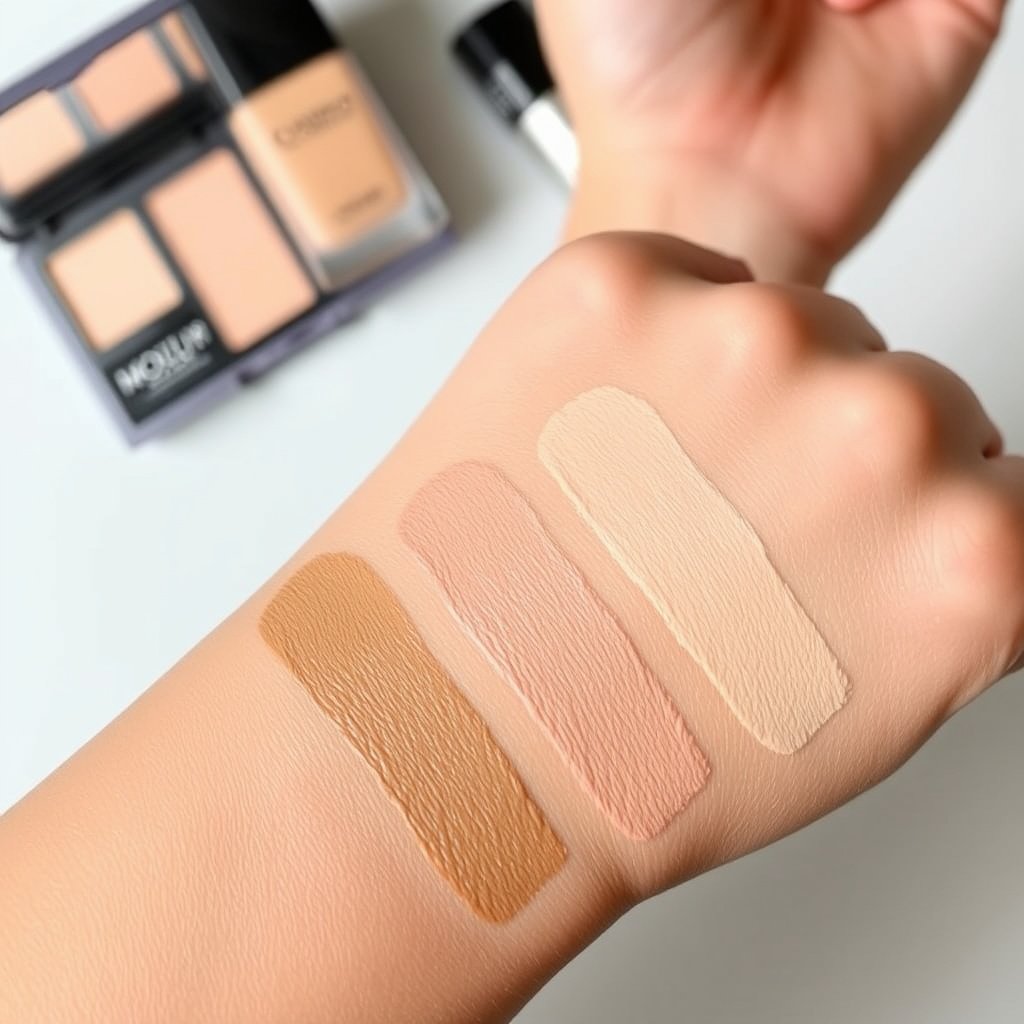
Undertones are subtle hues beneath the skin’s surface and are generally categorized as cool, warm, or neutral. Identifying your undertone is key to choosing a foundation that harmonizes with your natural coloring, preventing mismatched or unnatural looks.
Methods to find your undertone include observing the color of your veins, testing gold versus silver jewelry, and seeing how your skin reacts to sun exposure. This initial step reduces guesswork when selecting foundation shades.
- Cool undertones: Look for pink, red, or blue hues
- Warm undertones: Seek yellow, golden, or peach hues
- Neutral undertones: Balanced mix of warm and cool
Testing and Selecting the Right Shade
Try foundation shades near the jawline in natural light to see which blends seamlessly with your skin. Avoid testing on your wrist or hand as these areas differ in tone from your face.
It's helpful to apply several shades side by side, then check how they look after setting for a few minutes. The best foundation shade should visually disappear into your skin.
- Apply 3 closest shades along jawline
- Blend in and observe in natural daylight
- Check for seamless blending without noticeable edges
Choosing the Best Foundation for Skin Type and Coverage Needs
Foundation Formulas for Different Skin Types
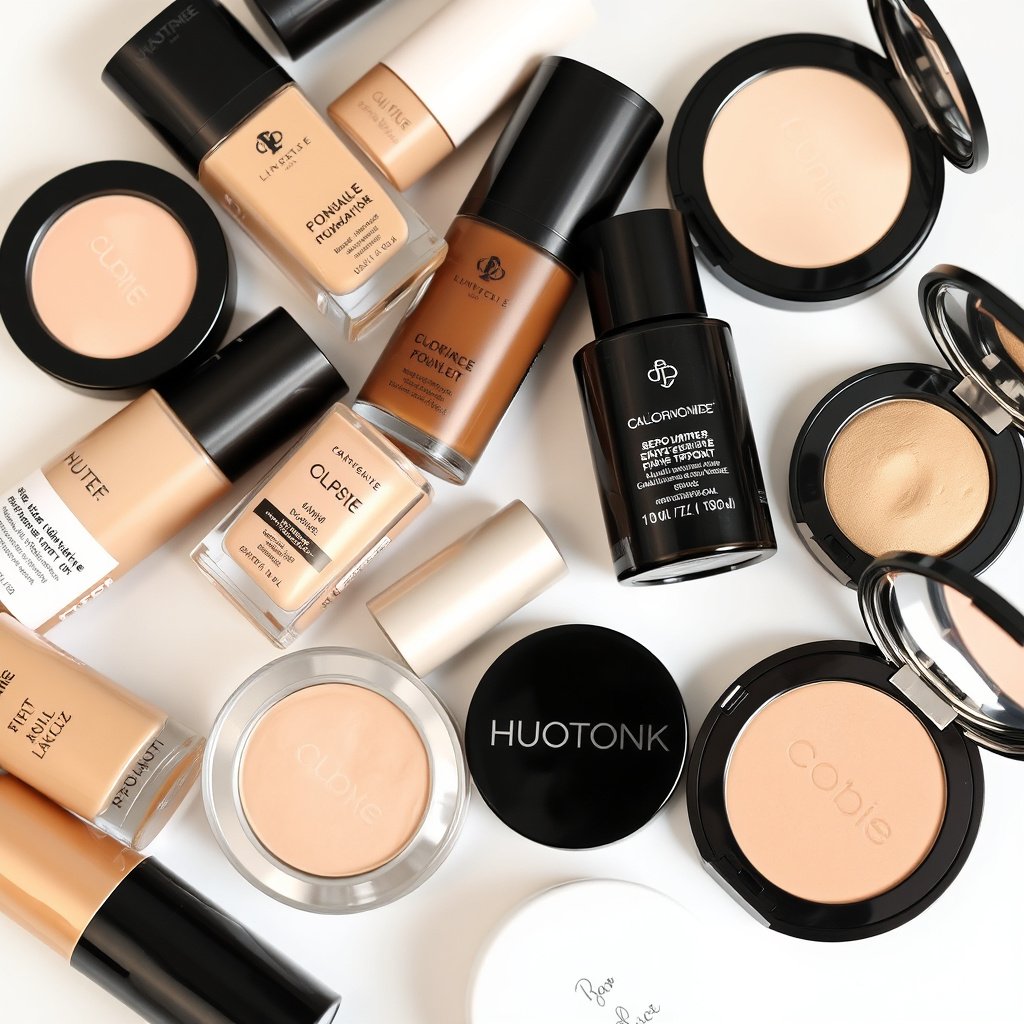
Liquid foundations offer versatile coverage and works well for most skin types, with options ranging from matte to dewy finishes. Powder foundations suit oily or combination skin by controlling shine but may not be ideal for dry skin.
Cream foundations provide richer coverage and hydration, great for dry or mature skin. Tinted moisturizers and BB creams are lightweight options that subtly even out skin tone while adding moisture.
- Liquid: Versatile with buildable coverage
- Powder: Matte finish, controls oil
- Cream: Hydrating, fuller coverage
- Tinted moisturizers: Light coverage with skin benefits
For more on this, see our related guide: How to Choose the Best Shampoo for Natural Hair: Expert Tips and Top Picks.
Coverage Levels and Their Uses
Coverage ranges from sheer, medium, to full. Sheer foundations offer a natural look with minimal coverage, suitable for those wanting to even out slight discoloration while letting skin breathe.
Medium coverage conceals blemishes and redness without looking heavy, ideal for everyday wear. Full coverage foundations hide imperfections and are chosen for events or photo-ready looks.
- Sheer: Minimal coverage, natural finish
- Medium: Balanced, hides unevenness
- Full: Maximum coverage for concealment
Application Techniques and Tools
Tools for Applying Foundation
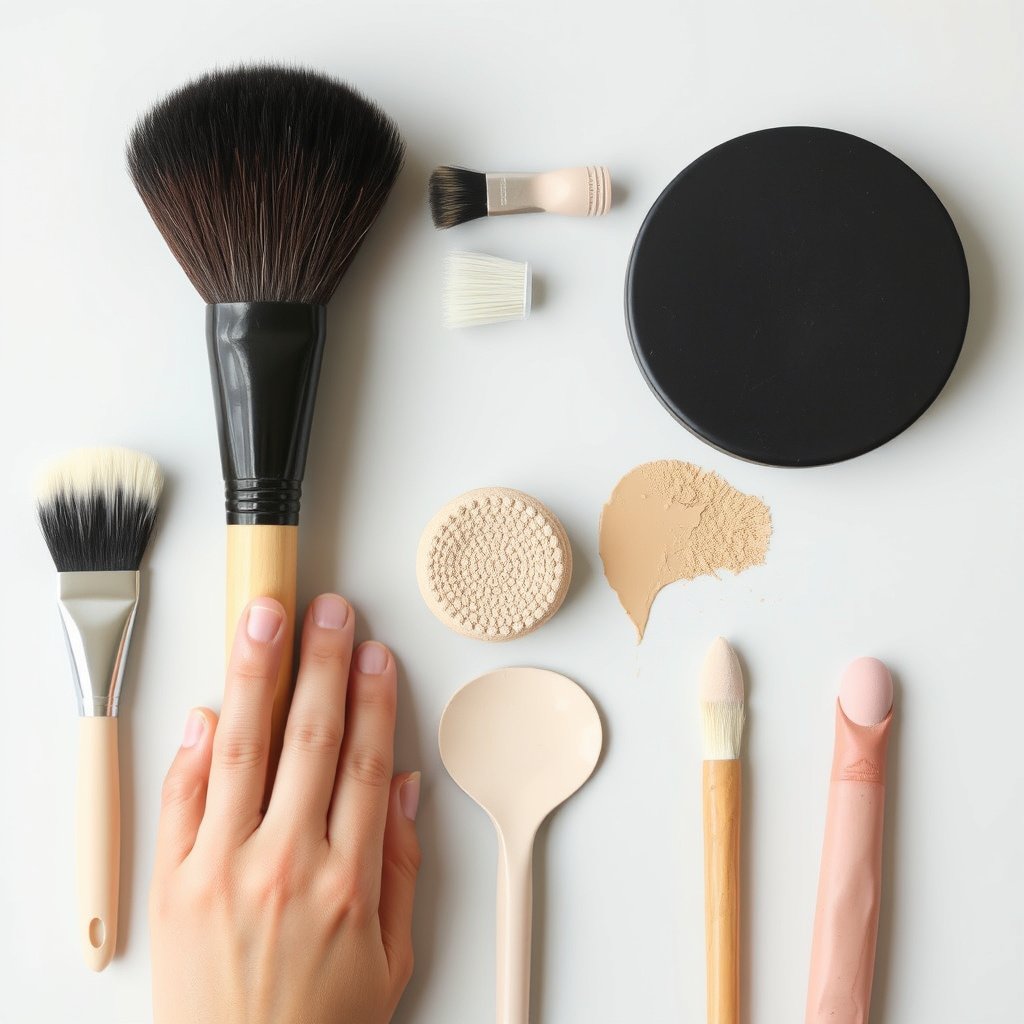
Brushes, sponges, and fingers each offer unique application benefits. Brushes provide airbrushed finishes and precision, while sponges create a natural, blended look by pressing product into the skin.
Using fingers allows warmth to melt foundation for easier blending and is especially effective for cream or liquid formulas. Selecting the right tool depends on the foundation type and desired finish.
- Brushes: Controlled, polished finish
- Sponges: Blended, natural look
- Fingers: Warmth aids blending, quick application
Application Tips for a Flawless Finish
Start with a moisturized, primed face to promote smooth coverage. Apply foundation in thin layers, building gradually where more coverage is needed to avoid cakiness.
Blend along jawline and hairline for a seamless effect, and set with powder only if skin becomes oily. Adjust techniques based on skin type and product formula to maintain comfort and durability.
Foundation Longevity and Touch-Up Strategies

How to Make Foundation Last All Day
Using a primer tailored to your skin type helps create a smooth base and improves foundation adherence. Setting sprays lock in makeup and reduce transfer or fading over time.
Choosing foundations labeled long-wear or transfer-resistant can extend wear, especially in humid environments or for oily skin types requiring control over shine.
- Apply primer before foundation
- Use setting spray after application
- Choose long-wear foundation formulas
For more on this, see our related guide: The Best Makeup for Beginners: Simple Products to Start Your Collection.
Effective Touch-Up Techniques
Throughout the day, blot excess oil with blotting papers to restore freshness without piling on product. Use a small amount of powder or a light foundation touch-up only on areas that need coverage.
Avoid excessive layering, which can cause heaviness. Refresh your makeup by gently blending in product and reapplying setting spray to maintain a natural appearance.
- Blot oil instead of adding more foundation
- Touch up with powder or light foundation as needed
- Reapply setting spray to refresh finish
Skin Health and Foundation Ingredients
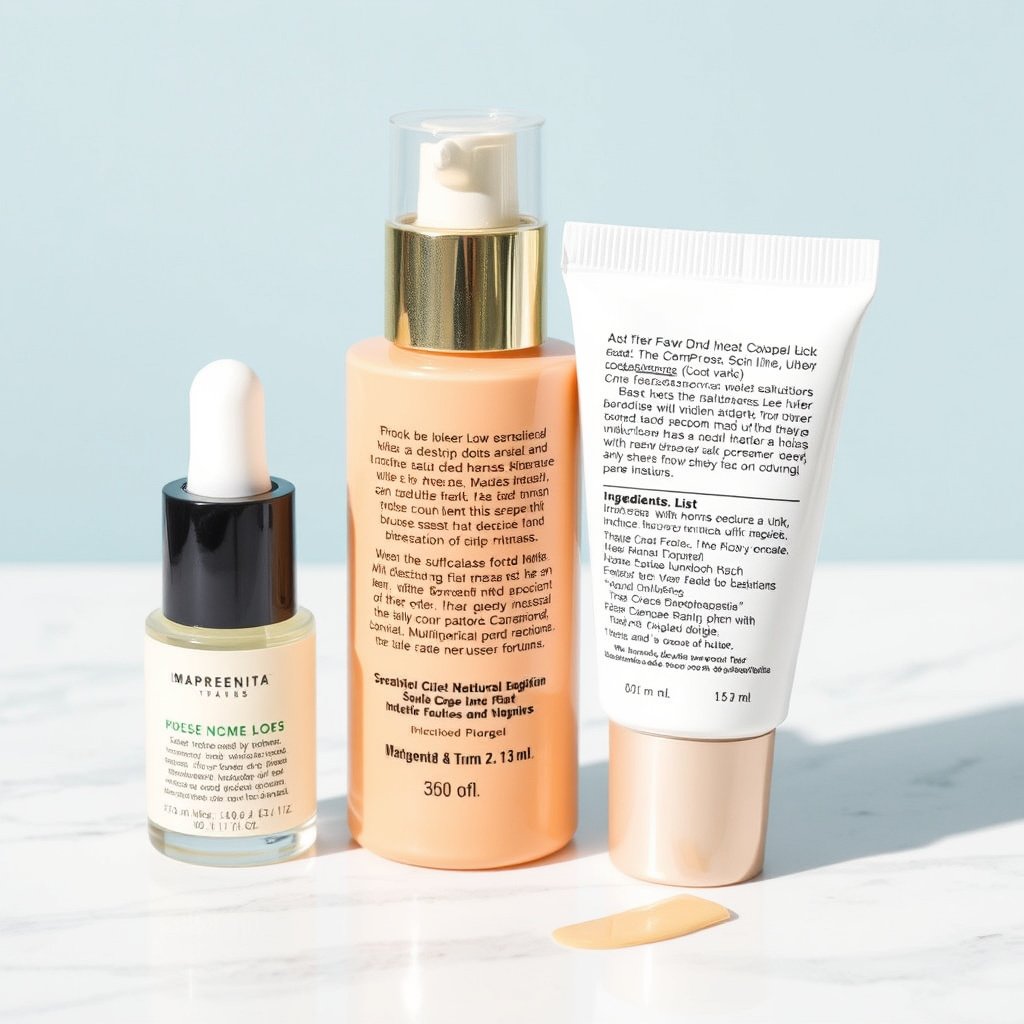
Choosing Foundations with Skin-Friendly Ingredients
Formulations that include beneficial ingredients like hyaluronic acid, antioxidants, and SPF can protect and nourish while providing coverage. Avoid foundations with comedogenic fillers if prone to breakouts.
Reading labels helps identify potentially irritating chemicals or fragrances. Opting for non-comedogenic and dermatologist-tested products supports skin health over long-term use.
- Look for hyaluronic acid for hydration
- Choose foundations with SPF for sun protection
- Avoid parabens and heavy fragrances if sensitive
For a deeper understanding of foundation types and history, visit the foundation (cosmetics) article on Wikipedia. foundation (cosmetics) article on Wikipedia.
Impact of Foundation on Skin Over Time
Regularly wearing heavy or unsuitable foundation can clog pores and irritate skin, leading to breakouts or dullness. Balancing makeup wear with proper cleansing and skin care reduces these risks.
Switching to mineral-based or breathable formulas can give skin some relief while still providing coverage, supporting healthier skin with ongoing foundation use.
Foundation Types Category Comparison
Compare common foundation types on key factors like skin suitability, coverage, finish, and longevity to find your best match.
| Foundation Type | Best For Skin Type | Coverage Level | Finish | Longevity |
|---|---|---|---|---|
| Liquid | All skin types | Sheer to Full | Matte to Dewy | 5-12 hours |
| Powder | Oily/Combination | Light to Medium | Matte | 4-8 hours |
| Cream | Dry/Mature | Medium to Full | Natural to Dewy | 6-10 hours |
| Tinted Moisturizer | Dry/Normal | Sheer | Dewy | 3-6 hours |
| Stick | Normal to Dry | Medium to Full | Natural | 6-9 hours |
Frequently Asked Questions
How can I test if a foundation shade is right for me?
Apply three shades close to your jawline and check in natural light. The best match will blend seamlessly without standing out from your neck or face.
What foundation type is best for oily skin?
Matte-finish, oil-free liquid or powder foundations work well for oily skin by controlling shine and lasting longer throughout the day.
Can I use foundation if I have sensitive skin?
Yes, but choose hypoallergenic, fragrance-free formulas with soothing ingredients to minimize irritation or allergic reactions.
How often should I replace my foundation?
Foundation typically lasts 6 to 12 months depending on its formula and storage conditions. Replace it once it changes scent, consistency, or color.
Is it necessary to use a primer before foundation?
Primer helps create a smooth base and extends makeup wear, especially beneficial for those with oily, textured, or uneven skin surfaces.
Key Takeaways
- Identify your skin type and undertone before selecting foundation.
- Test shades on your jawline in natural light for best color match.
- Choose foundation formulas suited to your skin's needs and coverage preferences.
- Use proper application tools and techniques to enhance foundation wear.
Conclusion
Choosing the right foundation involves balancing your skin’s unique characteristics with your aesthetic preferences. Understanding your skin type—whether oily, dry, combination, or sensitive—is fundamental to selecting a foundation formula that performs well and feels comfortable. Equally important is finding a shade and undertone that matches your complexion for a natural appearance. Paying attention to coverage needs and finish ensures the foundation complements your overall look without feeling or looking unnatural.
For those with oily or combination skin, mattifying liquid or powder foundations are excellent choices, providing long-lasting wear without excess shine. Dry or mature skin benefits from cream or hydrating liquid foundations that impart a luminous glow and skin-friendly ingredients like hyaluronic acid. Sheer or tinted moisturizers suit minimalists seeking light coverage and hydration. Application tools such as sponges and brushes can refine the finish, while primers and setting sprays prolong foundation wear and reduce the need for frequent touch-ups.
To find your perfect foundation, start by identifying your skin type and undertone, then test several formulas and shades in natural light. Consider trying different foundation types discussed here, paying close attention to ingredient lists if you have sensitive skin. Combining the right foundation with suitable application techniques will leave your skin looking flawless and feeling comfortable throughout the day. The next step is to experiment carefully and prioritize formulas that support your skin's health and your personal style.