How to Do a Twist Out: Step-by-Step Guide for Defined Natural Curls
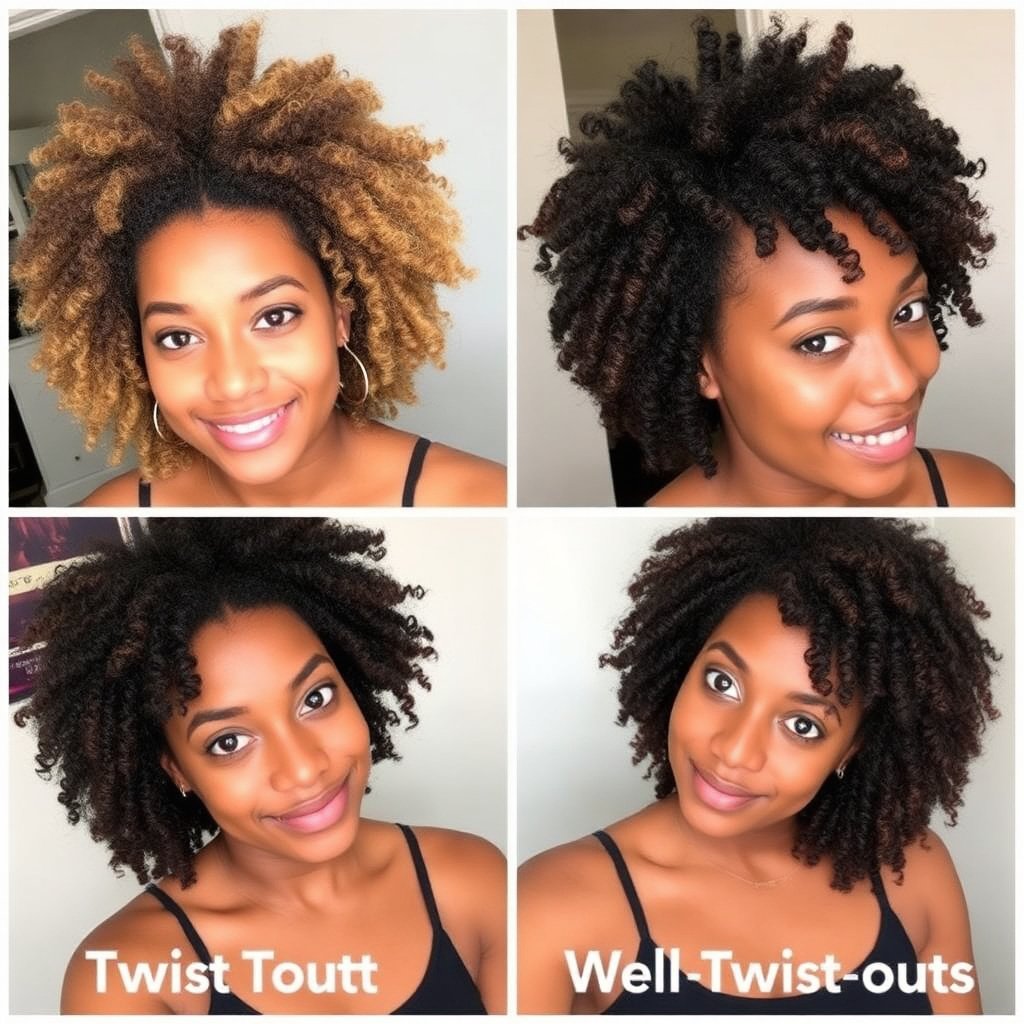
A twist out is a simple styling technique that helps define natural curls and adds texture without heat damage. To do a twist out, start with clean, damp hair, section it, apply a styling product, twist each section tightly, allow the hair to dry completely, then gently unravel the twists to reveal defined, bouncy curls.
This method works well for all hair types but is especially popular among those with curly or coily textures looking to enhance curl definition. Since it involves twisting the hair instead of using heat, a twist out helps maintain moisture and prevents breakage, making it a healthy styling option.
In this article, you'll find detailed instructions on how to prep your hair, techniques for twisting, tips on drying, and advice on maintenance and styling. We'll also cover common mistakes and suggest products to enhance your results.
Preparing Hair for a Successful Twist Out

Cleansing and Conditioning
Start with freshly washed hair using a gentle shampoo to remove buildup without stripping natural oils. Follow up with a moisturizing conditioner to soften the strands, making detangling and twisting easier.
Use a wide-tooth comb or fingers to detangle your hair gently while the conditioner is still in place to reduce breakage and prevent knots.
- Use sulfate-free shampoo for moisture retention
- Apply rich conditioner focusing on ends
- Detangle carefully to avoid damage
Moisturizing and Detangling
After rinsing out the conditioner, incorporate a leave-in conditioner or moisturizing cream to keep the hair hydrated during the styling process. Moisture helps curls clump together, enhancing definition.
Detangle once more using a wide-tooth comb or your fingers to ensure the hair is smooth and ready for twisting.
- Choose a leave-in suited for your hair porosity
- Detangle in small sections for better control
Step-by-Step Twisting Methods for a Twist Out

Two-Strand Twists
Divide your hair into manageable sections based on your desired twist size. Take two strands from each section, twist them around each other from root to tip steadily and tightly to hold the pattern.
Secure the ends with a small amount of styling gel or cream to prevent unraveling if needed. Consistency in twist tightness will affect the final curl definition.
- Sections size affects curl tightness
- Tight twists result in more defined curls
Flat Twists and Other Variations
Flat twists involve twisting hair closer to the scalp, incorporating new hair as you progress, resulting in a flatter, more uniform curl pattern with less volume than traditional twists.
Other styles include multi-strand twists or finger coils, which can alter the texture and pattern of the twist out to achieve different looks.
- Flat twists create a sleek base with defined curls
- Experiment with twist sizes for varied texture
Drying Techniques to Preserve Curl Definition

Air Drying
Allow your twists to air dry fully to minimize heat damage and maintain moisture. Depending on hair thickness, this can take several hours or overnight.
Avoid touching or disturbing the twists during drying to preserve the curl pattern and reduce frizz.
- Place a satin scarf or bonnet on to keep twists neat
- Patience is key for fully dry curls
For more on this, see our related guide: Services Offered by Kelly’s Dominican Hair Salon Matthews: A Complete Guide.
Using Heat for Faster Drying
If you’re short on time, use a hooded dryer or a blow dryer with a diffuser attachment set to low heat and speed to dry the twists gently.
Be aware that excessive heat can dry out hair and reduce definition, so limit frequency and always use a heat protectant if opting for heat.
- Use low heat settings to protect hair health
- Heat drying speeds up process but less natural
Unraveling Your Twist Out for Maximum Definition

Best Practices When Untwisting
Ensure your twists are completely dry before unraveling; untwisting damp hair risks frizz and uneven definition.
Gently separate each twist using your fingers from the ends upward, avoiding combs or brushes which can cause frizz.
- Untwist slowly for clean curls
- Separate curls only as much as desired
Adding Volume Without Disrupting Curls
Use a pick or fingers at the roots cautiously to lift and add volume while maintaining twist out shape.
Avoid over-manipulation which can cause frizz or disrupt clumped curls formed by the twists.
- Lift roots gently for natural volume
- Do not excessively fluff to preserve pattern
Maintaining Your Twist Out for Longer Wear

Nighttime Protection
Wrap your hair with a satin or silk scarf or use a satin bonnet to reduce friction and prevent frizz while sleeping, keeping curls intact.
You can also pineapple your hair by loosely securing it on top of your head to maintain volume and definition overnight.
- Satin materials prevent moisture loss
- Avoid cotton pillowcases which cause friction
For more on this, see our related guide: Do Wigs Damage Your Hair? The Complete Answer.
Refreshing the Style
Use a water spray mixed with leave-in conditioner or a lightweight oil to revive curls and reduce frizz on non-wash days.
Lightly retwist sections that become loose to extend the life of your twist out without a full restyle.
- Avoid heavy products that weigh curls down
- Refresh only areas that need it to maintain longevity
Common Mistakes to Avoid When Doing a Twist Out
Overtwisting or Loose Twists
Twisting hair too loosely can result in less defined curls and increased frizz, while overtwisting may stress hair roots causing breakage.
Finding a balanced tension during twisting is important for a healthy and cosmetically pleasing twist out.
- Avoid pulling hair too tightly at roots
- Ensure twists are secure but not strained
For more detailed information on natural hair benefits and care, you can explore natural hair styling techniques. natural hair styling techniques.
Untwisting While Hair is Damp
Removing twists before hair is fully dry often leads to frizz and incomplete curl definition, diminishing the smooth twist out look.
Always confirm hair is 100% dry before undoing twists for best results.
- Patience during drying improves outcome
- Use a timer or check strands for dryness
Twist Out Styles Category Comparison
Here’s how various twist out styles differ in ease, curl definition, and ideal hair types to help you find the best fit.
| Style | Ease of Twisting | Curl Definition | Best Hair Type | Drying Time |
|---|---|---|---|---|
| Two-Strand Twists | Medium | High | Curly to Coily | 6-8 hours (air dry) |
| Flat Twists | Medium | Medium | Curly to Coily | 5-7 hours (air or hooded dryer) |
| Finger Coils | Hard | Very High | Curly | 4-6 hours (air dry) |
| Multi-Strand Twists | Hard | Very High | Kinky Coily | 6-8 hours (air dry) |
| Comb Twists | Easy | Medium | Loose Curly | 3-5 hours (air dry) |
Frequently Asked Questions
Can I do a twist out on dry hair?
Twist outs work best on damp, freshly moisturized hair to ensure the twists set with definition. Doing a twist out on dry hair often leads to frizz and less curl definition.
How often should I do a twist out?
Many prefer to do a twist out every 5-7 days to maintain healthy hair and prevent buildup. Overdoing it can cause stress to the hair and scalp.
What products work best for a twist out?
Moisturizing creams, leave-in conditioners, and light gels help hold twists without stiffness. Avoid heavy products that cause buildup or weigh curls down.
How can I reduce frizz in my twist out?
Ensure hair is fully dry before unraveling twists, use a satin bonnet at night, and avoid manipulating curls excessively to minimize frizz.
Can twist outs cause hair damage?
If done gently with proper moisturizing and avoiding excessive tension, twist outs do not damage hair. Over-twisting or pulling at roots can cause breakage.
Key Takeaways
- Start with clean, moisturized hair for best twist out results
- Two-strand twists are the most common method for defined curls
- Dry hair completely before unraveling to avoid frizz
- Protect twist outs overnight with satin materials to maintain style
Conclusion
Executing a twist out combines proper hair preparation, twisting technique, and drying methods to achieve beautifully defined natural curls. The process starts with well-moisturized, detangled hair and continues through careful sectioning and twisting at consistent tension. Drying fully without disturbance preserves the curl pattern, while gentle unraveling reveals the defined texture. Protecting the style and refreshing selectively allows your twist out to last longer without losing definition or causing damage. This approach prioritizes healthy hair maintenance while offering versatile styling options.
For those who favor a classic look with strong curl definition, two-strand twists are ideal, providing a balance between ease and aesthetic. Flat twists suit those looking for a sleeker base with reduced volume, while intricate styles like multi-strand or finger coils yield more detailed curl patterns for the adventurous. Whichever you choose, moisturizing products and drying techniques are vital for enhancing definition and longevity. Experimenting with hair sections and twist sizes can customize your twist out to match your desired volume and curl tightness.
To start, gather hydrating shampoos, a good leave-in conditioner, and a styling cream suited to your hair texture. Follow the outlined twisting and drying steps, paying special attention to not unravel until dry. Wearing a satin bonnet overnight and refreshing with light sprays can amplify the durability of your style. The twist out is a rewarding natural hair technique that celebrates curl pattern variety while minimizing damage, making it a go-to for many seeking simplicity and beauty in daily styling.