How to Deep Clean Locs: A Complete Guide for Healthy, Fresh Dreadlocks
Deep cleaning locs involves thoroughly washing your dreadlocks with residue-free shampoo, followed by rinsing and drying techniques that remove buildup and maintain scalp health. This process removes oils, dirt, dead skin cells, and product residue that can accumulate in locs and lead to itching or odor.
Locs require special care because their tight, matted texture traps debris more easily than loose hair. Without deep cleaning, buildup can cause your scalp to become irritated and weaken your locs' integrity over time. Maintaining a deep cleaning routine every few weeks can extend your locs’ lifespan and keep them looking fresh.
This article covers step-by-step instructions for deep cleaning locs, product recommendations including the best shampoo for locs, drying methods to prevent mildew, and common mistakes to avoid. By the end, you'll have a clear routine to refresh your locs and scalp safely and effectively.
Preparing for a Deep Clean Locs Session
Selecting the Right Shampoo for Locs
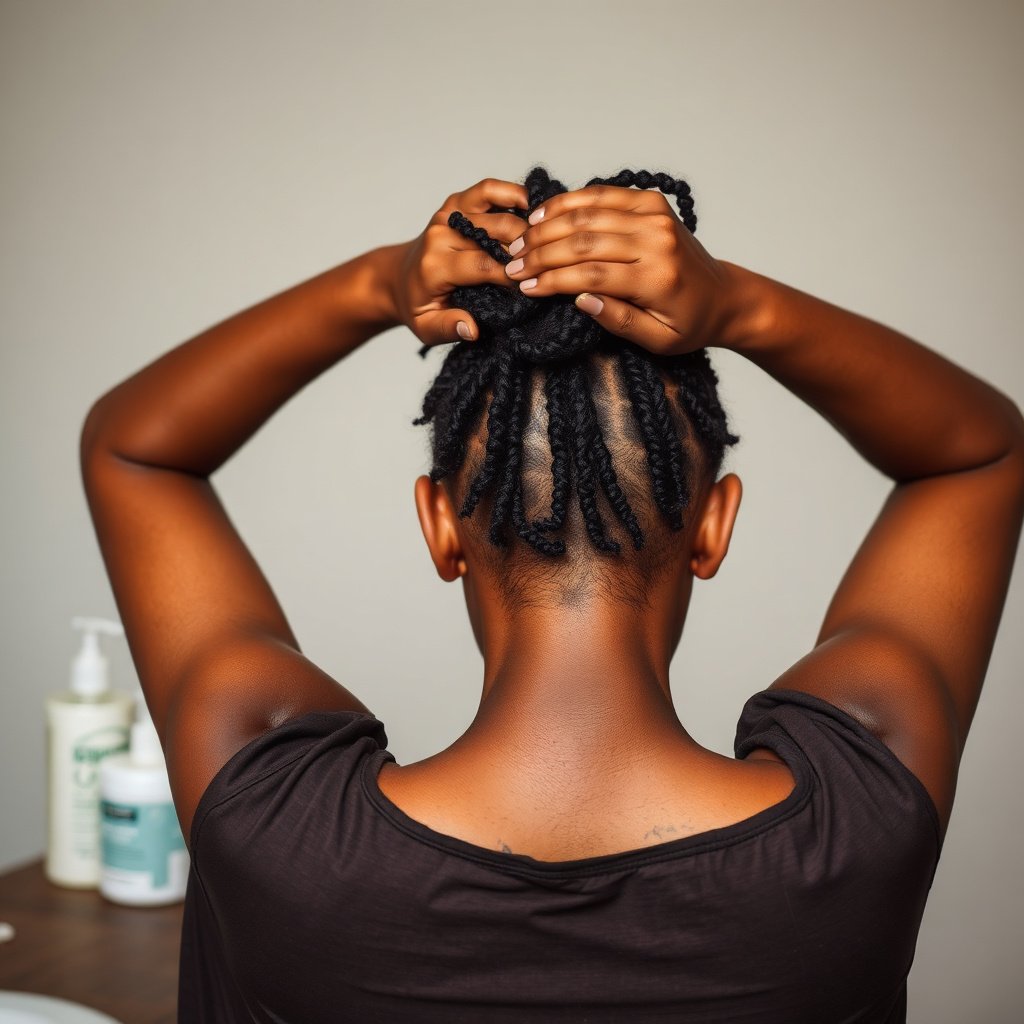
Choosing the best shampoo for locs means selecting a residue-free, clarifying shampoo that won't leave behind buildup or strip your hair excessively. Sulfate-free shampoos designed specifically for dreadlocks or natural hair are gentler on the scalp but still powerful enough to remove dirt and oils.
Look for shampoos with natural ingredients like tea tree oil, peppermint, or eucalyptus that can soothe the scalp while cleansing. Avoid heavy conditioners or moisturizing shampoos during deep cleans, as they can leave residues that slow loc maturation or cause buildup.
- Sulfate-free organic clarifying shampoos
- Tea tree or peppermint oil-infused formulas
- Avoid creamy, conditioner-like shampoos during deep cleans
Gathering Tools and Setting Up Your Space
Before starting the deep clean, prepare a shower or washing area with easy drainage and good lighting. Gather microfiber towels, a wide-tooth comb (for any sections that need detangling), and clips for sectioning your hair.
Using microfiber towels helps absorb water better and reduce friction that can cause frizz. Have an old T-shirt handy for scalp patting as well. Make sure you have enough time without interruptions since drying locs thoroughly can take several hours.
- Microfiber towels to reduce frizz
- Wide-tooth comb for minimal detangling
- Hair clips for sectioning
- Old cotton T-shirt for gentle drying
Step-by-Step Guide to Deep Clean Locs
Washing Technique for Residue Removal
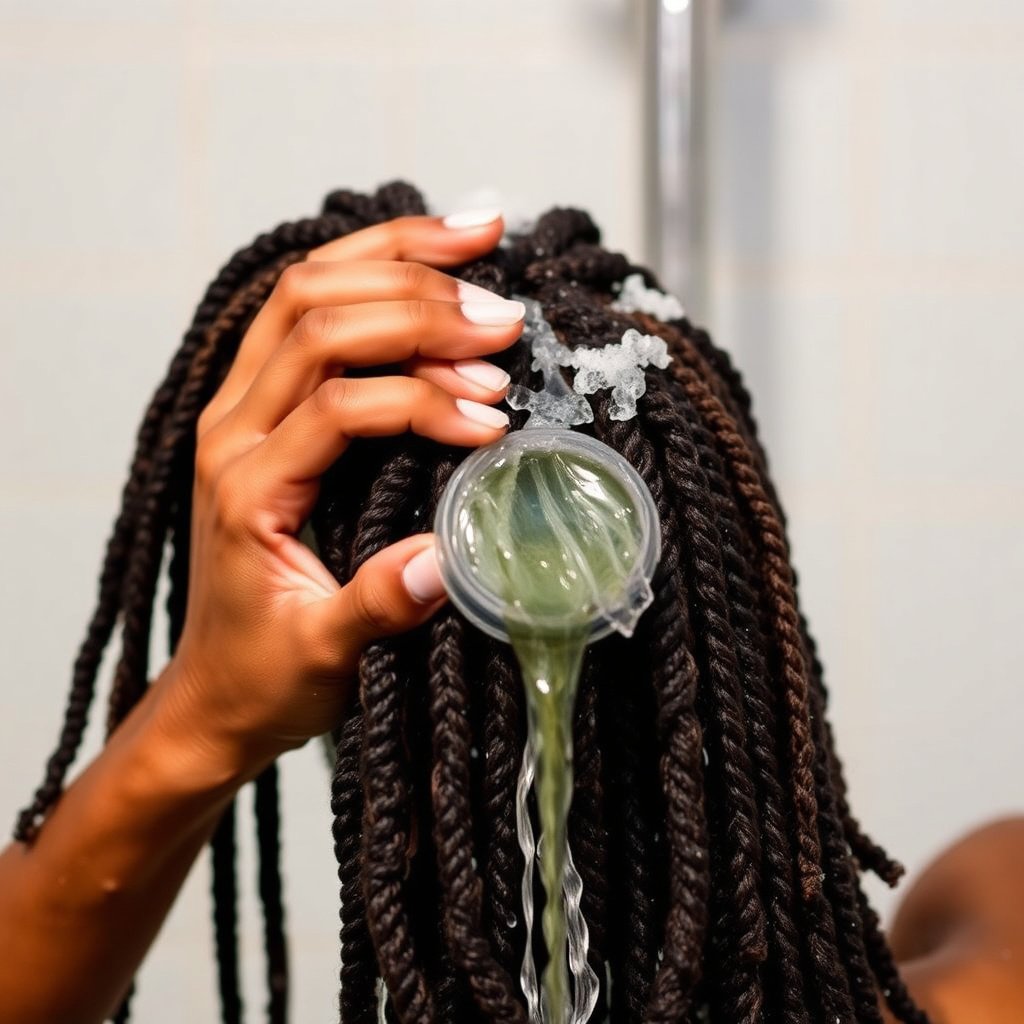
Start by thoroughly wetting your locs with warm water to open the hair cuticles. Apply small amounts of your chosen shampoo to your scalp and gently massage using your fingertips. Work shampoo down the length of each loc, squeezing gently to cleanse the trapped buildup without rough friction.
Avoid rubbing locs aggressively, as this can lead to fraying or unraveling. Rinse thoroughly between each shampoo application if doing multiple rounds. This technique concentrates on dissolving oils and product residues without disturbing loc formation.
- Wet locs with warm water first
- Massage shampoo gently onto scalp with fingertips
- Squeeze shampoo down each loc gently
- Rinse thoroughly to avoid residue
For more on this, see our related guide: Your Guide to Butterfly Locs Crochet Hair: Choosing With Confidence.
Rinsing and Scalp Care After Washing
After the final rinse, use cold water to help close the hair cuticles and lock in moisture. Paying attention to the scalp is key—massage lightly to stimulate blood flow and soothe any irritation. Avoid using harsh chemicals or heavy oils immediately after washing to prevent buildup.
For extra scalp freshness, you can apply a diluted, natural scalp toner with witch hazel or add a few drops of essential oils to water and mist lightly. This step helps maintain cleanliness and reduce itching.
- Rinse with cool water at the end
- Lightly massage scalp after rinsing
- Use natural scalp toners or diluted essential oils
Drying Methods to Protect Locs After Deep Cleaning

Towel and Air Drying Techniques
After washing, gently squeeze excess water from your locs without twisting them to avoid weakening. Wrap your hair loosely in a microfiber towel or an old T-shirt to absorb moisture while preventing frizz. Avoid rough terry cloth towels that increase friction.
Air drying is the safest method to preserve loc integrity. Allow your hair to dry completely, which can take anywhere from several hours to overnight depending on thickness. Keeping your locs damp for long can cause mildew, so patience is key.
- Use microfiber towel or cotton T-shirt to dry
- Avoid twisting or wringing locs
- Allow locs to air dry completely
Use of Blow Dryers and Heat
If you need to speed up drying, use a blow dryer on a low heat setting with a diffuser attachment to minimize frizz and heat damage. Keep the dryer moving and do not focus heat on one spot for too long to protect the hair and scalp.
Heat can compromise locs' structure if overused, so relying on air drying mainly and using heat sparingly is recommended. Alternatively, sitting in a well-ventilated, warm space can help your locs dry faster without applying artificial heat.
- Use blow dryer on low heat and diffuser attachment
- Keep the dryer moving to avoid heat damage
- Prefer air drying whenever possible
Common Mistakes to Avoid When Deep Cleaning Locs

Using Heavy Products That Cause Buildup
Applying heavy moisturizers, conditioners, or oils right after deep cleaning can trap residue in locs, causing them to become dull and smelly. These products also complicate future washing and slow down the natural locking process.
Stick to lightweight, water-based products if needed, and always avoid creamy conditioners during deep cleaning sessions. This habit helps maintain cleanliness and longevity of your locs.
- Avoid creamy conditioners post-wash
- Use light water-based moisture products only
- Skip heavy oils immediately after cleaning
For more on this, see our related guide: Distressed Locs Guide: What to Know Before You Buy.
Over-Washing or Rough Handling
Deep cleaning locs too frequently can over-strip natural oils, leading to dryness and breakage. Similarly, vigorous scrubbing or twisting during washing damages locs and may cause premature loosening or thinning.
Stick to a deep cleaning schedule of every 3 to 4 weeks and handle your locs with gentle care during wash and dry routines to maintain their strength and appearance.
- Limit deep cleaning to every 3-4 weeks
- Avoid rough scrubbing or twisting
- Handle locs gently throughout
Maintaining Locs Between Deep Cleans
Daily Scalp and Loc Hygiene
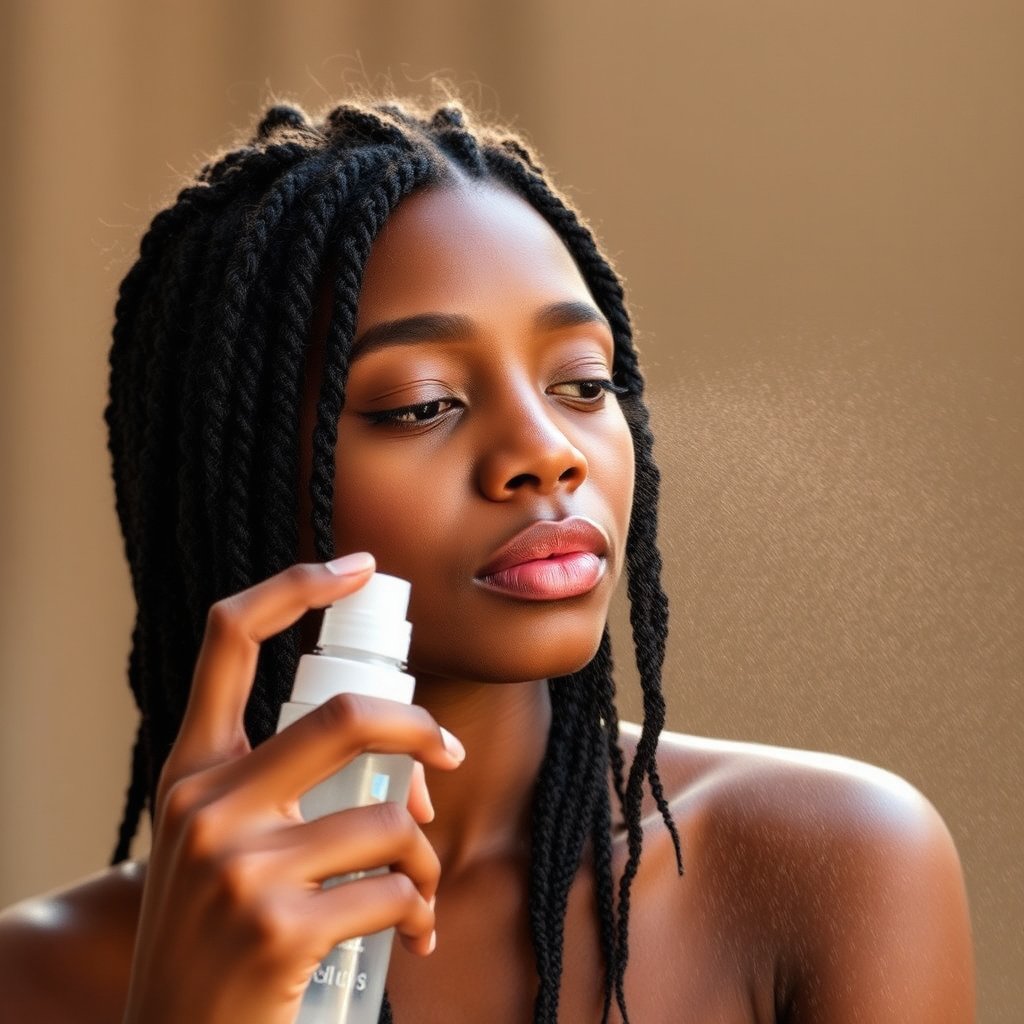
Between deep cleans, keep your scalp moisturized and refreshed using water-based sprays or diluted essential oil mists. Avoid heavy products that clog locs and opt for gentle scalp massages to increase circulation and reduce flakiness.
If sweat or environmental debris build up, rinse your scalp lightly without shampooing to minimize dryness. These habits help prolong the time between deep cleaning sessions without sacrificing scalp health.
For broader context on the history and care of dreadlocks, you can visit the Dreadlocks information on Wikipedia. Dreadlocks information on Wikipedia.
Regular Retwisting and Loc Maintenance
Retwisting loose roots regularly prevents locs from matting together unevenly but avoid over-tightening which stresses hair follicles. Use natural loc gels or locking creams sparingly for hold and nourishment without buildup.
Maintaining neat and healthy locs includes palm rolling or interlocking approaches as preferred, but ensure your hair is clean and dry before these sessions to prevent trapping moisture.
Deep Cleaning Locs: Shampoo Type Comparison
Here’s a quick comparison of different shampoo types suited for deep cleaning locs, highlighting their benefits, downsides, and suitability for various hair types.
| Shampoo Type | Pros | Cons | Best For |
|---|---|---|---|
| Residue-Free Clarifying Shampoo | Removes buildup effectively, sulfate-free | Can dry hair if overused | Most loc types, especially mature locs |
| Organic Tea Tree/Peppermint Shampoo | Soothes scalp, natural antifungal properties | Mild scent may not suit everyone | Sensitive scalps, scalp inflammation |
| Sulfate-Free Moisturizing Shampoo | Gentle, maintains moisture balance | May leave some residue | Dry, brittle locs needing extra hydration |
| Anti-Dandruff Shampoo for Locs | Controls flakes and itch | Stronger chemicals can dry hair | Locs with scalp flaking or seborrheic dermatitis |
Frequently Asked Questions
How often should I deep clean my locs?
Deep cleaning locs every 3 to 4 weeks is generally recommended to remove buildup without over-drying the hair and scalp.
Can I use regular shampoo to deep clean my locs?
Regular shampoos often contain heavy conditioners or sulfates that can leave residue in locs. Using a residue-free shampoo made for locs is better to avoid buildup.
Is it safe to use essential oils during deep cleaning?
Yes, diluted essential oils like tea tree or peppermint can soothe the scalp during washing but should be used sparingly to prevent irritation.
How do I know if my locs need a deep clean?
Signs include itchiness, an unpleasant odor, visible product buildup, or a dull appearance. These indicate it’s time for a thorough wash.
What drying method is best after deep cleaning locs?
Air drying is safest to prevent mildew and hair damage, but a blow dryer on low heat with a diffuser can be used if needed.
Key Takeaways
- Use residue-free shampoo specifically formulated for locs to avoid buildup.
- Deep clean locs every 3 to 4 weeks to maintain scalp health and loc freshness.
- Dry locs completely using microfiber towels and air drying to prevent mildew.
- Avoid heavy conditioners and rough handling during deep cleaning sessions.
Conclusion
Deciding how to deep clean locs is a balance between thoroughly removing dirt and buildup while protecting the delicate structure of your dreadlocks. Selecting the right shampoo, washing gently, and drying properly are all parts of a mindful care routine that preserves the health and longevity of locs. Consistency in timing and technique prevents issues like scalp irritation and product residue, key for maintaining clean and fresh locs over time.
For those with mature locs, a residue-free clarifying shampoo works best to cut through accumulated oils while maintaining strength. Sensitive scalps might benefit from organic options containing tea tree or peppermint oils to soothe itching. Using microfiber towels or air drying minimizes damage, avoiding heavy conditioners that cause buildup is crucial. By customizing your approach based on hair texture and scalp needs, you can keep your locs clean and vibrant.
If you want to try deep cleaning locs at home, start by selecting a shampoo designed for dreadlocks, prepare your washing area with appropriate towels and tools, and follow the outlined washing and drying steps carefully. Remember to listen to your scalp and locs for signs they need cleaning but avoid over-washing. Keeping a regular routine and using the recommended products will leave your locs fresh, healthy, and strong.