How to Wash Faux Locs Without Damaging Your Style
Washing faux locs properly involves using gentle shampoo techniques and thorough rinsing to clean your scalp and hair without loosening or frizzing the locs. Start by diluting a sulfate-free shampoo in water, apply mainly at the scalp, and rinse well to remove buildup without disturbing the synthetic or natural hair wrapped around your locs.
Maintaining cleanliness with faux locs is essential because your scalp still produces oils and sweat, which can cause irritation or odor if left unwashed. However, over-washing or aggressive scrubbing can break the protective style and cause frizz or unraveling, making proper washing crucial for preservation.
This article explains step-by-step methods to wash faux locs, including the best products to use, drying techniques to prevent mildew, and additional care tips that help maintain the look and longevity of your faux locs. You'll also find advice on how often you should wash and avoid common mistakes.
Preparing to Wash Faux Locs

Choosing the Right Shampoo for Faux Locs
Selecting a sulfate-free shampoo is important because harsh detergents can strip both natural and synthetic hair fibers, leading to frizz and premature damage. Look for moisturizing formulas with natural oils like tea tree or peppermint that soothe the scalp without leaving residue.
Avoid heavy conditioners at the roots as they can weigh down locs and cause buildup inside. Instead, opt for light leave-in sprays specifically formulated for locs or braids after washing to keep your faux locs feeling fresh and manageable.
- Sulfate-free shampoo
- Moisturizing natural ingredients
- Light leave-in conditioner spray
How Often Should You Wash Faux Locs?
Generally, washing faux locs every 1 to 2 weeks strikes a balance between maintaining cleanliness and avoiding excessive moisture that can loosen the locs. This timing helps maintain faux locs freshness by preventing buildup without accelerating wear.
If you engage in frequent workouts or sweat heavily, it's okay to wash them a bit more often but always dry them thoroughly to prevent mildew and odor. Over-washing can cause fraying and damage to the style, so keep washing intervals moderate.
- Wash every 1 to 2 weeks
- Adjust frequency based on activity levels
- Dry fully after washing
Proper Technique for Washing Faux Locs
Step-by-Step Washing Process
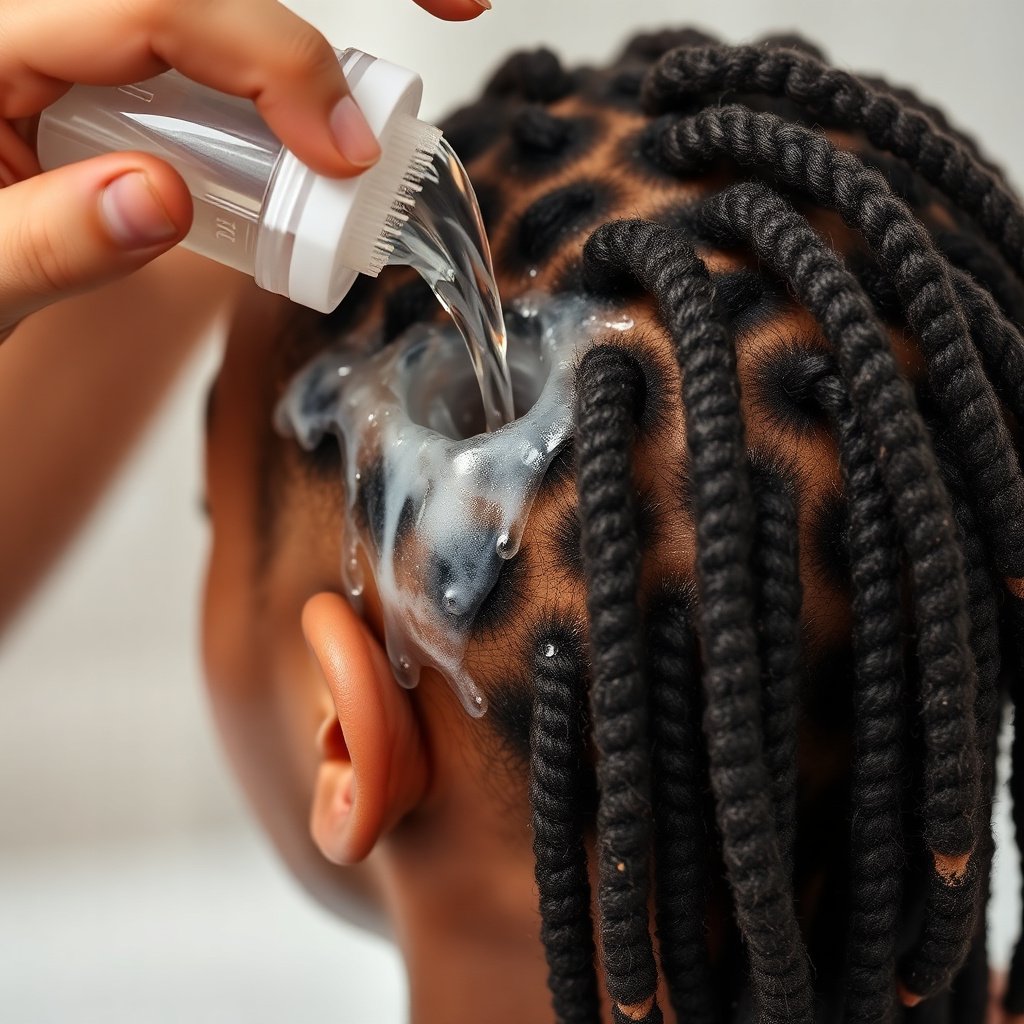
Begin by diluting shampoo with water in an applicator bottle for even distribution. Apply the mixture directly to your scalp, massaging gently with fingertips to remove dirt and sweat without rough rubbing on the locs themselves.
Rinse thoroughly with lukewarm water while tilting your head back to allow water to flow down the lengths of your faux locs. Avoid vigorous squeezing or pulling, which could loosen the bands or wraps holding the locs intact.
- Dilute shampoo before application
- Focus on scalp cleansing
- Rinse with lukewarm water
- Avoid rough handling of locs
For more on this, see our related guide: Your Guide to Butterfly Locs Crochet Hair: Choosing With Confidence.
Drying Faux Locs Safely
After washing, gently squeeze excess water with a microfiber towel or an old t-shirt to prevent frizz. Then let your faux locs air dry completely in a well-ventilated area to prevent mildew growth.
Avoid heavy heat sources like blow dryers because they can melt synthetic fibers or dry out natural hair beneath. Placing the locs under a cool fan or natural sunlight helps speed drying while preserving the style.
- Use microfiber towel or t-shirt for drying
- Air dry in ventilated space
- Avoid heat dryers or direct strong sunlight
Additional Care Tips for Faux Locs Maintenance
Scalp Care and Moisturizing
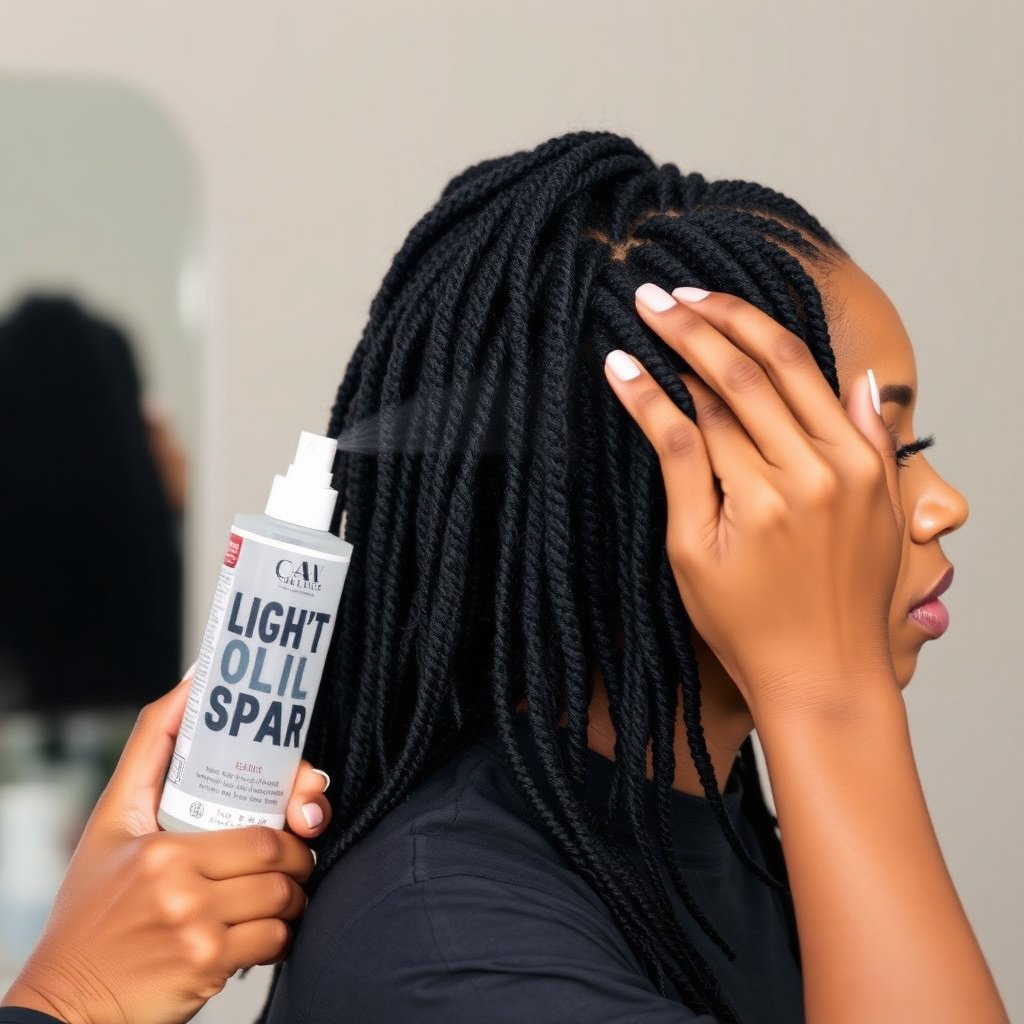
Regular scalp moisturizing is necessary even with faux locs to prevent dryness or itching. Use lightweight oils like jojoba or tea tree oil sparingly, applying them directly to the scalp with a dropper bottle for controlled application.
Avoid heavy creams on the locs themselves as they can cause buildup and attract lint, which is difficult to remove from faux locs. A light mist spray designed for braids can freshen your style while keeping it healthy.
- Lightweight scalp oils
- Avoid heavy creams
- Use braid-specific moisturizing sprays
Sleeping and Protecting Faux Locs
Protect your faux locs at night with a satin or silk bonnet or pillowcase to reduce friction and prevent frizz. Wearing a bonnet preserves the style and helps maintain faux locs freshness by minimizing lint accumulation.
If you prefer, loosely tie your locs into a pineapple or bun to reduce tension and keep their shape while you sleep. These practices extend the life of the style between washes.
- Use satin or silk sleep accessories
- Tie locs loosely at night
- Minimize friction and lint
Common Mistakes When Washing Faux Locs

Over-washing and Its Effects
Over-washing faux locs can strip natural oils and damage synthetic fibers, leading to frizz and unraveling. Avoid washing more than twice a week even if your scalp feels itchy; instead, use dry shampoo or refreshing sprays between washes.
Washing too aggressively with heavy scrubbing or scalp scratching also weakens the locs' structure and diminishes their lifespan.
- Avoid washing more than twice weekly
- Use dry shampoo for quick refresh
- No vigorous scrubbing
For more on this, see our related guide: Your Guide to Faux Locs: Choosing With Confidence.
Using Harsh Products
Harsh shampoos containing sulfates, alcohol, or heavy fragrances can dry your scalp and damage the faux locs. They also increase buildup risk as they can cause the hair fibers to become rough, trapping dirt more easily.
Stick with mild, moisturizing, and residue-free products specifically formulated for braids or locs to keep your style clean, soft, and manageable.
- Avoid sulfates and alcohols
- Choose residue-free shampoos
- Select fragrance-free or light scents
When to Redo or Refresh Faux Locs

Signs Faux Locs Need Refreshing
Visible frizzing, loosening at the roots, or an itchy, flaky scalp despite regular washing indicates it's time to refresh your faux locs. Waiting too long can cause tangling, matting, or damage to the natural hair underneath.
Refresh by rewrapping loose sections and moisturizing the scalp to extend the style’s life and maintain a neat appearance.
- Frizz and looseness at roots
- Persistent scalp dryness
- Visible matting or dirt buildup
For more general background on the style, see the Wikipedia entry on locks hairstyles. Faux locs hair styling.
Professional Maintenance Tips
Visiting a professional stylist regularly for faux locs maintenance can help with deep cleaning, root tightening, and repairing damaged sections. Professionals can also advise on product use tailored to your hair type for healthier, longer-lasting results.
A touch-up every 4 to 6 weeks generally keeps faux locs looking fresh without needing a full redo.
- Regular professional touch-ups
- Deep clean and root maintenance
- Tailored product recommendations
Faux Locs Washing Methods Comparison
This table compares popular washing methods for faux locs, highlighting ease, scalp care, and style preservation.
| Method | Ease of Use | Effectiveness for Scalp Cleaning | Impact on Style Longevity |
|---|---|---|---|
| Diluted Shampoo Application | Moderate | High | Preserves style well |
| Dry Shampoo Between Washes | Easy | Moderate | Good for extending time between washes |
| Co-washing (Conditioner Only) | Moderate | Low to Moderate | May cause buildup if overused |
| Professional Washing and Maintenance | Easy | High | Best for long-term style care |
Frequently Asked Questions
Can I use regular shampoo on faux locs?
Regular shampoos, especially those with sulfates and heavy fragrances, can cause buildup, dryness, and frizz. It’s best to use sulfate-free, moisturizing shampoos designed for braids or locs to preserve your faux locs.
How long does it take for faux locs to dry after washing?
Drying times vary with thickness and length but generally air drying faux locs can take anywhere from 4 to 8 hours. Using a microfiber towel or t-shirt helps speed this up by removing excess moisture.
Is it okay to swim with faux locs?
Swimming occasionally is okay, but chlorine and saltwater can dry out your scalp and locs. Rinse and wash your faux locs thoroughly soon after swimming to minimize damage.
How do I reduce itching while wearing faux locs?
Regular scalp cleansing, moisturizing with light oils like tea tree or jojoba, and avoiding harsh shampoos help reduce itching. Using refreshing scalp sprays between washes can also provide relief.
Can I use a blow dryer on faux locs?
Heavy heat from blow dryers can damage synthetic fibers or dry out natural hair. If needed, use a cool setting or air dry to protect your faux locs.
Key Takeaways
- Use diluted sulfate-free shampoo focusing on the scalp to wash faux locs gently.
- Wash faux locs every 1 to 2 weeks to maintain freshness without causing frizz.
- Air dry completely using a microfiber towel and avoid heat to protect loc structure.
- Moisturize scalp lightly and protect locs at night with satin accessories.
Conclusion
Learning how to wash faux locs without damaging your style is about balancing cleanliness with gentle care. The key is focusing on shampoo application primarily at the scalp and treating the locs delicately to avoid frizz or unraveling. Choosing the right products, such as sulfate-free shampoos and light moisturizers, supports scalp health and maintains your hairstyle's integrity over time. Being mindful of washing frequency and drying methods helps you enjoy beautiful faux locs longer.
If your activity level demands more frequent cleansing, consider supplementing with dry shampoo or refreshing sprays that maintain faux locs freshness while minimizing moisture exposure. For ideal results, washing every one to two weeks works well for most. When frizz or root loosening appears, timed professional maintenance or at-home rewrapping refreshes your style and avoids wear. Sleep protection with satin bonnets and thoughtfully moisturizing the scalp are simple habits that preserve your look and comfort, completing your faux loc care routine.
To keep your faux locs looking their best, begin with gentle shampoo routines using diluted products, rinse carefully, and dry naturally without heat. Incorporate light scalp oils and protective sleepwear to reduce damage and itching. If you notice persistent problems, seek professional advice to maintain both your style and hair health. Regular, mindful washing and care ensure your faux locs stay fresh, flawless, and long-lasting.