How to Take Out Faux Locs Safely and Effectively
Removing faux locs properly is essential to protect your natural hair and scalp from damage during the process. The best method involves gentle unraveling combined with protective techniques to minimize breakage and maintain hair health.
Faux locs are a popular protective style, but taking them out can be tricky if done hastily. Knowing how to remove them carefully matters because improper removal could lead to tangles, hair loss, or weakened strands. Taking your time and using the right tools helps safeguard your natural hair’s integrity.
This article will cover the tools you need, step-by-step removal methods, tips for detangling, how to care for your natural hair post-removal, and common mistakes to avoid when taking out faux locs.
Preparing to Take Out Faux Locs
Essential Tools for Removal
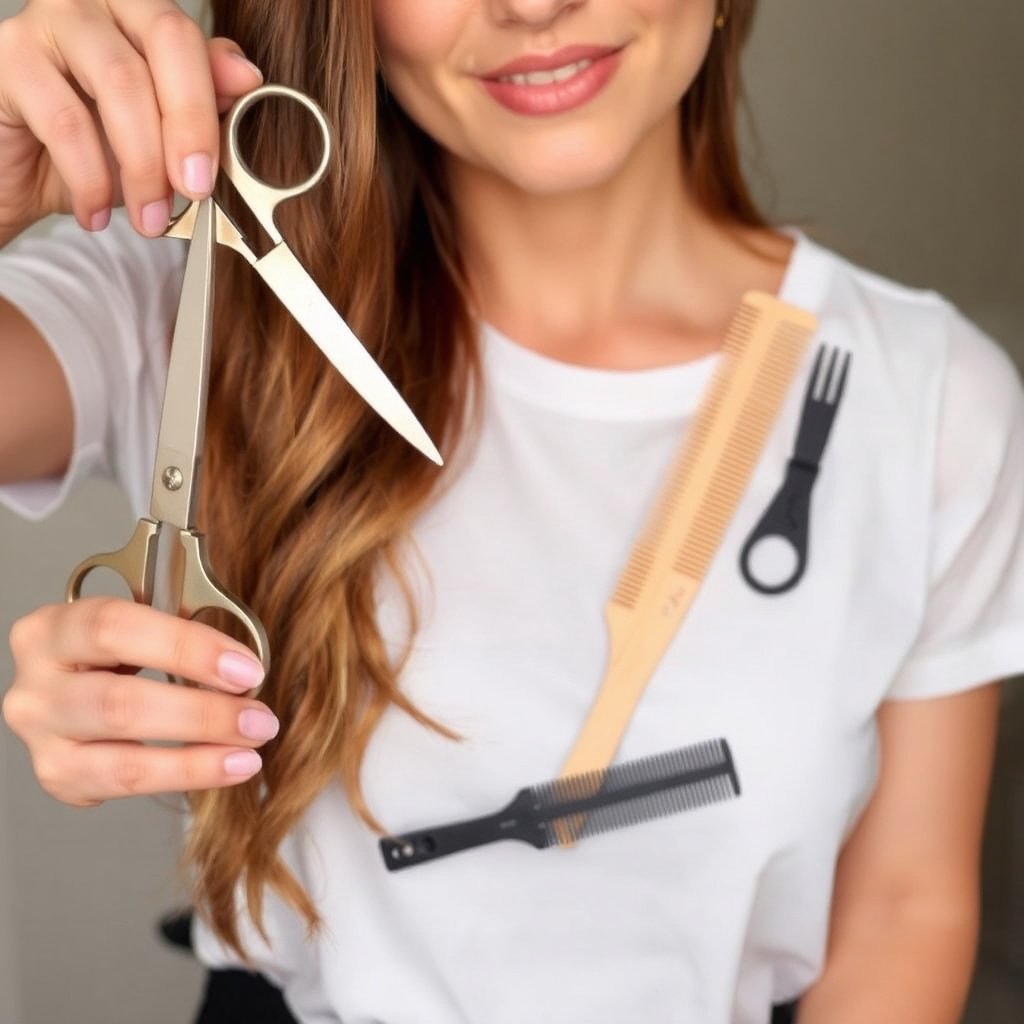
Before starting, gather all necessary tools: small scissors, conditioner or detangling spray, a wide-tooth comb, hair clips to section locs, and a spray bottle with water. These items ensure the process is smooth and reduce the risk of hair damage.
Having scissors ready is important for trimming any knotted or stubborn ends of synthetic hair, but be cautious not to cut your natural strands. A good moisturizing spray or conditioner makes unraveling easier by softening the hair.
- Small scissors for trimming synthetic hair
- Wide-tooth comb for gentle detangling
- Detangling spray or conditioner
- Hair clips for sectioning
- Spray bottle with water
Setting Up Your Workspace
Choose a comfortable, well-lit space with a mirror and a seat where you can spend time without rushing. Have a towel or cloth to catch synthetic hair shedding and avoid mess.
Section your hair into manageable parts using clips. Smaller sections let you focus on untangling each faux loc carefully, preventing frustration and accidental damage.
Step-by-Step Method to Remove Faux Locs
Loosening the Locs Gently
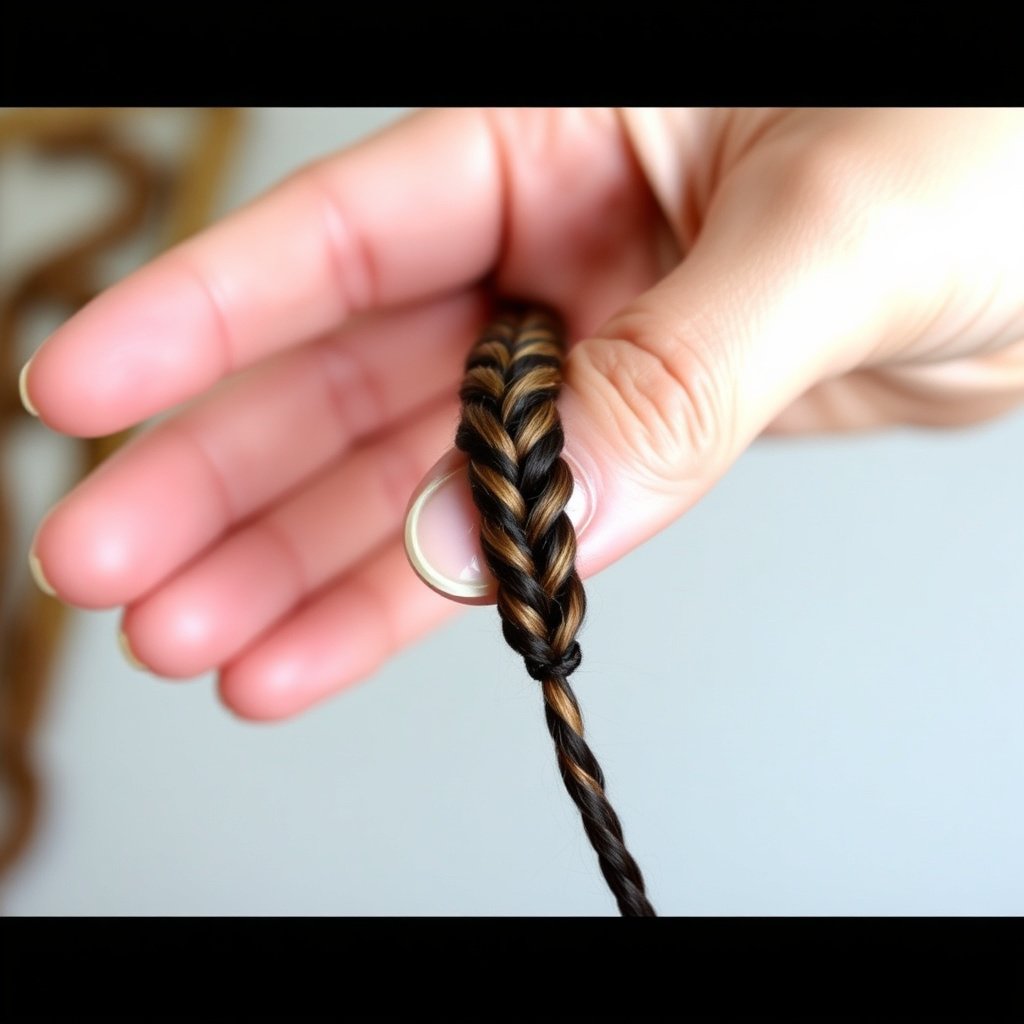
Start by spraying the locs with water or detangling spray to soften the synthetic hair and the natural strands inside. Work on a small section, gently pulling at the ends to loosen the twists.
If you encounter knots or resistance, apply a small amount of conditioner to the area and use your fingers or a wide-tooth comb to carefully work through tangles without forcing the loc to unravel.
- Spray to soften hair
- Avoid pulling too hard
- Use conditioner on knots
Unraveling and Trimming if Needed
Once the loc loosens, begin to unravel it slowly from the ends toward the roots. Trim any synthetic hair that is tightly knotted or won’t come undone easily to prevent pulling on your natural hair.
Keep your natural hair as straight and untangled as possible during this process, using your fingers and comb to separate strands as you work.
- Start unravelling from ends
- Trim synthetic knots carefully
- Separate strands as you go
Detangling and Caring for Natural Hair After Removal

Detangling Techniques
Once all faux locs are out, apply a generous amount of conditioner to your damp hair. Use a wide-tooth comb, starting from the ends and working upward to carefully detangle any remaining knots or matting.
Patience during this step is key — rushing can cause breakage. Repeat applying conditioner and gentle combing until your hair is smooth and free of tangles.
- Use wide-tooth comb
- Work from ends to roots
- Reapply conditioner as needed
For more on this, see our related guide: Your Guide to Butterfly Locs Crochet Hair: Choosing With Confidence.
Moisturizing and Scalp Care
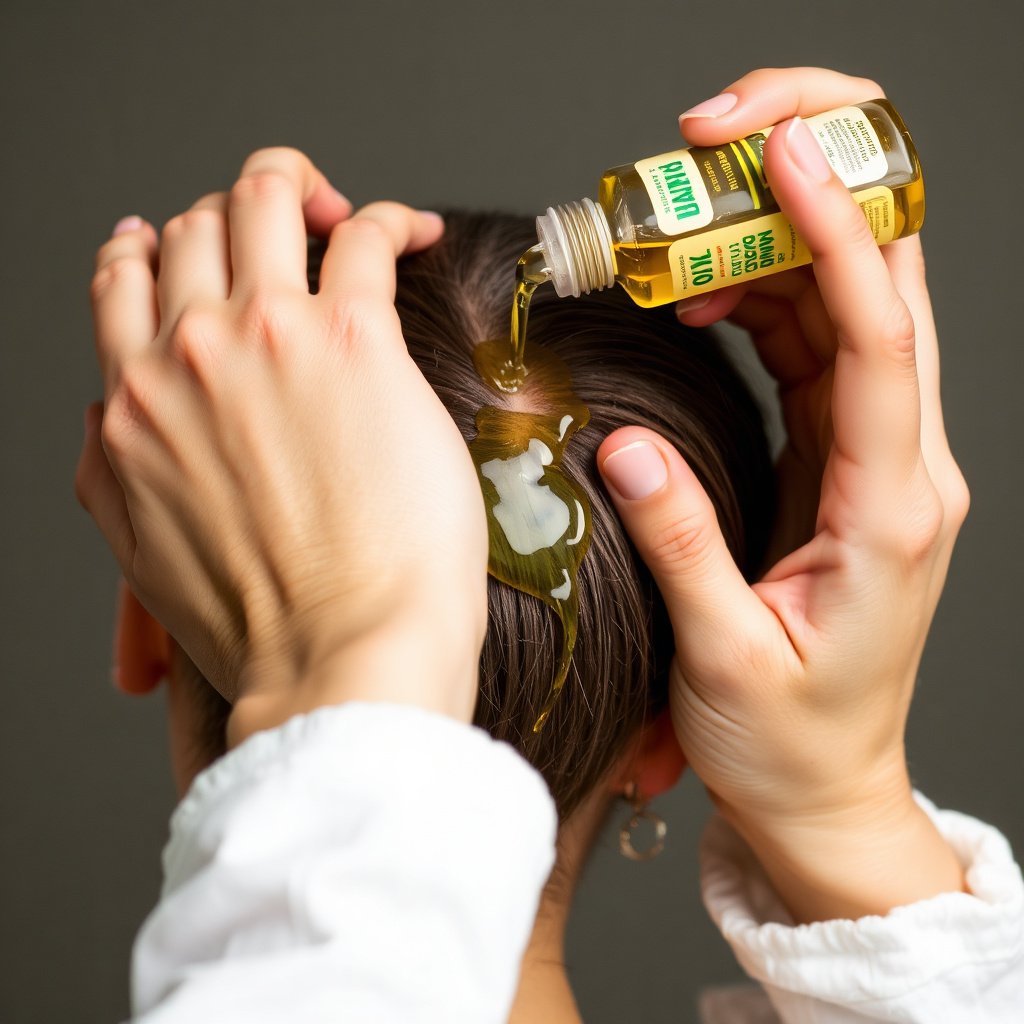
After detangling, rinse your hair and follow up with a hydrating deep conditioner or hair mask to restore moisture lost during the removal process. Focus on your scalp by massaging a lightweight oil to soothe any irritation.
Maintain regular moisturizing routines to help your hair recover and grow strong post-faux locs.
Common Mistakes to Avoid When Removing Faux Locs

Rushing the Removal Process
Hurrying through faux loc removal often leads to unnecessary hair breakage and scalp irritation. Taking your time, sectioning hair, and gently unraveling each loc will minimize damage and discomfort.
Avoid pulling or forcibly combing out locs; this only strains your hair and can cause shedding or thinning.
- Avoid speeding through the process
- Don’t forcefully pull or comb
Neglecting Proper Hair Care After Removal
Skipping detangling and moisturizing treatment after removal can leave your hair brittle and prone to knots. Always dedicate time to carefully detangle and deeply hydrate your natural hair once faux locs are removed.
Ignoring scalp care may also lead to dryness or irritation, slowing hair recovery.
Maintaining Hair Health Between Faux Loc Installations
Prepping Hair Before New Installation
Cleanse your scalp thoroughly and give your hair a deep conditioning treatment before reinstalling faux locs to keep strands nourished. Clean hair reduces buildup and promotes healthy growth beneath the style.
Trim split ends and ensure your hair is dry to prevent mold or scalp issues during the next installation.
For more on this, see our related guide: Your Guide to Faux Locs: Choosing With Confidence.
Regular Scalp and Hair Moisturizing
Between installations, maintain a routine of moisturizing with light oils and leave-in conditioners. Scalp massages stimulate blood flow and encourage healthy follicles, supporting sustainable hair growth cycles.
Avoid heavy products that may cause buildup or weigh hair down under future faux locs.
- Use lightweight oils
- Massage scalp regularly
- Avoid heavy product buildup
Alternative Protective Styles to Consider
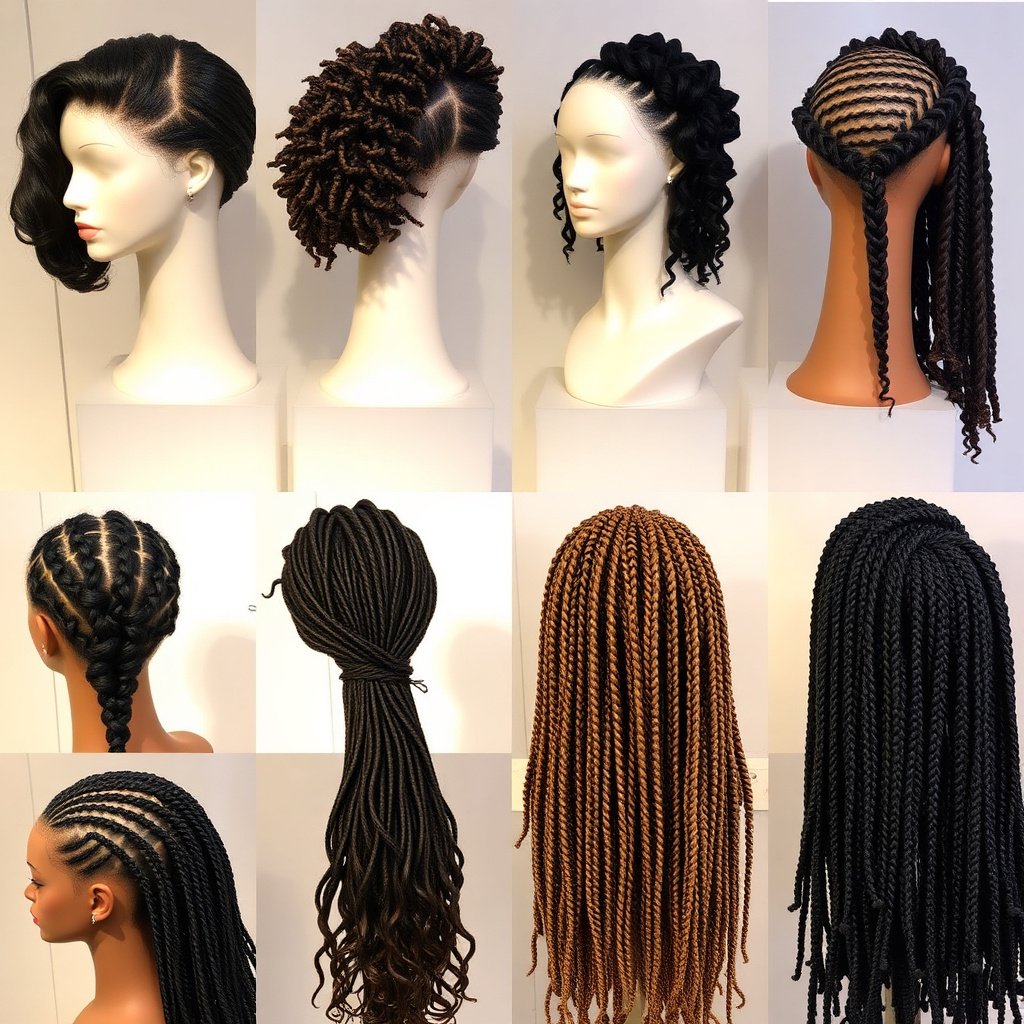
Twists and Braids as Low-Maintenance Options
Twists and braids offer protective styling with generally easier removal processes than faux locs. These styles put less tension on the scalp and can be redone more frequently without damage concerns.
They also allow your natural hair more frequent breaks, promoting long-term strength and reducing buildup.
- Easier removal
- Frequent style changes safe
- Reduced scalp tension
For more detailed information about faux locs, you can explore the Faux locs page on Wikipedia. Faux locs on Wikipedia.
Wigs and Extensions for Versatility
Using wigs or clip-in extensions offers protective styling without the installation or removal stress of faux locs. They allow flexibility in styling while keeping natural hair protected underneath.
Proper care of natural hair before and after using wigs ensures your strands remain healthy during these alternations.
Comparison of Faux Loc Removal Methods
Here’s a quick look at popular faux loc removal techniques and their pros and cons for protecting your natural hair.
| Removal Method | Ease of Use | Risk of Damage | Time Required | Best For |
|---|---|---|---|---|
| Manual Unraveling | Moderate | Low | 1-3 Hours | Small to Medium Locs |
| Cutting Synthetic Ends | Easy | Moderate | 30-60 Minutes | Tight or Knotted Locs |
| Using Detangling Spray | Easy | Low | 1-2 Hours | Sensitive or Fragile Hair |
| Professional Salon Removal | Easy | Very Low | 1-2 Hours | All Loc Sizes, Beginners |
Frequently Asked Questions
Can I take out faux locs myself at home?
Yes, you can remove faux locs yourself with patience, the right tools, and following gentle unraveling techniques to prevent damage.
How long does it usually take to remove faux locs?
Removing faux locs typically takes between 1 to 3 hours depending on the size, length, and complexity of the locs.
Should I wash my hair before or after removing faux locs?
It's best to wash your hair after removing faux locs to help detangle and moisturize your natural hair and scalp.
What products are recommended for detangling after faux loc removal?
Use moisturizing conditioners, detangling sprays, and lightweight oils to gently ease knots and restore moisture post-removal.
Is it harmful to cut the synthetic hair when removing faux locs?
Cutting synthetic hair carefully can be safe for removal, but ensure you avoid cutting your natural hair beneath to prevent damage.
Key Takeaways
- Removing faux locs slowly and gently preserves natural hair health.
- Use moisturizing sprays and conditioners to ease detangling.
- Avoid pulling or rushing to minimize breakage and scalp irritation.
- Proper post-removal care restores hair moisture and strength.
Conclusion
Taking out faux locs requires a clear, gentle approach to prevent damage to your natural hair. Focus on loosening each loc carefully using conditioning agents and slow unraveling. Setting up your workspace with the right tools and sectioning hair can make the removal process more manageable and minimize discomfort.
For those with smaller or medium-sized locs, manual unraveling paired with detangling spray works well, while cutting synthetic ends helps with tighter knots. If you have fragile scalp conditions or prefer assurance, a professional salon removal is a safe alternative minimizing potential damage. Regular moisturizing and scalp care between installations support healthy hair growth over time.
After removal, your next step should be to commit to a thorough detangling and hydrating regimen, using wide-tooth combs and deep conditioners. Maintaining your hair during breaks from faux locs—including lightweight moisturizing and gentle scalp massages—provides the best foundation for long-term hair health and successful styling choices.