How to Do Crochet Locs: A Step-by-Step Guide for Natural Hairstyles
Crochet locs are a popular, low-maintenance protective hairstyle that mimics the look of natural dreadlocks through a unique crocheting technique. The process involves installing pre-made loc extensions by looping them into your natural hair using a crochet needle. This method allows for quicker installation compared to traditional locs and adds versatility to your hairstyle.
Many people prefer crochet locs because they offer a natural appearance without the long commitment of growing dreadlocks from scratch. It's a great option for those looking to protect their natural hair while experimenting with loc styles that can be worn temporarily or semi-permanently. Understanding the crochet loc method can save time and reduce damage often caused by more aggressive styling techniques.
This article covers everything from preparation and selecting the right hair type to step-by-step installation and maintenance tips. You’ll also find comparisons of different crochet loc styles and answers to frequently asked questions, helping you master the process and enjoy your new look safely and beautifully.
Preparation for Crochet Locs Installation
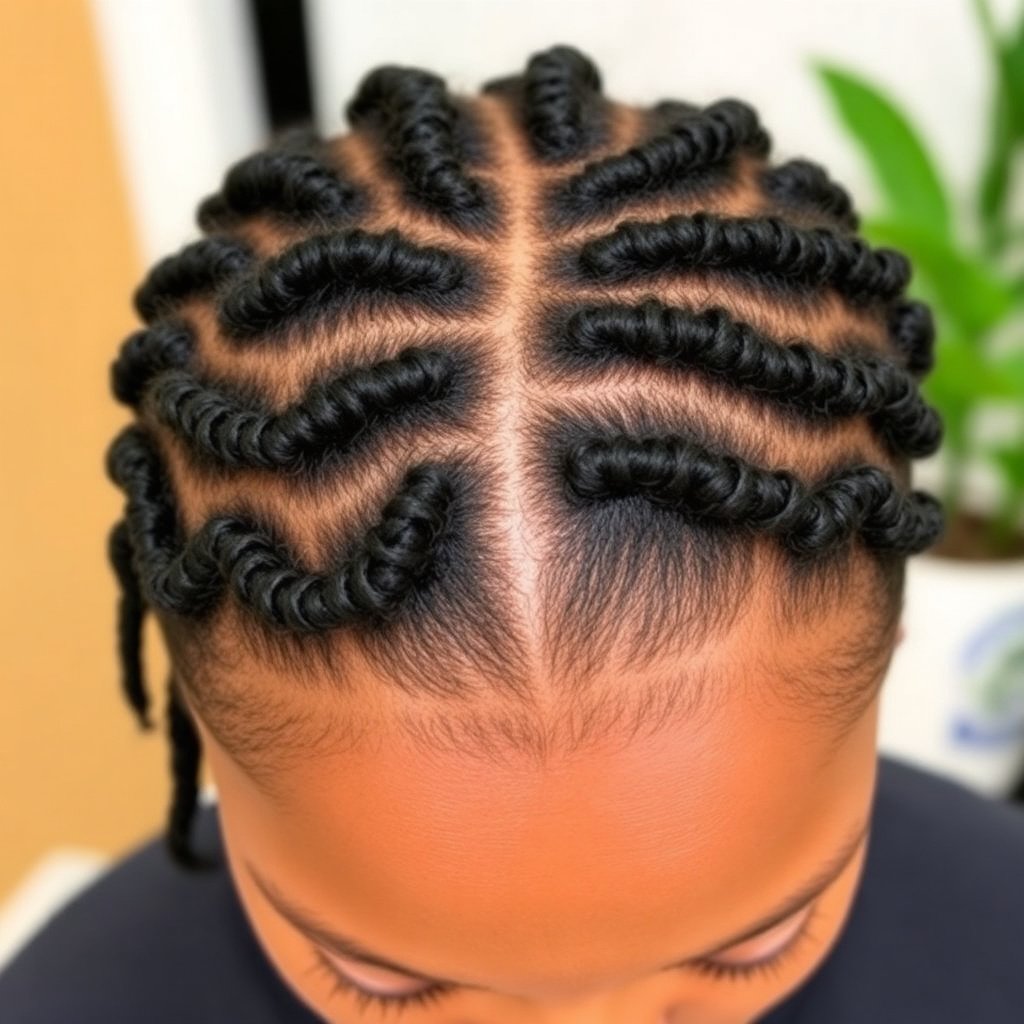
Washing and Conditioning Your Natural Hair
Start by washing your hair thoroughly with a moisturizing shampoo to remove any buildup. Follow up with a deep conditioner to restore moisture and elasticity, which will help prevent breakage during the crochet process. Dry your hair completely before moving on to sectioning.
Clean and well-moisturized hair forms the best base for crochet locs, ensuring your scalp remains healthy throughout the wear period. Avoid heavy oils or products that leave residue, as they can make it harder for the crochet locs to hold.
- Use sulfate-free shampoo
- Apply deep conditioner for 15-30 minutes
- Air dry or use a low-heat setting if blow drying
Sectioning Hair for Even Crochet Locs
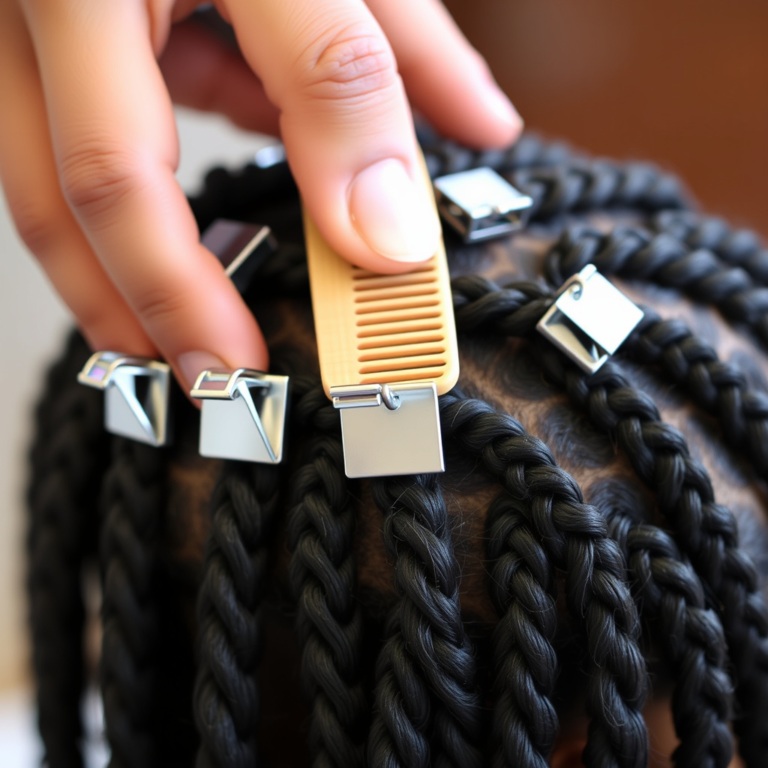
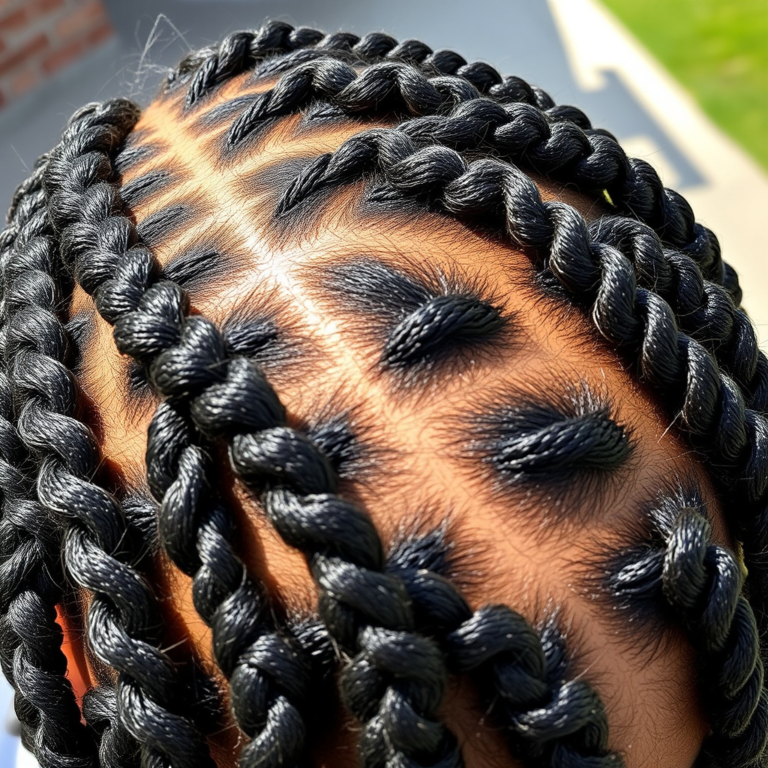
Divide your hair into neat, evenly spaced sections using clips or rubber bands. The size of these sections will directly determine the thickness of your crochet locs. Aim for square or rectangular parts for uniformity, which helps produce a polished look.
Smaller sections create thinner locs and a fuller appearance, while larger sections offer chunkier locs that install faster. Keep your scalp tension comfortable to avoid irritation during and after installation.
- Use a rat-tail comb for clean parts
- Secure each section tightly but comfortably
- Mark rows to maintain consistent loc placement
Choosing the Best Hair for Crochet Locs
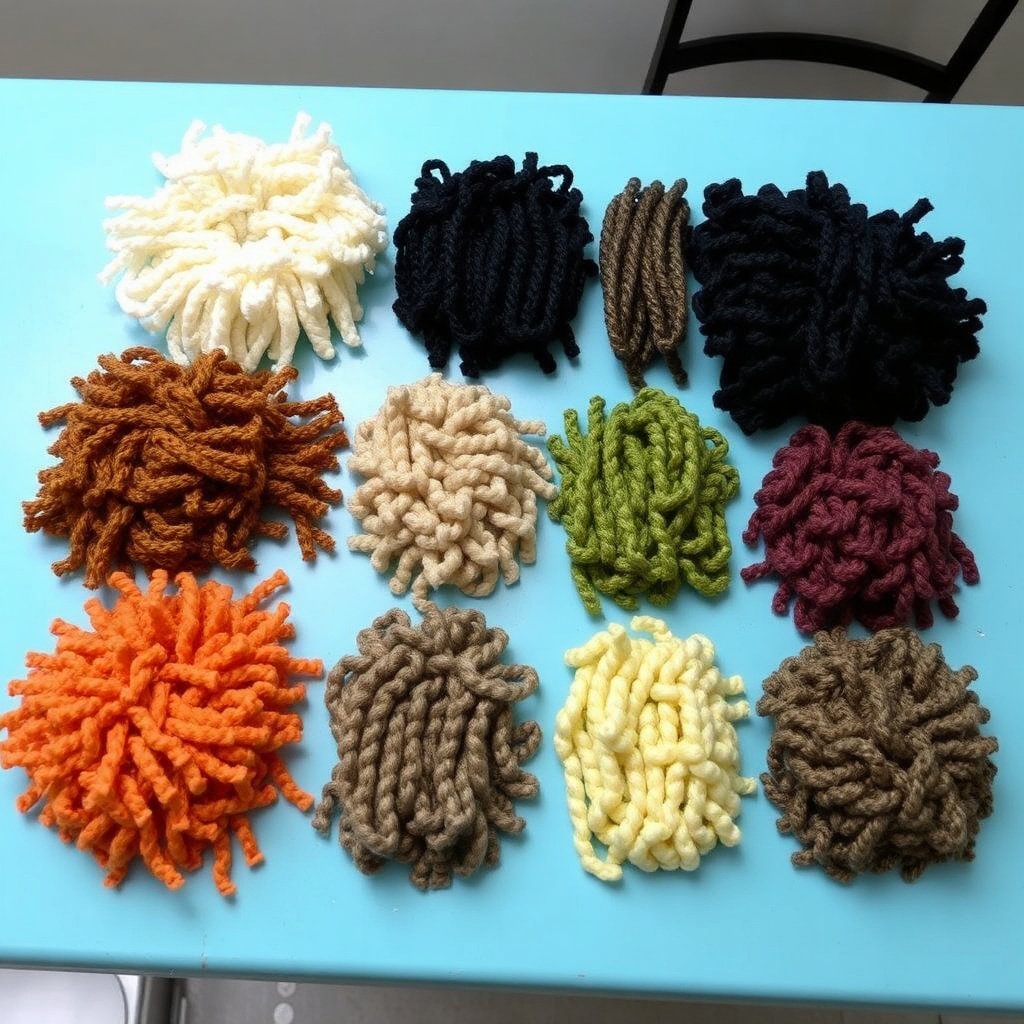
Synthetic vs. Human Hair Options
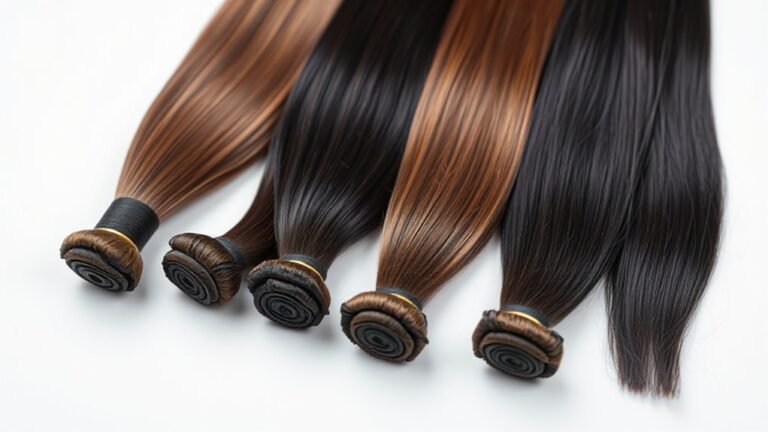
Synthetic hair is the most common choice for crochet locs due to its affordability and variety. Brands often offer pre-made locs in different lengths, textures, and colors, simplifying installation. However, synthetic hair may feel less natural and is sometimes less durable under heat styling.
Human hair extensions provide a more realistic look and can be styled with heat tools, but they come at a higher cost and require more maintenance. Many opt for high-quality synthetic locs that mimic the texture of natural hair for a balanced blend of affordability and appearance.
- Synthetic: budget-friendly, wide color range
- Human hair: realistic texture, heat-friendly
Popular Textures and Colors for Crochet Locs
Crochet loc hair typically comes in kinky, wavy, or straight textures. Kinky and kinky-curly textures blend well with natural Afro hair, offering a seamless, natural look. If you prefer bold style statements, colors range from natural black and brown to blond, burgundy, and pastel shades.
Choosing a texture that matches or complements your own hair helps the crochet locs blend better and facilitates easier maintenance. When selecting color, consider your skin tone and the hairstyle's versatility to ensure your new locs complement your overall look.
- Kinky textures for natural blending
- Variety of colors available
- Match texture to your natural hair for best results
Step-by-Step Crochet Locs Installation Process
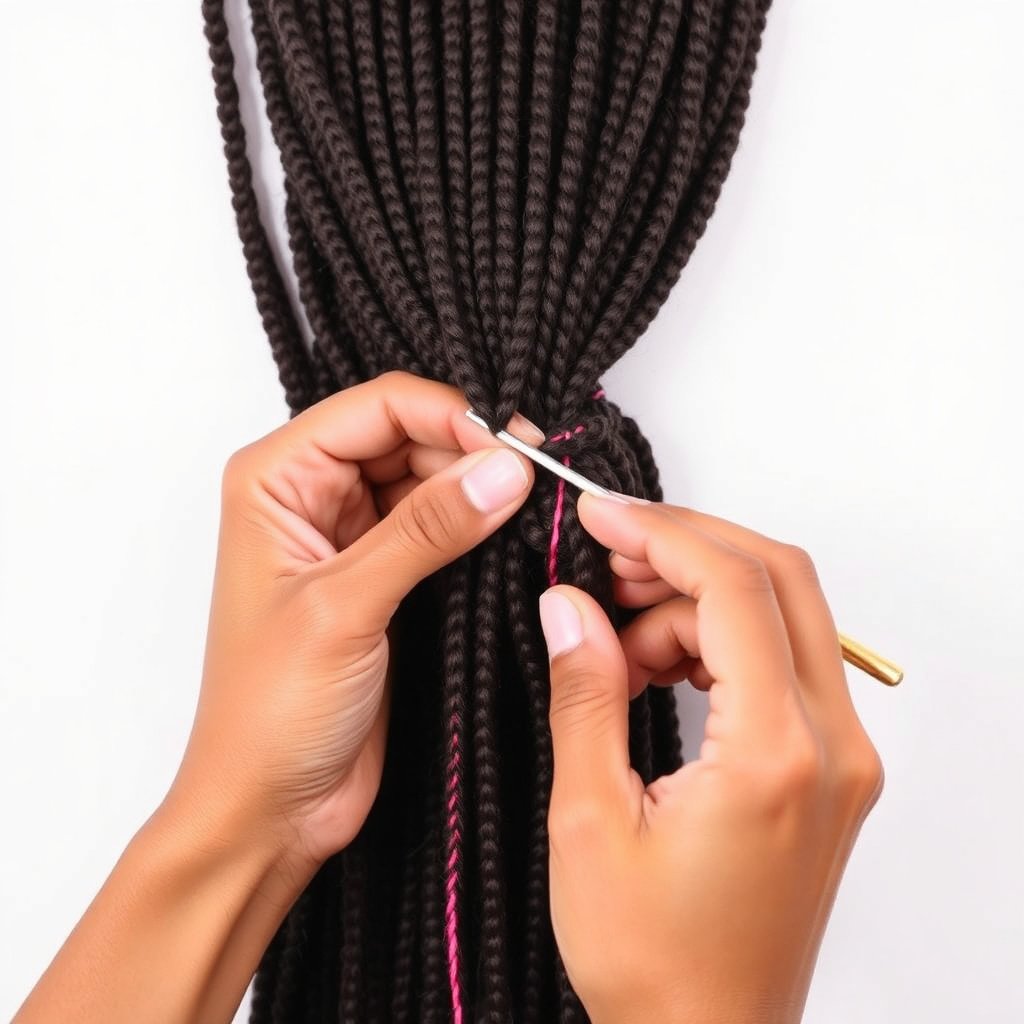
Looping the Crochet Loc Hair onto Natural Hair
Insert the crochet needle under a parted section of your natural hair, open the latch, and hook the loc extension’s folded loop onto the needle. Pull the needle back through, bringing the loc’s loop underneath your hair. Then, pull the loose ends of the loc through this loop and tug gently to secure.
This loop-and-pull method creates a secure attachment without the need for knots or glue, preserving scalp health. Consistent tension is key to keeping locs secure yet comfortable to wear.
- Use a 0.6mm latch hook needle
- Pull firmly but do not over-tighten
- Continue systematically section by section
For more on this, see our related guide: Your Guide to Butterfly Locs Crochet Hair: Choosing With Confidence.
Sealing and Styling the Locs
Once the loc is attached, you can style the ends by twisting, burning, or rolling depending on your preferred loc tightness and finish. Some prefer to dip loc ends in hot water for a more polished look, while others enjoy a looser, undone style.
Styling helps lock the crochet locs’ appearance and ensures durability. Be cautious with heat application and avoid frequent manipulations to maintain loc integrity.
- Twist or burn ends for a neat finish
- Dip ends in hot water for synthetic hair
- Avoid excessive heat to prolong lifespan
Maintenance and Care for Crochet Locs
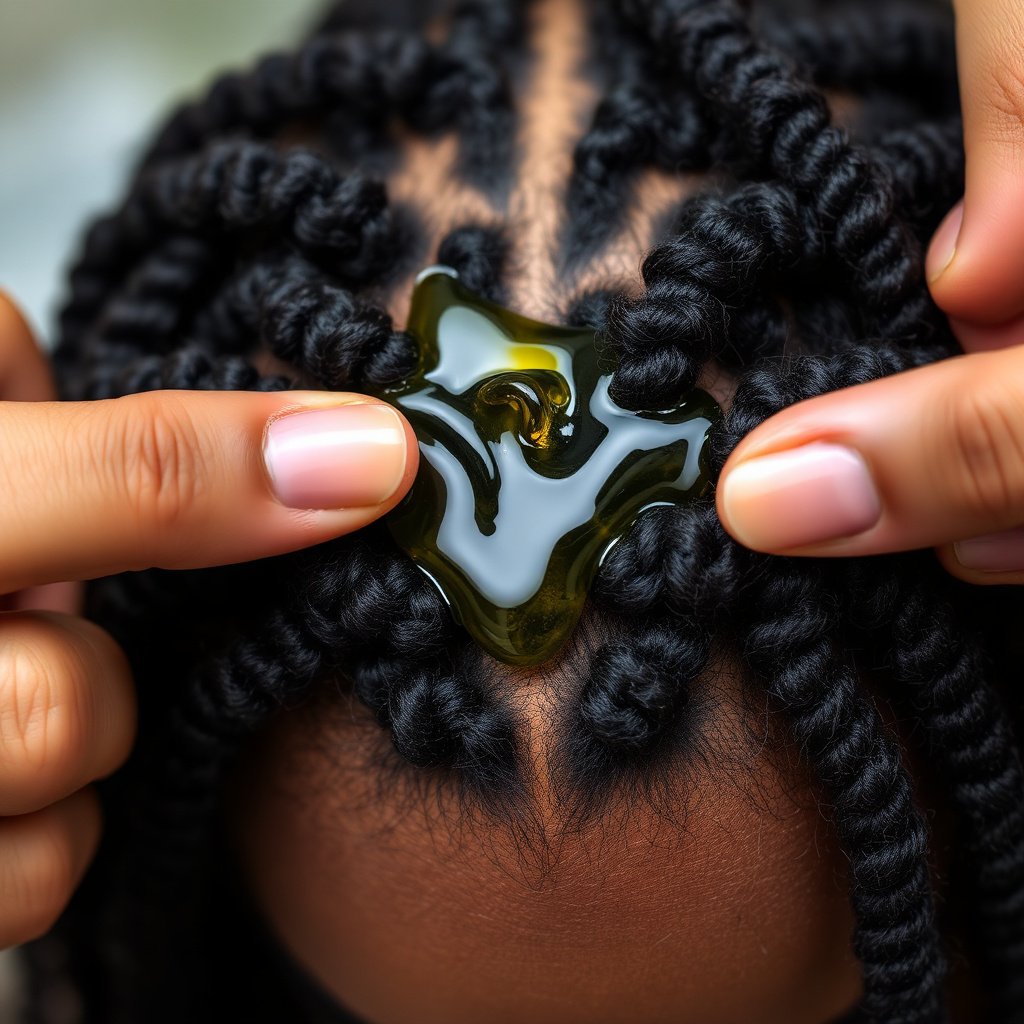
Daily Care Routines
Moisturize your scalp regularly using light oils or sprays to prevent dryness and itching. Avoid heavy creams that cause buildup or loosen the locs. Cover your hair with a satin bonnet or scarf while sleeping to reduce frizz and breakage.
Gentle handling is essential to preserve the attachment sites and minimize tension on your natural hair. Keeping your scalp clean and hydrated promotes healthy hair growth under the crochet locs and maintains scalp comfort.
- Use lightweight oils like jojoba or argan
- Sleep with satin or silk covers
- Avoid over-manipulating the locs
Washing and Refreshing Crochet Locs
Wash your crochet locs every 1-2 weeks using diluted sulfate-free shampoo to cleanse both your scalp and extensions. Focus on your scalp with a gentle massage and rinse thoroughly. Air dry completely to avoid mildew buildup inside the locs.
Refreshing your locs can include re-twisting the roots as necessary and sealing any loose ends. Proper drying and maintenance help extend the lifespan of your crochet locs and keep your natural hair healthy beneath.
- Dilute shampoo for gentle cleansing
- Pat dry with microfiber towel
- Avoid heavy conditioners on the extensions
Styling Variations for Crochet Locs
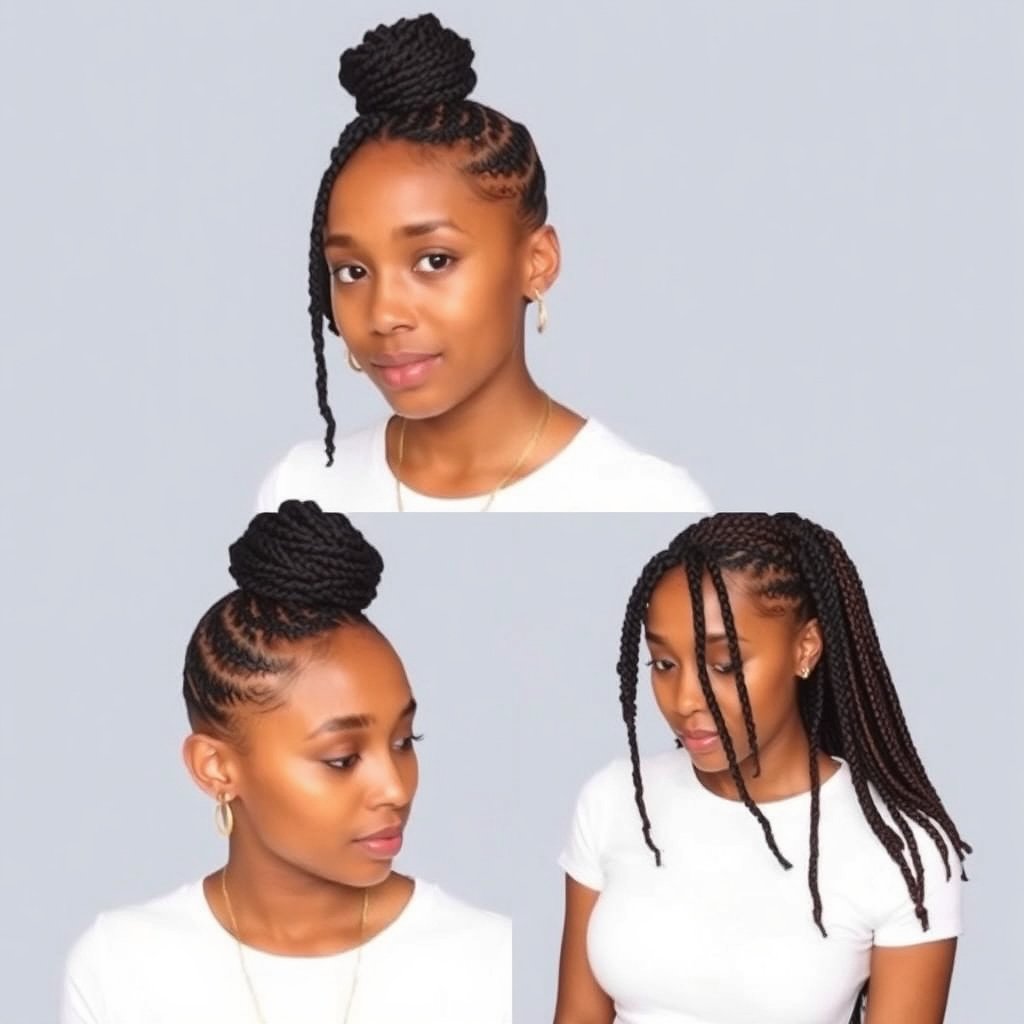
Updos and Braided Styles
Crochet locs are versatile and can be arranged into numerous styles, including buns, ponytails, and braided crowns. These updos offer protective benefits by reducing daily wear and allowing scalp access for moisturization.
Securing crochet locs loosely ensures the style lasts longer without pulling on natural hair. Using soft bands prevents breakage and keeps your scalp comfortable while experimenting with different looks.
- High buns for formal occasions
- Braided crowns for elegant daily style
- Use soft bands to avoid hair stress
For more on this, see our related guide: Distressed Locs Guide: What to Know Before You Buy.
Color and Accessory Options
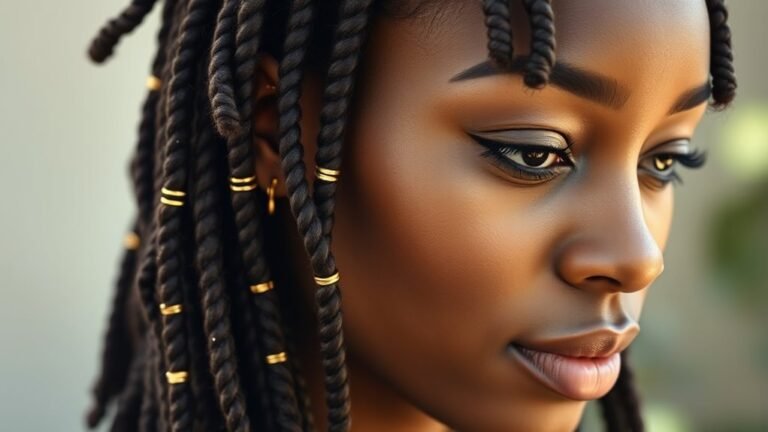
Accessorize your crochet locs with beads, cuffs, or threads to personalize your look. These additions can be attached easily without damaging the locs, allowing frequent style changes.
Color choices also enable bold fashion statements. Adding highlights or ombre effects with crochet loc hair permits color experimentation without chemical treatments on natural hair.
- Use lightweight, hair-safe accessories
- Try multi-colored crochet locs for flair
- Experiment with seasonal or themed styles
Troubleshooting Common Crochet Locs Issues
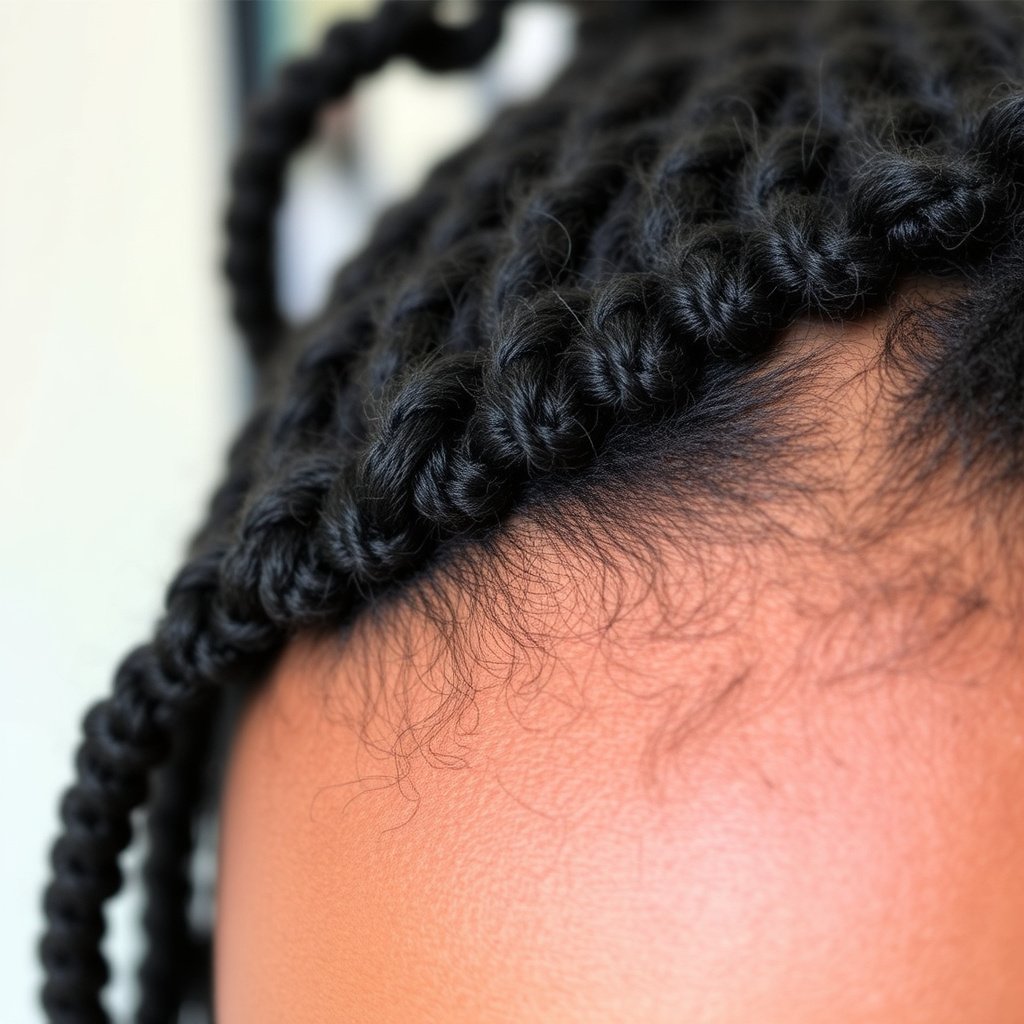
Dealing with Loose or Slipping Locs
Loose locs often stem from insufficient tension during installation or natural hair slippage. To fix this, use the crochet needle to tighten the loop or reinstall affected locs on looser hair sections.
Regular maintenance checks prevent loc slippage from becoming noticeable. Addressing tension issues early safeguards both your locs and natural hair.
- Tighten loc loops periodically
- Avoid harsh pulling when styling
- Reinstall locs if necessary
For further reading and historical context on loc hairstyles, visit Crochet Locs on Wikipedia. Crochet Locs on Wikipedia.
Handling Scalp Irritation and Breakage
Scalp irritation can occur if locs are installed too tightly or due to product buildup. Use soothing treatments such as aloe vera gel and minimize styling tension. Give your scalp breaks between installations to recover.
Breakage often results from dryness or mechanical stress. Maintaining an adequate moisturizing routine and gentle handling will reduce hair damage and encourage healthy growth under the crochet locs.
- Massage scalp with natural oils
- Avoid tight hairstyles
- Limit duration of crochet locs if irritation persists
Comparison of Crochet Loc Styles
This table compares popular crochet loc styles based on appearance, installation time, and maintenance needs to help you choose the right fit.
| Style | Appearance | Installation Time | Maintenance Level |
|---|---|---|---|
| Traditional Crochet Locs | Natural, solid loc look | 3-5 hours | Medium |
| Bohemian Crochet Locs | Looser texture, with waves | 4-6 hours | High |
| Braided Crochet Locs | Locs with braided bases | 5-7 hours | Medium-High |
| Kinky Crochet Locs | Tightly coiled texture, natural look | 3-4 hours | Low-Medium |
| Colorful Crochet Locs | Vibrant colors and highlights | 4-6 hours | Medium |
Frequently Asked Questions
How long do crochet locs typically last?
Crochet locs usually last between 4 to 8 weeks, depending on hair care, maintenance, and natural hair growth. Proper moisturizing and gentle handling can extend their lifespan.
Can I wash my natural hair with crochet locs installed?
Yes, you can wash your hair every 1-2 weeks using diluted shampoo to clean your scalp and locs gently. Thorough rinsing and complete drying afterward prevent scalp issues and mildew.
Are crochet locs damaging to natural hair?
When installed and maintained properly, crochet locs are a low-damage protective style. Keep loc tension moderate and maintain scalp health to minimize breakage and irritation.
Can I swim with crochet locs?
Swimming is possible, but it's best to protect your locs with a swim cap or rinse and dry them thoroughly afterward to avoid buildup and tangling from chlorine or saltwater.
Is it necessary to use human hair for crochet locs?
No, synthetic hair designed for crochet locs is widely used and provides many texture and color options. Human hair extensions can be used but are generally more expensive and require higher maintenance.
Key Takeaways
- Crochet locs use a looped crocheting method to attach extensions securely to natural hair.
- Proper preparation and hair selection are vital for a natural, long-lasting look.
- Maintenance includes moisturizing the scalp and gentle washing every 1-2 weeks.
- Styling options and color variety make crochet locs a versatile protective style.
Conclusion
Choosing to do crochet locs involves understanding your hair type, desired loc style, and maintenance commitment. The main keyword, how to do crochet locs, comes alive through systematic preparation, careful installation, and attentive upkeep. By following these methods, you ensure your natural hair remains healthy under the extensions while enjoying the aesthetic benefits of locs without waiting years to grow them.
For those seeking a quick transformation with minimal damage, traditional crochet locs and kinky crochet locs offer natural appearances suited for everyday wear. If you prefer more elaborate styles, braided crochet locs or bohemian textures provide eye-catching variations but may require longer installation and increased care. Additionally, selecting the best hair for crochet locs, typically synthetic textured loc hair, balances affordability with style personalization.
To begin, gather high-quality synthetic loc hair and a comfortable crochet needle, then follow the modular sectioning and looping installation process. Maintain by gentle washing, moisturizing, and avoiding overly tight styling. With patience and routine care, crochet locs become an accessible, stylish option to showcase your individuality while protecting your natural hair.