How to Braid with Extensions: A Step-by-Step Guide for Seamless Styles
Braiding with extensions is a practical way to add length, volume, and variety to your hairstyles. To braid with extensions, start by selecting the right type of extensions for your hair texture and desired braid style. Prepare your hair by detangling and sectioning it properly, then integrate the extensions gradually into your natural hair as you braid, maintaining even tension throughout the process.
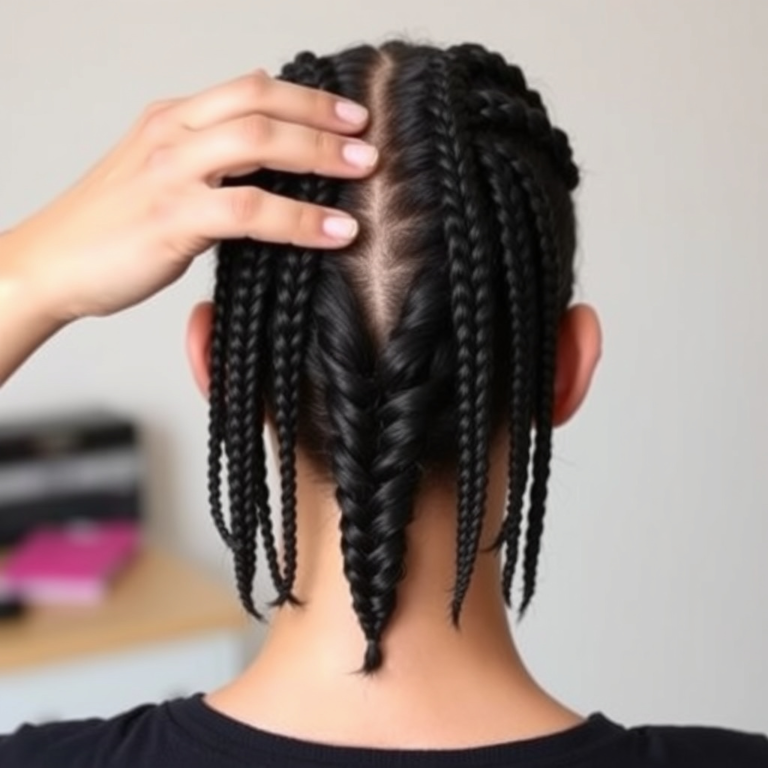
Using braid extensions allows for versatile looks from classic three-strand braids to complex box braids or cornrows, making hair appear fuller and longer while adding vibrant colors or highlights without dye. Proper technique ensures your braid looks natural and lasts longer, avoiding issues like uneven sections or loose strands that can lead to early unraveling.
This guide will cover essential types of extensions suitable for braiding, preparation tips to get the best results, detailed steps to braid with extensions, and maintenance advice to keep your braids looking fresh. You'll find practical information whether you’re a beginner or experienced with hair styling.
Choosing the Right Extensions for Braids
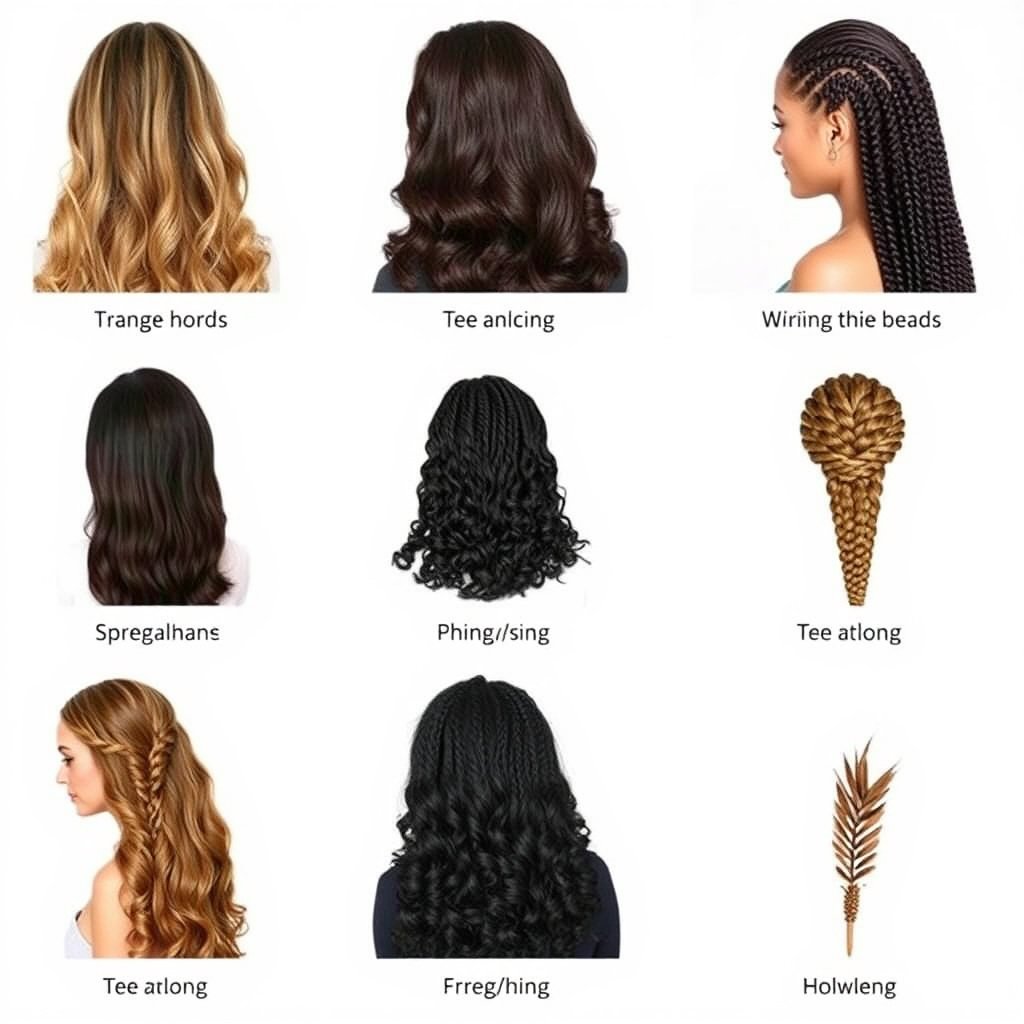
Synthetic vs. Human Hair Extensions
Synthetic extensions are affordable and come in diverse colors, but they can be less durable and may have an unnatural shine. Human hair extensions provide a natural look and offer styling versatility, including heat styling and coloring, but they tend to be pricier and require more care.
When deciding between the two, consider the style longevity and how natural you want your braid to look. Synthetic hair is often chosen for creative, colorful braids, while human hair blends seamlessly with natural hair for classic braid styles.
- Synthetic: budget-friendly, colorful, less durable
- Human hair: natural appearance, versatile, higher cost
Pre-Looped and Bulk Hair Extensions
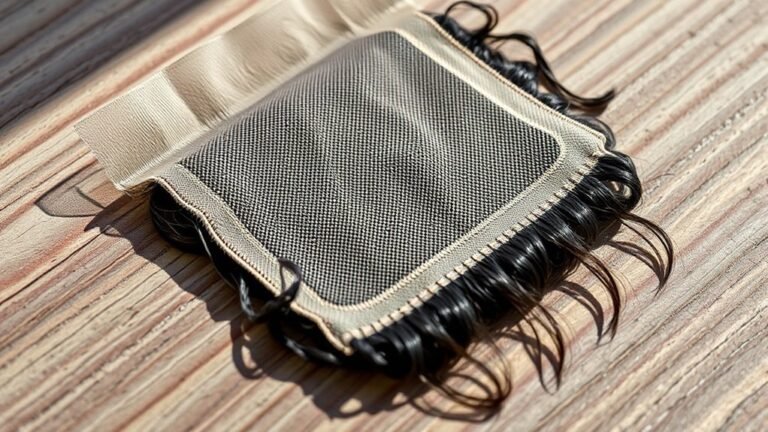
Pre-looped extensions come ready with a loop at the top for easy installation, often used for feed-in braids or knotless styles. Bulk hair extensions require manipulation like twisting or looping before braiding and are preferred for traditional box braids or cornrows.
Your choice depends on the braid technique you want to use. Pre-looped extensions speed up styling time and reduce scalp tension, whereas bulk hair gives more control over braid thickness and length.
- Pre-looped: easier to install, less scalp stress
- Bulk hair: customizable thickness, longer styling process
Preparing Your Hair and Extensions for Braiding
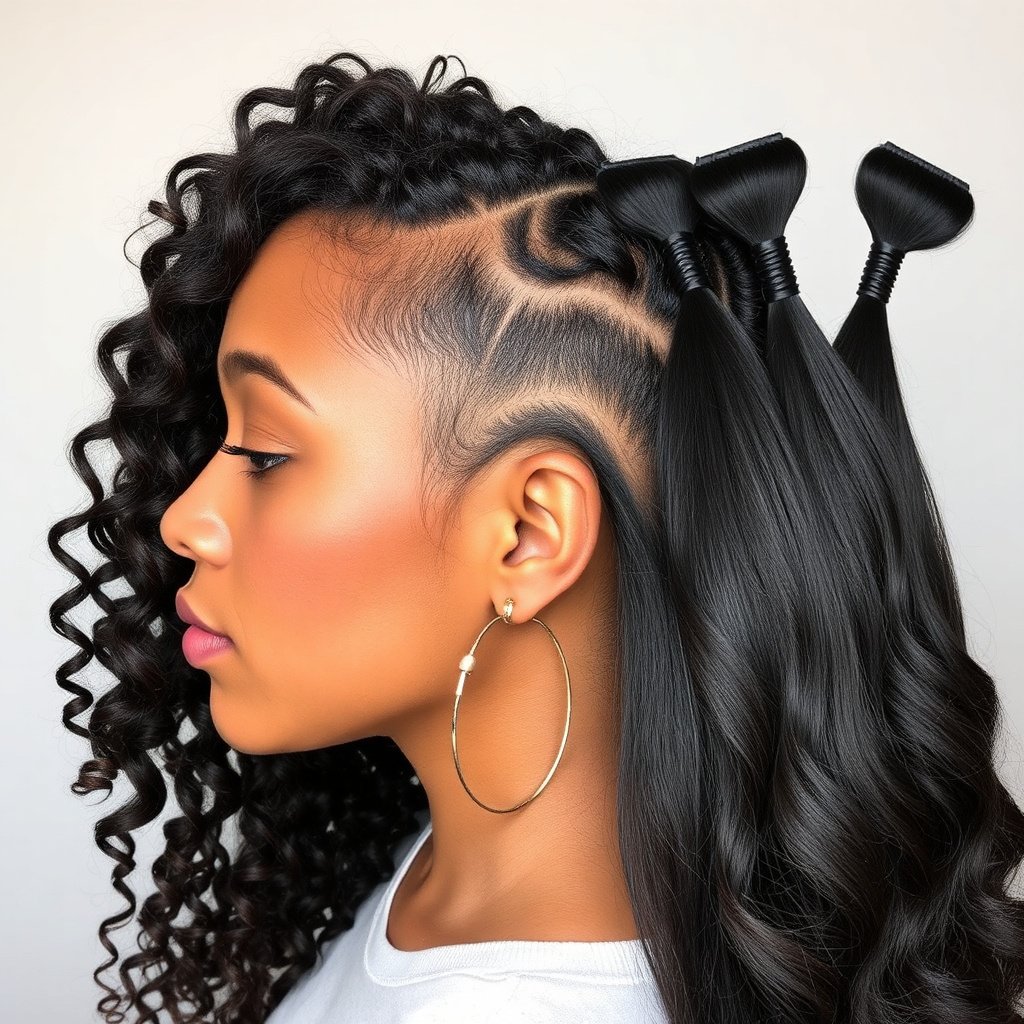
Detangling and Moisturizing Natural Hair
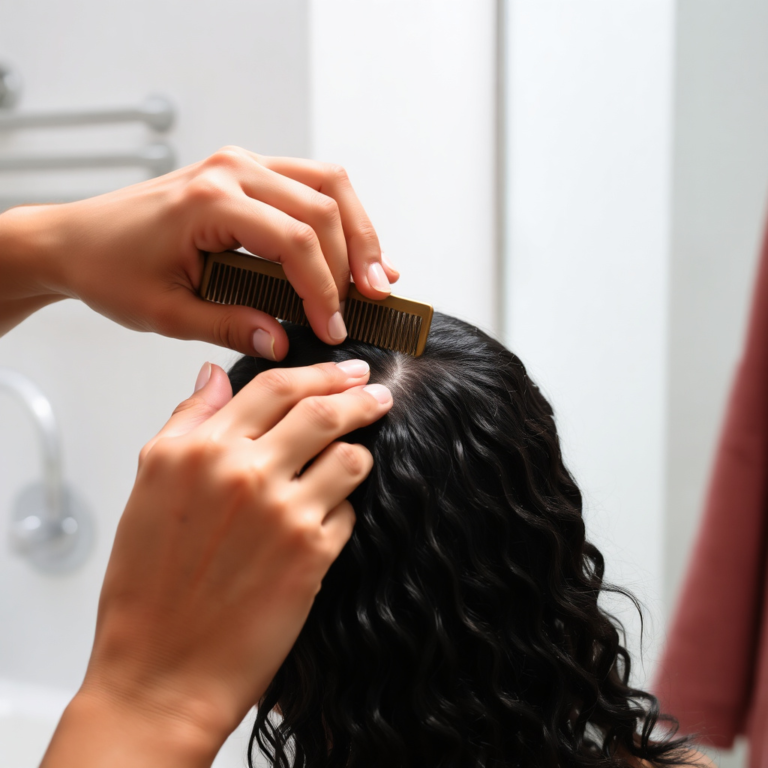
Start with clean, detangled hair to prevent knots during braiding. Use a wide-tooth comb to gently remove tangles, and apply a moisturizing leave-in conditioner or oil to soften hair and reduce friction.
Healthy, well-prepared hair promotes a smoother braid base and helps extensions integrate seamlessly without causing damage or discomfort.
- Use sulfate-free shampoo and conditioner
- Apply light leave-in conditioner
- Detangle from ends to roots carefully
For more on this, see our related guide: Wholesale Braiding Hair: Your Local Shopping Guide.
Preparing Extensions for Easy Incorporation
Before braiding, separate the hair extensions into manageable sections matching your desired braid size. Finger-comb synthetic extensions gently to avoid frizz, and spray lightly with water or detangling spray if needed.
Keeping extensions ready prevents snagging and uneven braids, and makes the braiding process smoother and faster.
Step-by-Step Guide on How to Braid with Extensions
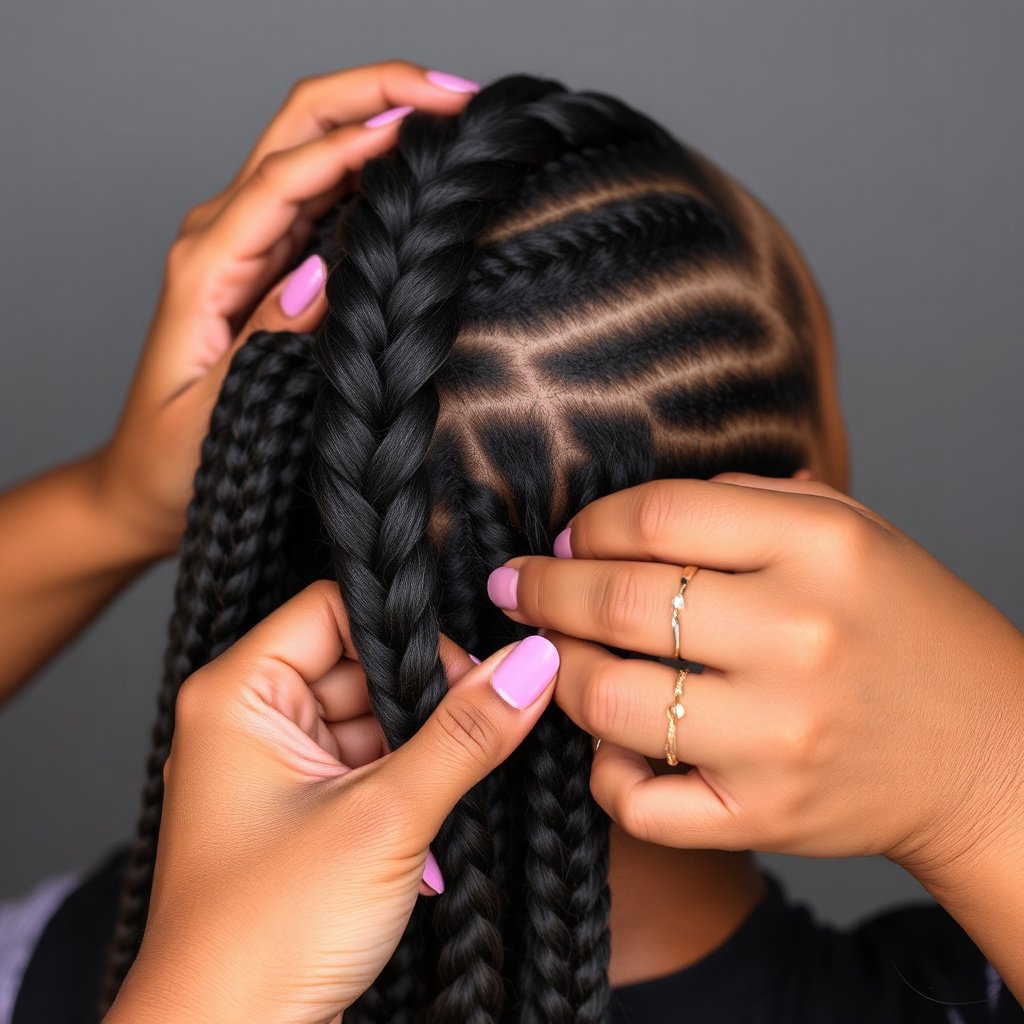
Starting the Braid with Extensions
Begin by sectioning a small amount of your natural hair where the braid will start. Add a small amount of extension hair to your natural hair at the roots, ensuring it blends evenly. Divide this combined section into three strands to start your braid.
Keeping consistent tension, cross strands over each other, gradually adding more extension hair at each pass. This technique secures the extension to your natural hair and builds the braid smoothly.
- Keep sections even in size
- Add extensions gradually
- Maintain consistent tension
Finishing and Securing the Braid
Once your braid reaches the desired length, secure the end with a small elastic band or by sealing the synthetic hair with hot water if applicable. If you want a natural look, trim any excess extension hair and smooth the braid with light pomade or edge control.
Proper finishing helps the braid hold longer and prevents unraveling while giving the style a polished appearance.
- Use elastics for natural hair
- Seal synthetic extensions carefully
- Apply styling product for neatness
Maintaining Braids with Hair Extensions
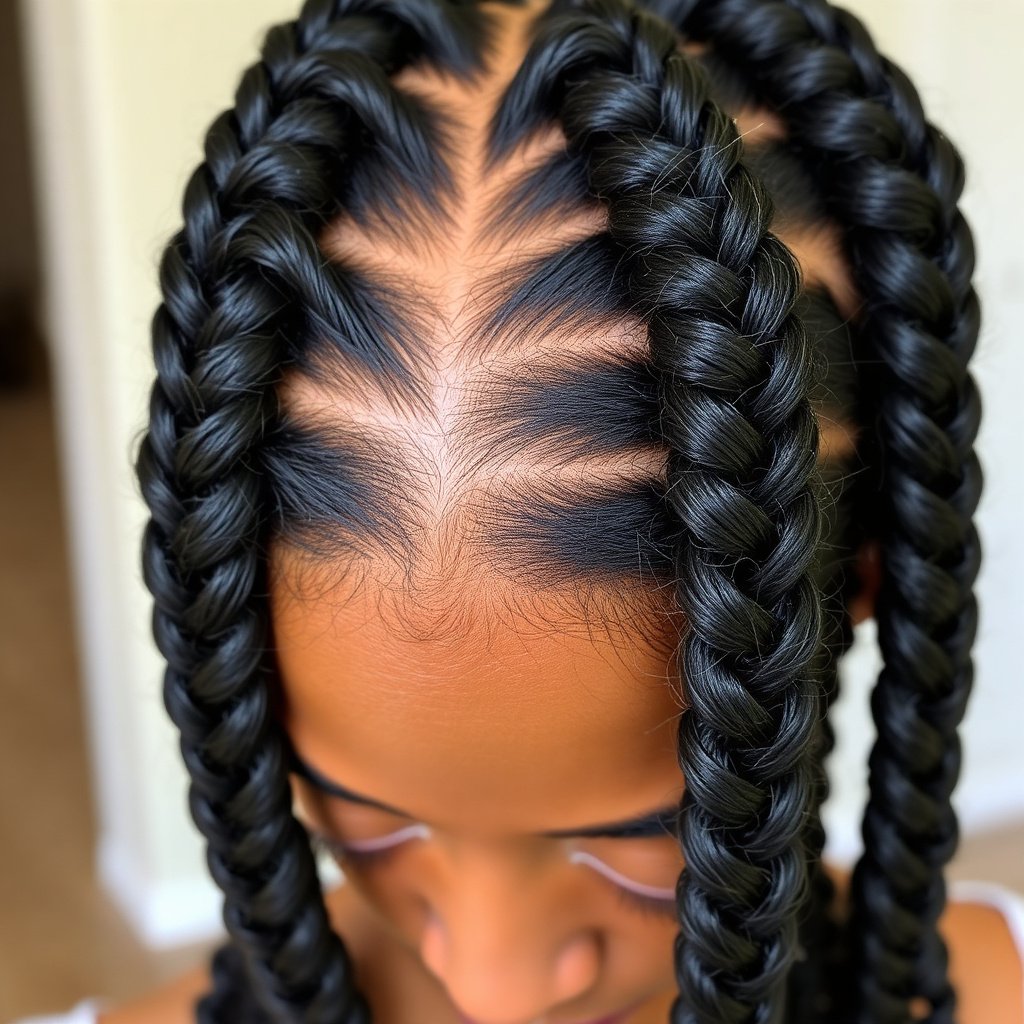
Cleaning and Scalp Care
Keep your scalp healthy by gently washing with diluted shampoo and focusing on the scalp between braids. Use a spray bottle to apply water and light moisturizer regularly to prevent dryness under the braids.
Maintaining scalp hygiene helps reduce itching and flaking, which can affect the longevity of braid extensions.
- Dilute shampoo before washing
- Focus on scalp, not just hair
- Moisturize scalp daily
For more on this, see our related guide: Best Hair Extensions: Top Picks and Buying Tips.
Protecting Braids Overnight and During Activities
Cover braids with a silk or satin scarf or bonnet at night to minimize friction and preserve style. For active days, especially during workouts or swimming, use protective spritzes to maintain moisture and prevent residue buildup.
These simple steps help extend the life of your braid extensions and keep them looking fresh and neat for weeks.
- Sleep with satin scarf or bonnet
- Use protective sprays before swimming
- Avoid heavy products that cause buildup
Troubleshooting Common Issues When Braiding with Extensions
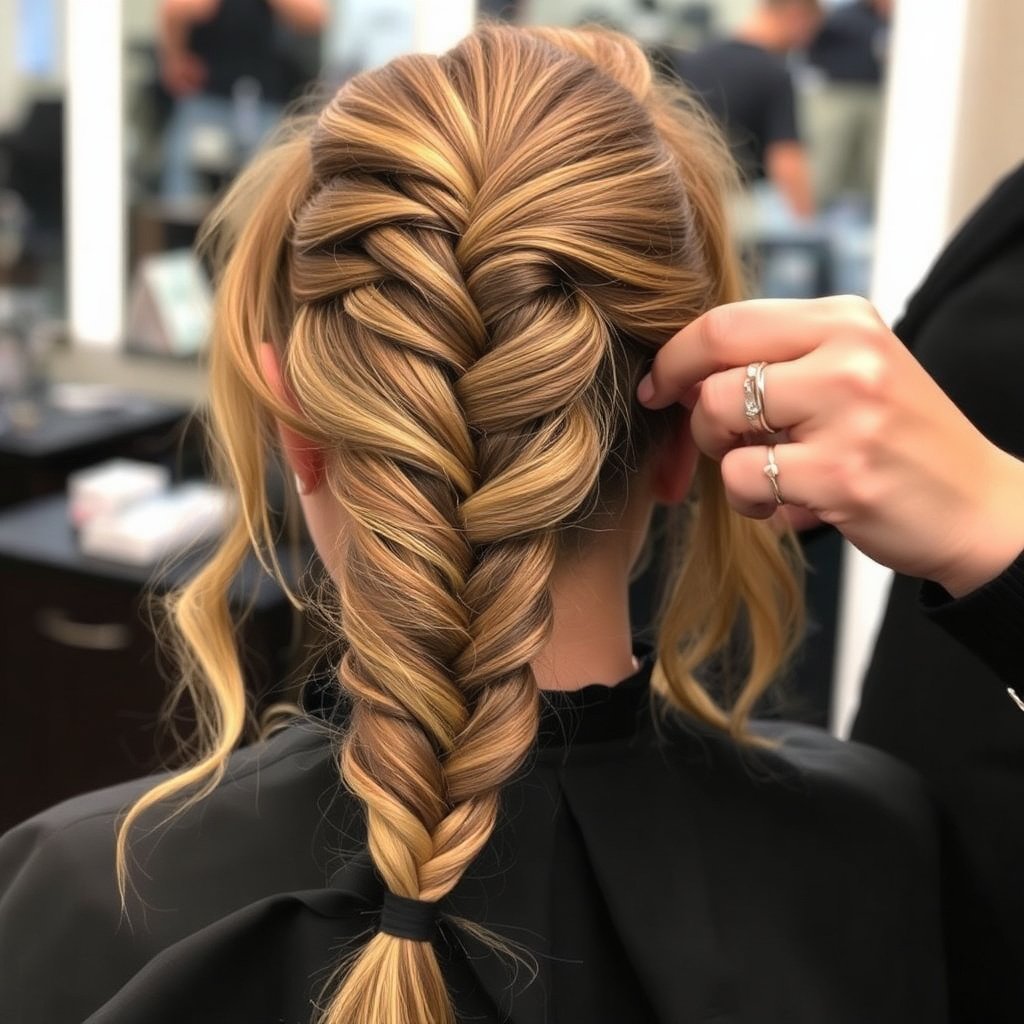
Dealing with Frizz and Flyaways
Frizz often arises from friction or dry hair. To reduce it, apply anti-frizz serum or light oils to tame flyaways during and after braiding. Wrapping the head with a satin scarf post-braiding helps keep strands smooth.
Consistent moisturizing of both natural hair and extensions minimizes frizz buildup over time.
- Use anti-frizz products sparingly
- Protect hair nightly with satin wrap
For additional background and historical context, explore braiding techniques on Wikipedia. braiding techniques on Wikipedia.
Addressing Loose Braids and Uneven Tension
Loose braids can result from uneven tension or improper extension attachment. Re-tighten sections carefully if possible, or if braids loosen significantly, consider redoing the affected braid.
Practicing tension control and adding extensions gradually help avoid uneven sections and maintain a uniform braid throughout.
- Maintain steady hand tension
- Add small amounts of extension gradually
- Redo loose braids promptly
Comparison of Popular Hair Extensions for Braiding
This table summarizes key features of different types of hair extensions used for braiding to help you choose the best fit.
| Extension Type | Cost | Durability | Styling Flexibility | Installation Time |
|---|---|---|---|---|
| Synthetic Bulk | $10-$20 | 4-6 weeks | Limited (no heat) | 60-90 minutes |
| Human Bulk | $40-$80 | 6-8 weeks | High (heat-friendly) | 90-120 minutes |
| Pre-Looped Synthetic | $15-$30 | 4-6 weeks | Limited | 30-60 minutes |
| Pre-Looped Human | $60-$100 | 6-8 weeks | High | 45-90 minutes |
Frequently Asked Questions
Can I braid with extensions on wet hair?
It's not recommended to braid extensions on soaking wet hair because wet hair is more fragile and prone to breakage. Hair should be damp or dry to prevent damage and ensure braids hold well.
How long can braided extensions last?
Braided extensions generally last between 4 to 8 weeks depending on hair type, care routine, and extension material. Proper maintenance can extend braid longevity while reducing scalp irritation.
Are there any risks of damage when braiding with extensions?
If braids are too tight or extensions are heavy, they can cause tension and damage to natural hair. Ensuring moderate tension and using lightweight extensions help protect hair health.
Can I reuse hair extensions for multiple braids?
Human hair extensions can often be reused if cared for properly, while synthetic extensions tend to have shorter reuse potential due to fiber wear and frizz.
What products should I use to maintain braids with extensions?
Use light oils, moisturizing sprays, and scalp cleansers designed for braided hair. Avoid heavy creams that cause buildup and weigh down braids.
Key Takeaways
- Choose extensions based on desired look, budget, and hair type.
- Thorough hair and extension preparation smooths the braiding process.
- Consistent tension and gradual extension incorporation create neat braids.
- Regular maintenance preserves braid longevity and scalp health.
Conclusion
Understanding how to braid with extensions involves selecting the right type of hair, preparing both your natural hair and the extensions properly, and mastering the technique of integrating strands with even tension. Throughout this process, balance is key–avoiding too much tension helps prevent hair damage while ensuring your braid is secure and polished. Whether you're aiming for dramatic length or subtle volume, knowing these fundamentals will help you achieve professional-looking results at home or inform your conversations with stylists.
For those seeking durability and a natural finish, human bulk hair extensions work well for box braids or intricate styles like cornrows, while pre-looped synthetic extensions simplify installation and reduce scalp strain for beginners. Synthetic wigs or bulk hair are fantastic for experimenting with colors or creative braid shapes without long-term commitment. Maintenance must follow to protect your scalp and keep the braids neat—regular moisturizing, gentle washing, and nighttime protection markedly extend how long your braided style looks fresh and comfortable.
If you're new to braiding with hair extensions, start with simpler styles using pre-looped extensions and practice even tension. For more experienced hands, bulk extensions open options for custom thickness and length. Whichever you choose, invest time in preparation and upkeep to safeguard hair health and enjoy flexible, stylish braid options. To deepen your understanding of hair extensions and braids, consult trusted hair care sources and consider professional guidance for complex styles.