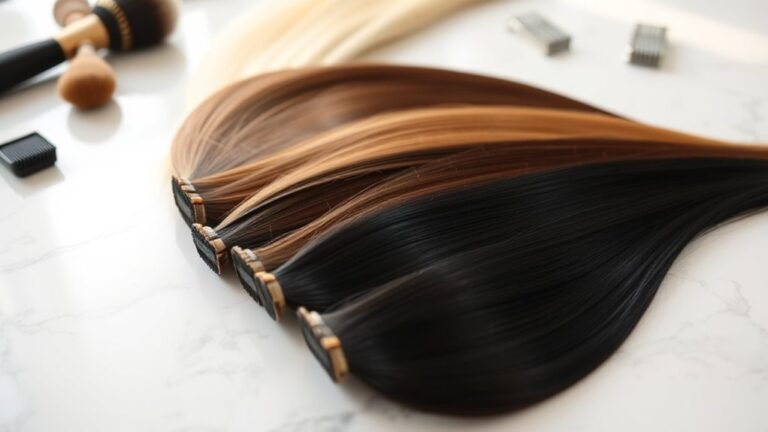
How to Remove a Quick Weave Safely and Effectively
Removing a quick weave should be done carefully to avoid damaging your natural hair or scalp. The goal is to take down the weave without pulling or breaking hair and to clean any remaining glue or braids gently. This can be done at home with the right tools and techniques or by visiting a professional stylist.
Quick weaves are popular for their versatility and convenience, allowing for easy style changes without long-term commitment. However, improper removal can lead to hair breakage, scalp irritation, and discomfort. Taking appropriate steps during removal protects the hair’s health and prepares it for the next styling phase.
This article covers effective methods to remove a quick weave, including preparing your hair, dealing with glue or adhesive, safely undoing braids, caring for your natural hair post-removal, and professional options. Following these guidelines will help you maintain strong and healthy hair throughout the process.
Preparing for Quick Weave Removal
Gathering Essential Tools and Products
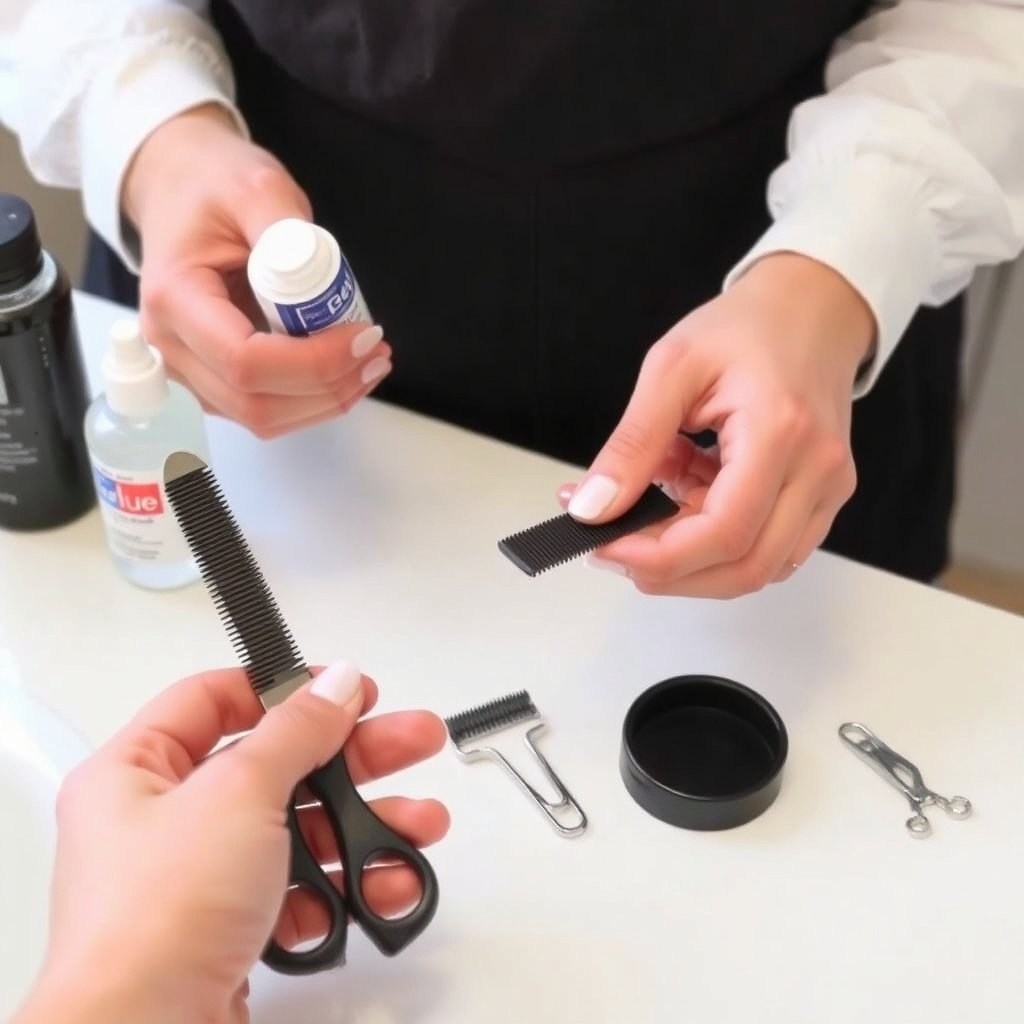
Before you start removing your quick weave, assemble all the necessary tools, including a wide-tooth comb, hair clips, a soft microfiber towel, and a glue or adhesive remover formulated for hair use. Having these ready will prevent interruptions and help you work carefully and efficiently.
Using a glue remover specifically designed to soften weave adhesive is crucial. Avoid harsh chemicals that can irritate your scalp or damage hair strands. A spray or gel formula designed for quick weaves is typically recommended because it provides controlled application and gentle removal.
- Wide-tooth comb for detangling
- Hair clips to section weave
- Hair-friendly glue remover
- Towel to protect clothing and catch hair
Creating a Comfortable Workspace
Find a well-lit, comfortable area where you can sit for an extended time without strain. Use a mirror, and possibly a handheld mirror, to see the back of your head clearly. Placing a towel around your shoulders can catch any loose hairs or glue residue.
Be patient and plan to work in small sections. Removing a quick weave can take time, especially when dealing with adhesive residue or tightly braided tracks underneath. Rushing increases risk of hair damage or scalp discomfort.
Removing the Quick Weave: Step-by-Step Guide

Loosening the Weave from the Scalp
Start by gently spraying or applying the glue remover at the edges of the weave where it adheres to your scalp or braids. Wait a few minutes to allow the product to soften the adhesive. Use fingers or a wide-tooth comb to carefully begin lifting the weave away, starting at the perimeter.
Avoid forcefully pulling or yanking the weave to prevent hair breakage. Work slowly, making sure the glue loosens before progressing to other sections. If the weave has sewn tracks, carefully undo any visible stitching, taking care not to pull on your natural hair.
- Apply glue remover sparingly
- Allow time for adhesive softening
- Use comb instead of pulling
- Undo stitches carefully
For more on this, see our related guide: Best Weave Hair: Top Picks and Buying Tips.
Removing Braids or Sewn Tracks Underneath
Once the weave is off, the cornrow braids or sewn tracks need to be taken down gently. Use scissors only on the sewn thread, never on your hair. Slowly unbraid each cornrow starting from the ends towards the scalp, using fingers or a comb to detach knots without breaking strands.
After unbraiding, wash your hair to remove any leftover glue or residues. A moisturizing shampoo is ideal as it helps soothe your scalp and restores moisture lost from wearing the weave. Follow up with a deep conditioner to nourish and strengthen your natural hair.
- Cut only sewing thread
- Unbraid starting from ends
- Use gentle shampoo and conditioner
- Rinse thoroughly to remove glue
Post-Removal Hair Care
Moisturizing and Repairing Your Hair
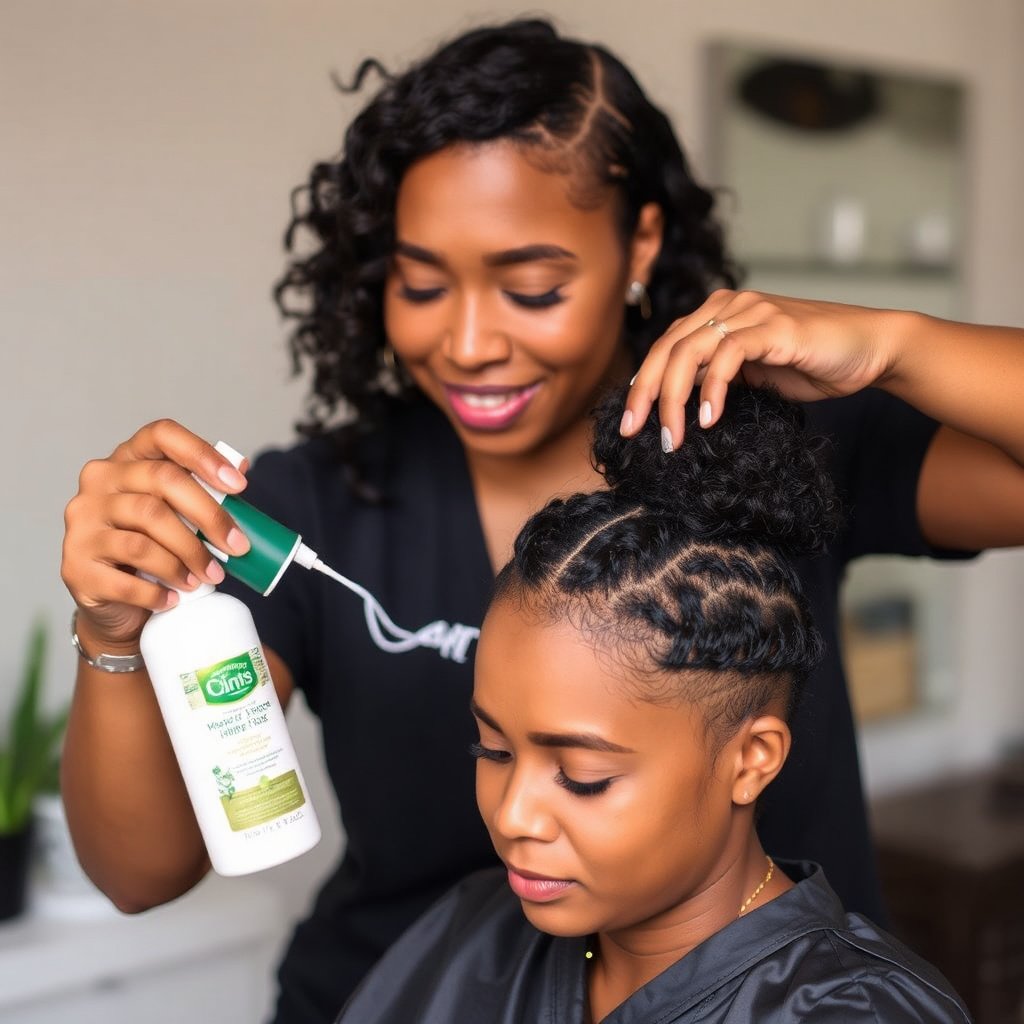
Post-weave, your natural hair may feel dry or fragile from the adhesive and braiding tension. Applying a rich conditioner or hair mask helps replenish moisture and rebuild strength. Look for products with natural oils like argan, coconut, or shea butter for effective hydration.
Regular scalp massages with lightweight oils encourage blood circulation and hair growth. Avoid tight hairstyles immediately after removal to give your scalp a break and reduce stress on new hair growth.
- Deep conditioning treatments
- Use oils for scalp nourishment
- Avoid tight hairstyles
- Schedule regular hair trims
Protecting Your Hair Moving Forward
Take care with subsequent styles by limiting the use of glue and heavy adhesives, which can cause buildup and damage. Protective styles like loose braids or twists without glue are good alternatives. Always cleanse your scalp regularly to prevent residue buildup.
Healthy hair habits extend beyond style choice—maintain a balanced diet, stay hydrated, and consider supplements like biotin or omega fatty acids to promote strong, resilient hair growth after removing your quick weave.
- Limit future glue use
- Consider gentle protective styles
- Maintain scalp cleanliness
- Support hair health nutritionally
Professional Removal vs. DIY Methods
Benefits of Professional Quick Weave Removal
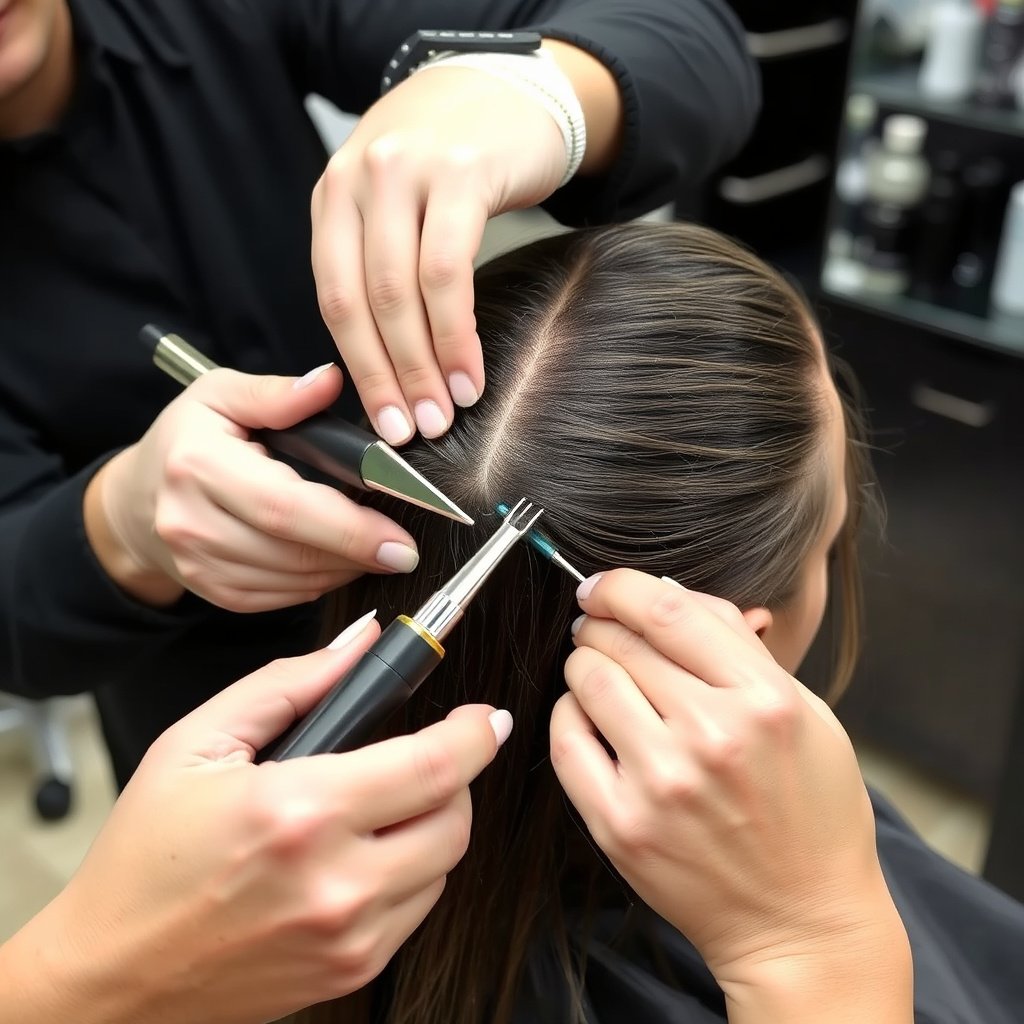
Going to a professional stylist for removal ensures minimal damage due to their expertise and access to specialized products. Professionals can detect weak spots, apply the correct removers, and undo stitches carefully without risking hair loss or scalp irritation.
Salons may also offer additional restoring treatments after removal, which can speed recovery and improve hair health compared to the standard home methods.
- Expert handling to prevent damage
- Use of salon-grade adhesives
- Access to restorative treatments
- Efficient and less stressful process
For more on this, see our related guide: Body Wave Weave Guide: What to Know Before You Buy.
When to Choose DIY Removal
DIY removal works well if your weave was applied with easy-to-remove glue or tape and you have the right tools and time on hand. It’s cost-effective and gives you control over the process but requires patience and careful handling to avoid hair damage.
Avoid attempting removal if your weave was heavily sewn or chemically bonded unless confident with haircare skills; consulting a professional is safer to protect your natural hair.
- Suitable for light glue applications
- Requires patience and tools
- Avoid if heavy sewing involved
- Cost-saving but riskier without experience
Common Mistakes to Avoid During Quick Weave Removal
Avoiding Hair Breakage and Scalp Damage
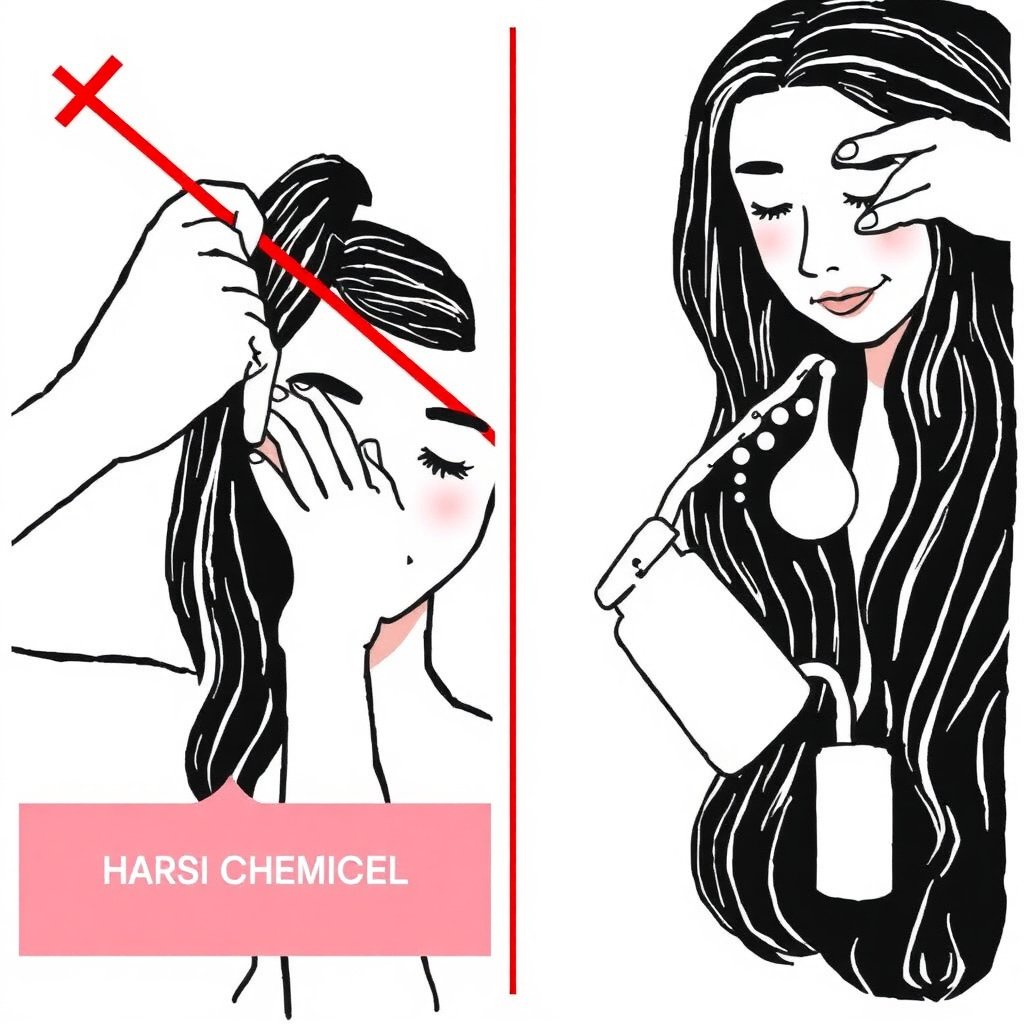
One major mistake is pulling the weave aggressively, which causes hair to snap and damages follicles. Harsh pulling can also lead to scalp irritation or even hair loss. Always soften glue first and remove sections gently rather than tugging.
Using harsh chemical solvents not designed for scalp use also risks burns or allergic reactions. Stick to gentle, hair-safe products and test small areas first to confirm tolerance.
- Do not tug harshly on weave
- Avoid strong solvents
- Test glue remover on skin
- Be gentle around scalp
To understand more about the quick weave technique and its structure, visit the detailed quick weave article on Wikipedia. quick weave.
Not Rushing the Process
Quick weave removal is time-consuming but quick attempts can lead to incomplete glue removal and damaged hair. Skipping steps or rushing sections increases the chance of pain and breakage.
Take breaks if needed, and work in small, manageable sections. Patience and thoroughness will prevent long-term hair issues.
- Work in small sections
- Take breaks if needed
- Avoid rushing steps
- Focus on gentle glue removal
Quick Weave Removal Methods Comparison
Compare popular quick weave removal methods based on ease, cost, damage risk, and suitable hair types to choose your best approach.
| Method | Ease of Use | Cost | Damage Risk | Best For |
|---|---|---|---|---|
| Professional Salon Removal | Easy | $$$ | Low | All hair types, heavy sewing |
| DIY with Glue Remover | Moderate | $ | Moderate | Light glue/tape weaves |
| Manual Untying & Combing | Hard | Free | High | Braided weaves without glue |
| Chemical Solvent Removal | Moderate | $ | High | Glue-heavy weaves (not recommended) |
Frequently Asked Questions
How long does it take to remove a quick weave at home?
Removing a quick weave at home typically takes between one to three hours depending on your experience, the amount of adhesive used, and how many tracks need removal.
Can I reuse a quick weave after removing it?
Most quick weaves are not reusable because adhesive residues and hair tangling affect quality. However, gentle cleaning may allow reuse if minimal damage occurred.
What should I do if my scalp feels irritated after removal?
If your scalp is irritated, use soothing treatments like aloe vera gel or an anti-inflammatory scalp serum. Avoid harsh shampoos and give the scalp rest before styling again.
Is it necessary to shampoo my hair after quick weave removal?
Yes, shampooing and conditioning after removal helps clear any leftover glue and debris, restores moisture, and promotes scalp health.
Can quick weave removal cause hair loss?
Improper removal techniques, such as pulling or using harsh chemicals, can cause hair loss. Gentle methods and using glue removers designed for quick weaves minimize this risk.
Key Takeaways
- Use specialized glue removers to safely loosen quick weave adhesive.
- Remove braids and sewn tracks slowly to prevent hair breakage.
- Moisturize and nourish hair thoroughly after removal.
- Consider professional removal for complex or glued weaves.
Conclusion
Successfully removing a quick weave depends on a careful approach focused on minimizing damage to your natural hair and scalp. Starting with the right tools and products, taking your time to soften glue, and gently removing braids or stitches are essential steps. Paying close attention to post-removal care helps restore hair health and prepares your scalp for future styles. Your hair should feel comfortable and nourished throughout the process, reflecting mindful treatment.
If you used light adhesive and feel confident, DIY removal with glue removers and sectioned detangling can be effective and affordable. However, heavily sewn tracks or stubborn glue are situations best handled by professional stylists who have the experience and products to protect your hair. After removal, focusing on moisture-rich treatments, gentle styling, and scalp nourishment promotes recovery. Regular trims and avoiding tight hairstyles reduce potential damage from subsequent styling.
To protect your hair’s health, evaluate the condition of your scalp and strands after removing your quick weave. Whether you choose to remove the weave yourself or seek professional help, prioritize slow, gentle techniques. Scheduling a deep conditioning treatment soon after removal is a practical next step. For those unsure about the procedure or worried about hair damage, consulting with a trusted haircare professional will provide safe guidance and peace of mind.