What Is a Lace Closure? Understanding This Essential Hairpiece
A lace closure is a hairpiece that mimics the natural scalp and hairline, typically used to close off a wig or sew-in weave installation. It provides a realistic appearance by blending with your natural hairline, offering versatility and protection for your own hair beneath. Lace closures come in various sizes and hair textures to match your style needs.
This piece plays a key role in hairstyles by allowing wearers to protect their natural hair, customize their look, and create a flawless finish that appears like natural hair growth. Understanding what a lace closure is can help you choose the right option for achieving a seamless, natural hairstyle without the damage of traditional weaving methods.
This article will explore the different types of lace closures, their construction materials, installation techniques, care tips, and how to select the best lace closure wig for your hair type and lifestyle.
What Is a Lace Closure and How Does It Work?
Definition and Purpose of Lace Closures
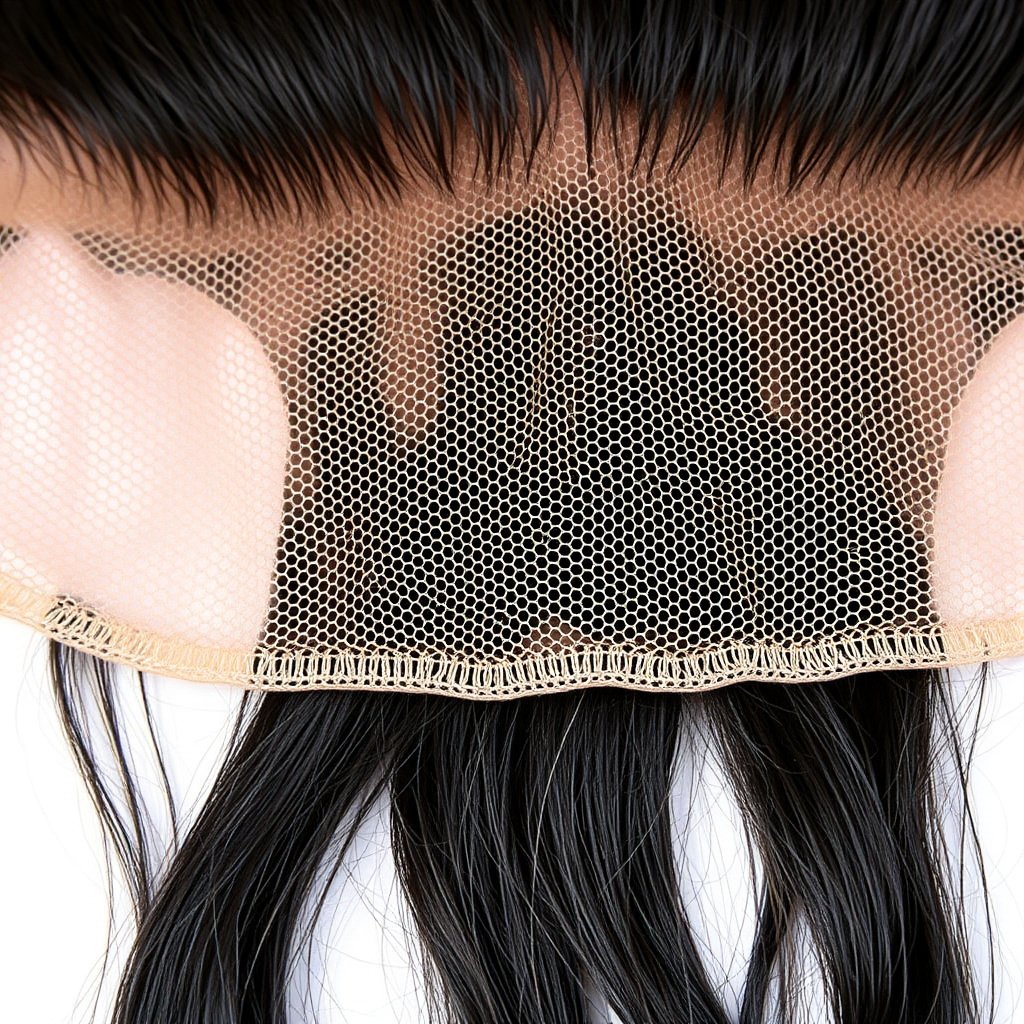
A lace closure is a small hairpiece made with a sheer lace base where hair strands are individually tied or ventilated. It is designed to cover a section of the scalp, typically at the crown or front hairline, giving a natural scalp-like appearance.
This piece allows you to protect your natural hair underneath by covering areas where damage from styling or coloring might occur, while providing a natural-looking finish to your hairstyle.
How Lace Closures Blend with Natural Hair
The lace material of the closure matches skin tones and scalp texture to create an undetectable hairline or parting. This seamless integration makes it appear as if hair is growing directly from your scalp.
Lace closures are often paired with sew-in weaves or wigs to close off hairstyles neatly, preventing tracks and glue from showing and enhancing aesthetic appeal.
Types of Lace Closures You Should Know

Different Lace Base Materials
The most popular lace types are Swiss lace, French lace, and silk base closures. Swiss lace is soft and thin, offering a more natural look but less durability. French lace is thicker, more durable with slightly less transparency.
Silk base closures use a layer beneath the lace that mimics the scalp with knots hidden under a thin silk layer, creating a flawless part appearance favored in lace closures.
- Swiss lace: soft and natural but delicate
- French lace: durable with moderate natural look
- Silk base: hides knots, ultra-realistic parting
For more on this, see our related guide: Transparent Lace Closure Guide: What to Know Before You Buy.
Lengths, Textures, and Hair Types
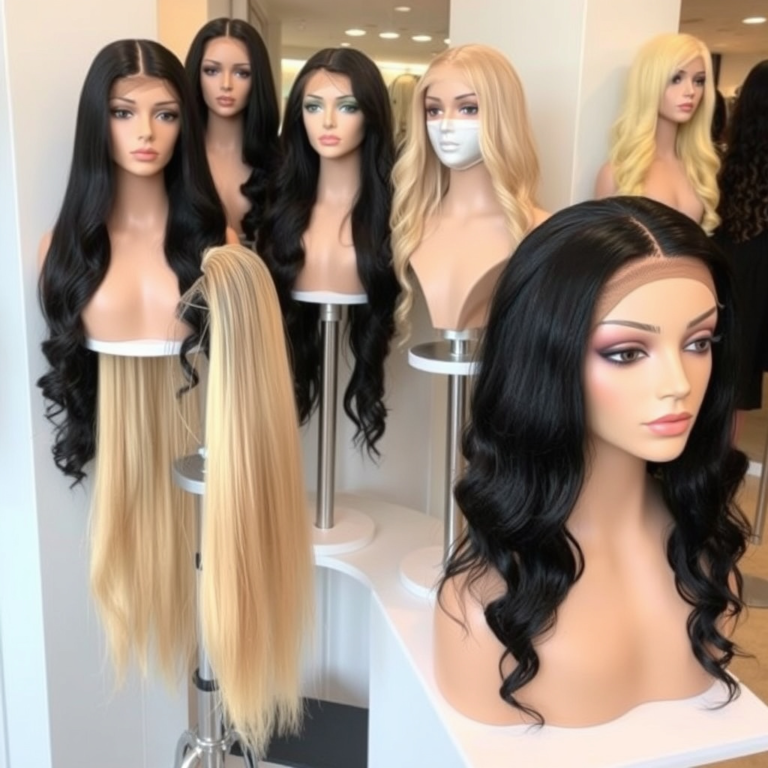
Closures come in lengths from short to long and in textures such as straight, wavy, or curly to match natural hair. Hair can be virgin, processed, or synthetic.
Selecting a closure that matches your natural hair texture is important for seamless blending and achieving a realistic finish.
Installing a Lace Closure: Methods and Tips
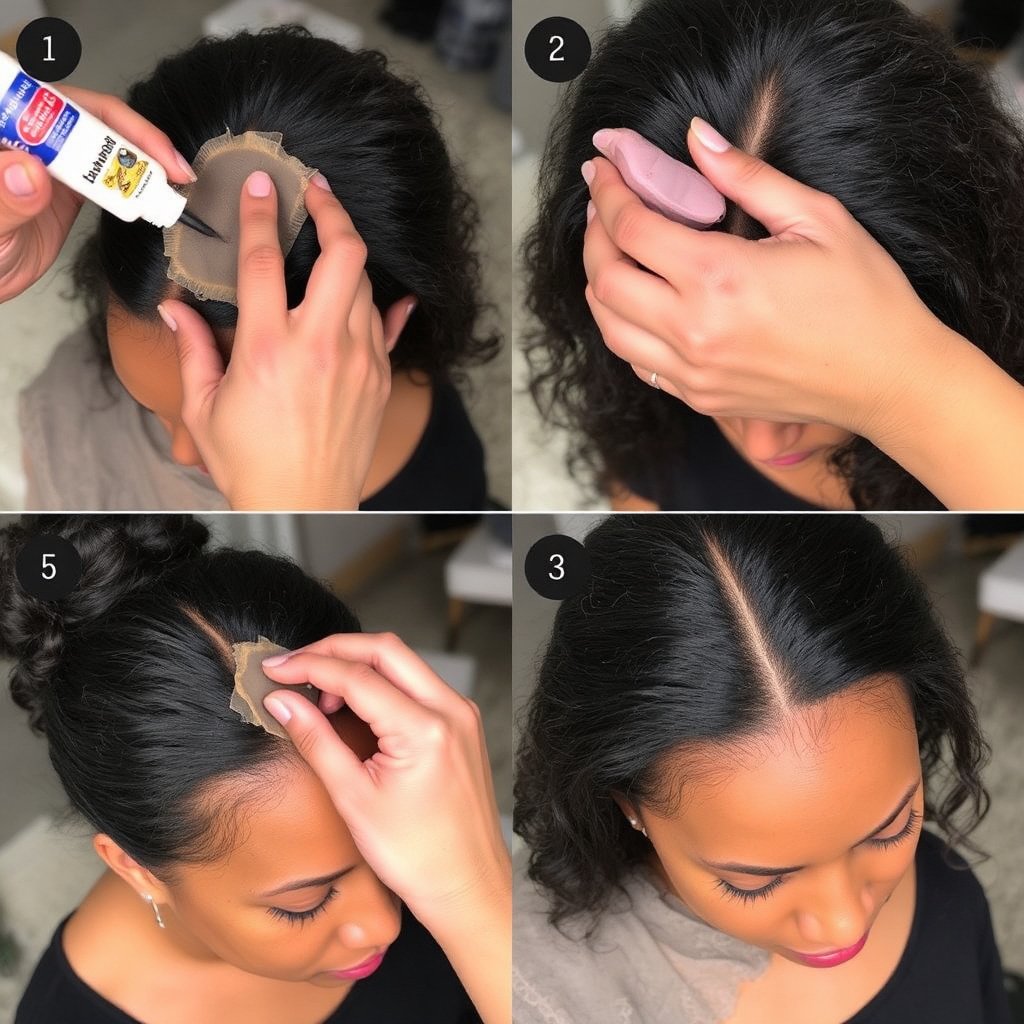
Sew-In vs. Glue Down Installation
A lace closure can be sewn into braids or attached using adhesive glue. Sew-in installation is more secure and less damaging over long periods, while glue down offers a quicker application but requires careful removal to avoid hair damage.
Choosing an installation method depends on lifestyle needs, scalp sensitivity, and maintenance preferences.
- Sew-in offers durability
- Glue down allows for flexible styling
- Avoid excessive glue to protect natural hair
Preparing Natural Hair for Closure Installation
Before installation, your natural hair should be clean, cornrowed, or flat braided to create a smooth base. Moisturizing and sealing your hair helps protect it.
Applying a skin tone match foundation or powder on the lace enhances the illusion of scalp and blends better with your complexion.
How to Care for Your Lace Closure for Longevity

Washing and Conditioning Your Closure
Regular washing with sulfate-free shampoos and deep conditioning keeps the hair soft and reduces tangling. Be gentle to avoid loosening the delicate lace knots.
Avoid hot water and harsh chemicals as they can weaken the lace material and alter the hair texture.
- Use mild shampoo
- Condition regularly
- Air dry on mannequin heads
For more on this, see our related guide: Your Guide to 4X4 Lace Closure Wigs: Choosing With Confidence.
Styling Tips to Maintain Natural Look
Use low heat settings when styling with flat irons or curling wands to prevent damage. A protective serum can be applied to reduce frizz and maintain shine.
Avoid heavy products that can weigh down the hair or clog the lace pores.
Choosing the Right Lace Closure Wig for You

Match Your Hair Goals and Lifestyle
Consider factors such as how often you want to wear the closure, your styling routine, and comfort. Tight lace closures lend a more natural hairline ideal for daily wear.
For occasional use, synthetic lace closure wigs can be cost-effective, but human hair lace closures offer better styling versatility and longevity.
- Human hair closures for longevity
- Synthetic options for budget
- Choose lace color matching skin tone
For additional technical details about lace closures and related hairpieces, you can visit the lace closure definition on Wikipedia. lace closure definition on Wikipedia.
Budget and Quality Considerations
Higher quality lace closures may cost more upfront but last longer and look more natural. Consider construction, hair source, and lace material quality when deciding.
Purchasing from reputable brands with transparent sourcing helps avoid synthetic closures disguised as natural hair.
Lace Closure Types Comparison
Here’s a comparison of popular lace closure types based on appearance, durability, and cost to help you decide.
| Lace Type | Appearance Realism | Durability | Cost Range | Best For |
|---|---|---|---|---|
| Swiss Lace | Very Natural | Moderate | $$ | Everyday wear with delicate care |
| French Lace | Natural | High | $$$ | Long-term use and durability |
| Silk Base | Ultra-Realistic | High | $$$$ | Flawless scalp appearance |
| Synthetic Lace Closure | Less Natural | Low | $ | Budget options, occasional use |
Frequently Asked Questions
How long does a lace closure last?
With proper care, a high-quality lace closure can last between 6 months to a year, depending on usage frequency and maintenance.
Can I color or style my lace closure hair?
Human hair lace closures can be colored and heat styled, while synthetic lace closures should be avoided for such treatments as they may melt or become damaged.
Is a lace closure suitable for all hair types?
Lace closures are versatile and come in textures matching various hair types, but it's best to select one that closely resembles your natural hair for a seamless blend.
How do I clean glue from my lace closure?
Use a gentle adhesive remover specifically made for lace, avoiding harsh chemicals, and rinse thoroughly before washing to prevent damage.
Can I install a lace closure myself?
While some experienced individuals install lace closures themselves, professional installation is recommended to achieve the best natural look and avoid damage.
Key Takeaways
- Lace closures create a natural scalp appearance to finish sew-in weaves or wigs.
- Different lace types affect durability and realism; silk base offers the most natural look.
- Proper installation and maintenance extend the life and appearance of lace closures.
- Choosing the right closure depends on hair texture, lifestyle, and budget.
Conclusion
Choosing a lace closure involves balancing aesthetics, comfort, and hair protection. By understanding the available lace materials and hair textures, you can select a piece that blends seamlessly with your natural hairline and suits your styling needs. Paying attention to installation methods also contributes heavily to the final look and longevity of your hairstyle.
If you want a highly natural look with long-term wear, silk base lace closures paired with human hair textures are an excellent choice. For budget-conscious users or occasional use, Swiss lace or synthetic lace closures provide reasonable alternatives, albeit with shorter lifespans. Your lifestyle and frequency of wear should guide your decision.
Next steps include assessing your hair texture and color, deciding on the lace type that matches your skin tone, and consulting with a stylist or reputable vendor. Proper care and maintenance routines will keep your lace closure looking fresh, helping you enjoy versatile styling options without sacrificing your natural hair health.