How to Braid Hair Under a Wig for a Natural, Comfortable Fit
Braiding hair under a wig is a key step to achieve a smooth, natural appearance while ensuring the wig fits securely and comfortably. The most common method is to create flat, close-to-the-scalp braids, such as cornrows or simple three-strand braids, that lie as flat as possible. This prevents bumps and unevenness under the wig cap, helping the wig sit properly without shifting.
Many wig wearers braid their natural hair to protect it from friction and styling damage caused by the wig, keeping strands neat and tangle-free. Well-done braids also offer a secure foundation for different wig cap designs, contributing to overall comfort, especially for longer periods of wear or active use.
This article explores the best ways to braid hair under a wig, including different braiding styles, tips on prepping hair before braiding, and advice on maintaining scalp health. You'll also find comparisons of popular braid types and recommendations for wig wearers at various experience levels.
Understanding Why Proper Braiding Under a Wig Matters

How Braids Affect Wig Fit and Appearance
Braids that are flat and secure help the wig sit flush against the scalp, preventing bumps that can distort the wig’s shape. Managing volume under the wig makes the overall style appear more natural and smooth.
Bulky or uneven braids can push the wig upward or cause uncomfortable pressure points, leading to shifting or slippage throughout the day.
Protecting Natural Hair Through Braiding
Braiding locks hair strands together, reducing friction caused by wig movement and daily handling. This lowered friction limits hair breakage and tangling, benefiting long-term hair health.
Braids also make it easier to maintain scalp hygiene and provide a neat surface to attach wig caps or adhesives securely.
Choosing the Best Braiding Techniques for Wig Wearers

Cornrows: The Classic Flat Braids
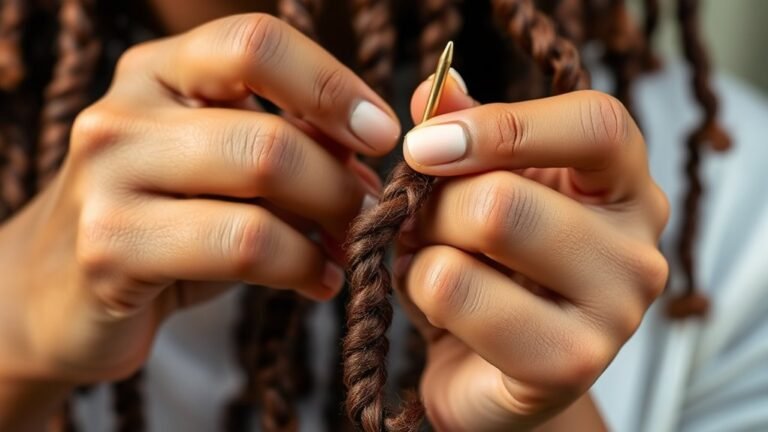
Cornrows are among the most popular braiding styles for wig wearers because they lie very flat against the scalp. Small, tightly braided rows reduce bulk and allow the wig cap to sit smoothly.
They're versatile and can be styled in straight lines, curves, or intricate patterns depending on preference, and they help secure hair evenly across the scalp.
- Minimizes bumps under the wig
- Can be done in various patterns
- Suitable for most hair textures
Simple Three-Strand Braids for Beginners
If cornrows feel too complicated, three-strand braids are simpler to execute and still function well under wigs. Focus on braiding close to the scalp and using thin sections to keep braids flat.
These braids are easier to install and remove, making them good for wig wearers new to braiding or those who change wigs frequently.
- Easy to learn and maintain
- Gentler on scalp than tight cornrows
- Works well under thicker wig caps
Preparing Hair for Braiding Under a Wig
Cleaning and Detangling
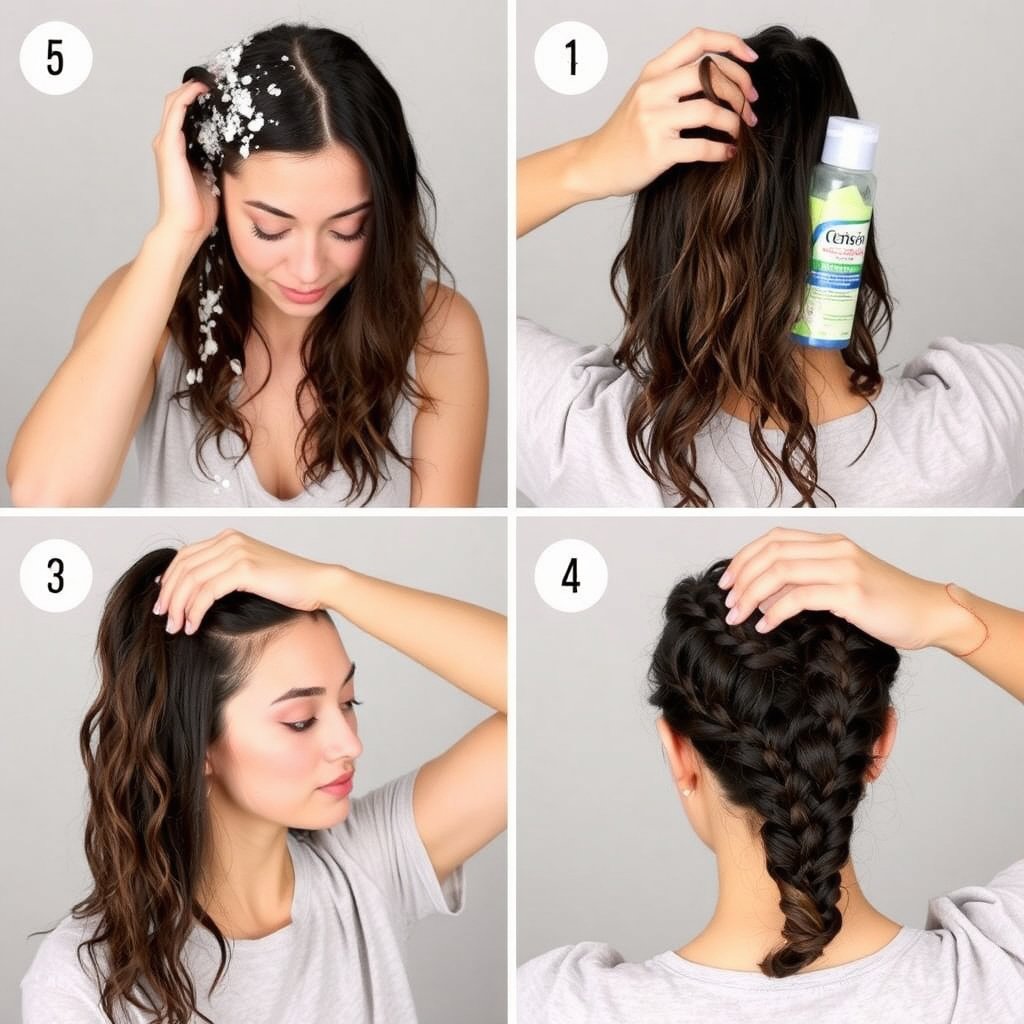
Start with freshly washed hair to remove oils and buildup that might make braids slip or feel uncomfortable under the wig. Use a gentle shampoo and conditioner suitable for your hair type.
Thoroughly detangle hair using a wide-tooth comb or detangling brush to prevent snagging or breakage during braiding.
For more on this, see our related guide: Do Wigs Damage Your Hair? The Complete Answer.
Moisturizing and Protecting Hair
Apply a leave-in conditioner or lightweight moisturizer to keep hair hydrated. Dry hair poses a higher risk of breakage during tight braiding.
Consider using a protective serum or natural oil to lock in moisture and add shine. Avoid heavy products that could cause buildup under the wig.
Step-by-Step Guide to Braiding Hair Under a Wig

Sectioning Hair for Consistent Braids
Divide your hair into even sections based on the number and size of braids desired. Use clips or hair ties to hold unbraided hair out of the way and maintain clean part lines.
Consistent sectioning helps the braids lie flat and evenly distribute hair volume, reducing lumps beneath the wig.
- Use a rattail comb for precise parting
- Work with manageable small sections
Braiding and Securing Ends
Braid tightly enough to keep hair secure but not so tight that it causes scalp discomfort or tension-related damage. Stop braiding a few inches from the ends to avoid breakage.
Secure braid ends with small hair elastics or bands, selecting snag-free options to prevent hair damage or snagging under the wig cap.
- Avoid overly tight braids
- Use small, smooth hair elastics
Maintaining Scalp Health While Wearing Braids and Wigs

Keeping the Scalp Clean and Moisturized
Regularly cleanse the scalp using a gentle spray cleanser or diluted shampoo without disturbing the braids. Maintaining cleanliness reduces itchiness and build-up.
Moisturize the scalp daily with lightweight oils or lotions to prevent dryness, which can be aggravated by prolonged wig wear.
For more on this, see our related guide: Your Guide to Bun Hair Piece: Choosing With Confidence.
Avoiding Tension and Hair Loss
Do not braid too tightly to avoid pulling on hair follicles, which can lead to traction alopecia. Give your scalp breaks from braiding and wig usage when possible.
Monitor for any signs of irritation or discomfort and adjust braid tightness or wig cap fit accordingly.
Tips for Securing Your Wig Over Braided Hair

Using Wig Caps and Adhesives
Choose a wig cap designed for braids to hold hair securely and smooth the scalp. Mesh or nylon caps allow ventilation, improving comfort under the wig.
If adhesive or tape is used, apply carefully over the wig cap, never directly on braids, to avoid loosening them or irritating hair roots.
- Select caps with breathable materials
- Avoid adhesives directly on hair
For more detailed information on various braiding styles and their history, check out this braiding techniques overview at Wikipedia. braiding techniques overview at Wikipedia.
Adjusting Wig Fit for Comfort
Many wigs offer adjustable straps or combs inside to customize fit and prevent slippage. Adjust these after braiding to accommodate the added hair volume.
Test the wig’s fit throughout the day and reposition if pressure points develop, to maintain comfort over long periods.
- Use adjustable wig straps
- Check and reposition during wear
Comparison of Braiding Styles for Wig Wearers
Here’s a comparison of four popular braiding styles used under wigs, highlighting ease, fit, and protection benefits.
| Braiding Style | Ease of Braiding | Flatness Under Wig | Hair Protection | Best Use Case |
|---|---|---|---|---|
| Cornrows | Intermediate | Very Flat | High | Long-term wig wearers |
| Three-Strand Braids | Easy | Moderately Flat | Moderate | Beginners and frequent wig changers |
| Box Braids | Advanced | Less Flat | High | Protective styles with longer wear |
| Twists | Moderate | Moderate | High | Curly hair textures needing gentle styling |
Frequently Asked Questions
Can I braid my hair too tightly under a wig?
Yes, overly tight braids can cause scalp pain, tension headaches, and hair damage like traction alopecia. It’s important to braid snugly but comfortably to protect your hair and scalp.
How long do braids under a wig typically last?
Braids meant for wig understyles usually last between 2 to 4 weeks, depending on hair type, braid style, and scalp care. Regular moisturizing and gentle handling can extend braid life.
Should I use a wig cap over braided hair?
Yes, a wig cap smooths the surface, holds braids securely, and prevents the wig from slipping. It also protects braids from rubbing directly against the wig fibers.
What if my hair is very short or thin?
For short or thin hair, smaller braids or twists can help keep hair flat under the wig. Sometimes, a braided wig grip or special cap enhances hold without needing large braids.
Can moisturizing my hair interfere with braiding under a wig?
Using lightweight moisturizers before braiding keeps hair supple and prevents breakage, which is beneficial. Avoid heavy or oily products that can cause buildup and affect wig adhesion.
Key Takeaways
- Flat, close-to-scalp braids like cornrows provide the smoothest base for wigs.
- Proper hair preparation including cleaning and moisturizing is essential before braiding.
- Braids protect natural hair from damage caused by wig wear and friction.
- Maintaining scalp health and proper wig fit improves comfort during prolonged wear.
Conclusion
Selecting the right method for braiding hair under a wig involves balancing comfort, protection, and the desired look. Flat braids such as cornrows are often the best choice for creating a secure, natural foundation that minimizes bulk and allows the wig to sit evenly. Preparing hair beforehand by cleaning and moisturizing helps prevent damage and supports a neat braid installation.
For beginners or those switching wigs frequently, simpler three-strand braids may meet your needs while being easy to manage. Advanced styles like box braids or twists suit protective or long-term wear but can add volume under the cap. Maintaining scalp health by moisturizing and avoiding tension ensures your natural hair remains strong regardless of the braid style you choose.
Your next step should be to practice braiding techniques suited to your hair type and wig usage habits. Experiment with using a proper wig cap over your braids and adjust the wig fit accordingly. With these steps, you’ll enjoy a natural look and comfortable experience wearing your wig every day.