How to Put on a Wig Cap: Step-by-Step Guide for a Secure Fit
Putting on a wig cap correctly creates a smooth, secure base that keeps your wig in place and preserves your natural hair underneath. To put on a wig cap, gather all your hair, use the elastic band of the cap to stretch it around your head, starting at the forehead and then pulling it to the nape of your neck. Adjust the cap to ensure no loose strands stick out and that it fits snugly without discomfort.
Wig caps serve a practical purpose: they protect your natural hair from friction, control stray hairs, and help the wig lay flat for a flattering look. A proper foundation impacts both comfort and the overall appearance, making wig wearing feel more natural and stable throughout the day.
This article will cover different wig cap types, their sizes, how to secure your hair under the cap, tips for choosing quality caps, and troubleshooting common fit issues. Whether you’re a first-time wig wearer or looking to improve your method, these detailed pointers will help you master putting on a wig cap.
Understanding Different Types of Wig Caps

Mesh and Nylon Wig Caps
Mesh and nylon wig caps are popular choices due to their breathability and lightweight feel. Mesh caps have small holes allowing air circulation, ideal for warmer climates or all-day wear. Nylon caps are smooth with some stretch, which helps hold hair firmly in place without adding bulk.
Because these caps are thin, they provide a natural-looking base beneath wigs, reducing visible bumps or uneven textures. They're also generally easy to wash and reuse, making them a practical go-to for many wig users.
Cotton and Lace Wig Caps
Cotton wig caps offer softness and absorption, making them comfortable if you have sensitive skin or scalp. They tend to be less stretchy but do a good job keeping hair contained, especially for thicker textures.
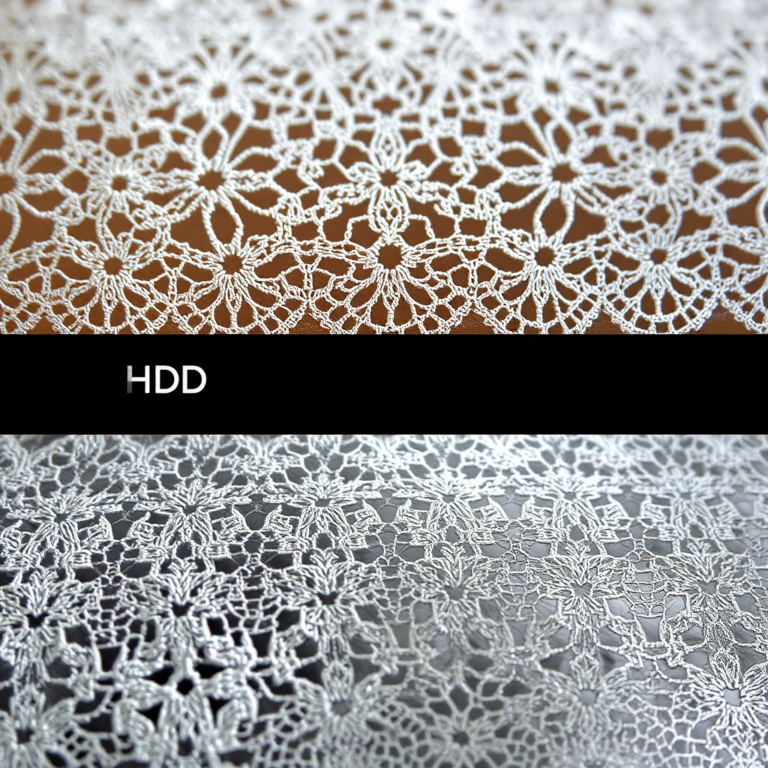
Lace caps often serve as the foundation for lace front wigs. They provide a sheer, nearly invisible base along the front hairline, giving a very natural look. Lace caps require careful handling to avoid tearing but enhance the wig cap’s realistic appearance.
Preparing Your Hair Before Putting on a Wig Cap

For Short and Medium Hair
If your hair is short or medium length, comb or flatten it as much as possible against your scalp. You can smooth hair using light gel or styling cream to minimize flyaways. Applying a wig cap over flat hair helps create an even surface and prevents bumps under the wig.
Gather your hair towards the back of your head and tuck it under the wig cap’s elastic edge to keep everything contained. This method ensures the wig cap stays firm and distributes tension evenly to avoid discomfort.
- Use gel to smooth hair
- Comb hair flat against scalp
- Tuck hair into cap's elastic band
For Long or Thick Hair
Long or thick hair requires extra steps to reduce bulk. Begin by braiding, twisting, or cornrowing your hair close to your scalp. This reduces volume and helps the wig cap fit securely.
After braiding, put on the wig cap by stretching it over the forehead first, then pulling it to the nape. Adjust so no strands peek out. In some cases, double cap layering improves smoothness and hold.
- Braid hair tightly
- Pull cap from forehead to nape
- Consider double caps for volume control
Step-by-Step Process for Putting on a Wig Cap
Stretching and Placement
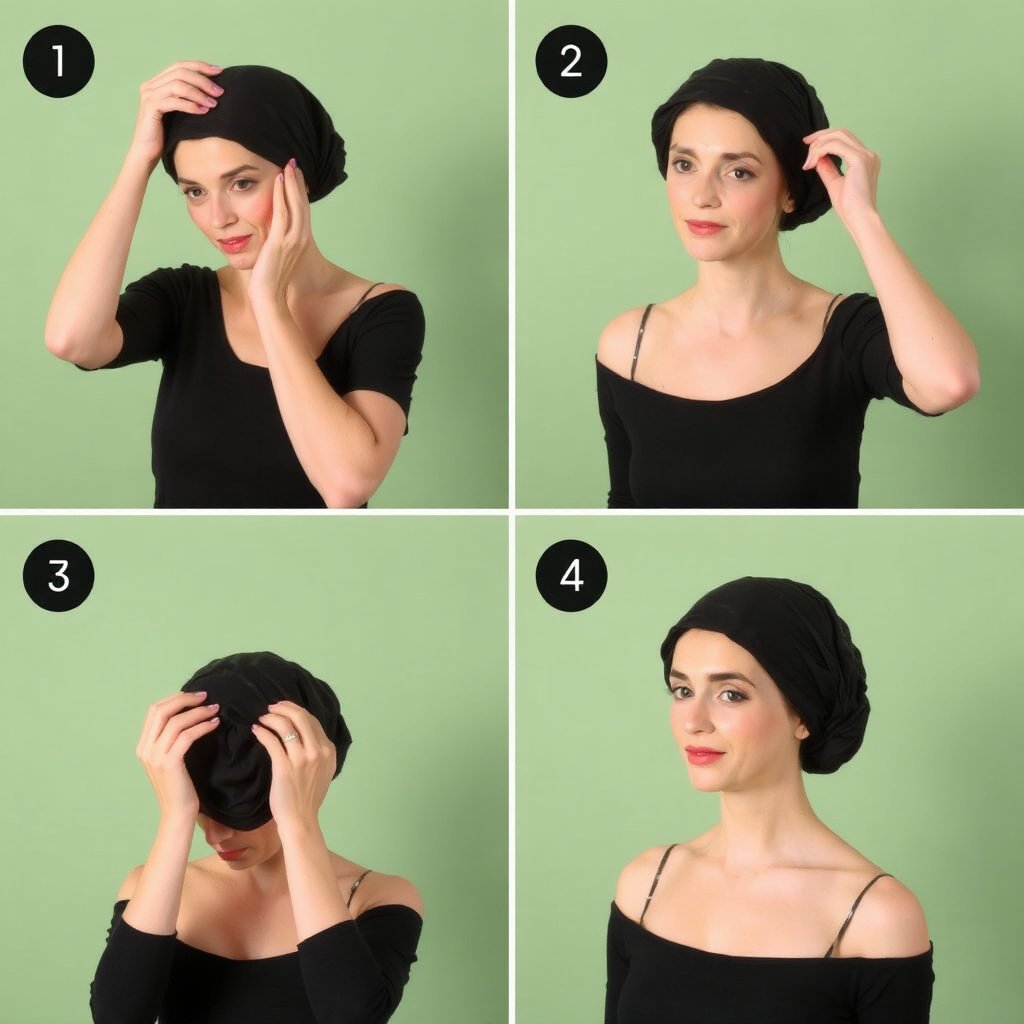
Hold the wig cap by the edges and stretch it open to fully free the elastic band. Place the front edge at your hairline centered over your forehead. Slowly pull the cap back over your head, tucking hair under as you go.
Make sure the cap covers your entire scalp evenly without gaps or wrinkles. You want a snug but comfortable fit, where the band rests just above your ears and neck without pinching.
- Stretch cap wide before placing
- Start at forehead hairline
- Pull cap down evenly to nape
For more on this, see our related guide: Do Wigs Damage Your Hair? The Complete Answer.
Final Adjustments and Tips
Once the wig cap is positioned, gently press down on the scalp area with your fingertips to smooth out bumps or lumps. Adjust any loose hairs escaping around the edges by tucking them under or using bobby pins if necessary.
Allow a moment to check the cap's comfort level. A slight tension is normal, but if it feels too tight or itchy, remove it and reposition or try a different cap size for better fit.
- Smooth cap with fingertips
- Tuck loose hairs under cap
- Use pins for extra security if needed
Choosing the Best Wig Cap for Your Natural Look

Materials and Skin Sensitivity
For a natural look, select a wig cap material that matches your scalp tone and feels comfortable against your skin. Nylon and lace caps excel at being discreet under wigs. If you have sensitive skin, consider cotton wig caps for breathability and softness.
Avoid caps that are too thick as they can create bulk or make the wig appear unnatural. Testing different materials helps identify which works best with your complexion and the type of wig you wear.
- Match cap color to scalp tone
- Choose breathable fabrics
- Avoid thick caps that add bulk
Cap Size and Adjustability
Proper size is key for a secure fit. Most wig caps come in standard sizes with some elasticity, but if your head circumference differs, adjustable caps or those with hook-and-eye closures give custom fit options.
A well-fitting cap minimizes shifting and improves wig comfort for extended wear. Measure your head before purchasing to select the correct size.
- Measure head circumference
- Look for adjustable closure options
- Prioritize snug but not tight fit
Common Fit Issues and How to Fix Them

Dealing with Slippage
If your wig cap tends to slip during the day, first check the size and adjustability. A cap that's too large lacks hold. You can use wig grip bands or silicone strips along the hairline to increase friction.
Another tactic is securing the wig cap with bobby pins at the edges behind your ears, which anchors it discreetly without discomfort.
- Use grip bands for extra hold
- Try silicone strips
- Pin cap edges with bobby pins
For more on this, see our related guide: Are Lace Front Wigs Worth It? The Complete Answer.
Avoiding Bumps and Uneven Surfaces
Bumps often happen when hair isn’t smooth or the cap is placed unevenly. Always flatten hair by braiding or slicking back before applying the cap. When putting on the cap, smooth it out carefully from front to back.
If bumps persist, two thin wig caps layered together can create a firmer, flatter base. Rotate your application technique to reduce recurring issues.
- Braid or slick back hair before cap
- Smooth cap carefully during placement
- Layer two thin caps for flatness
Maintaining and Washing Your Wig Cap
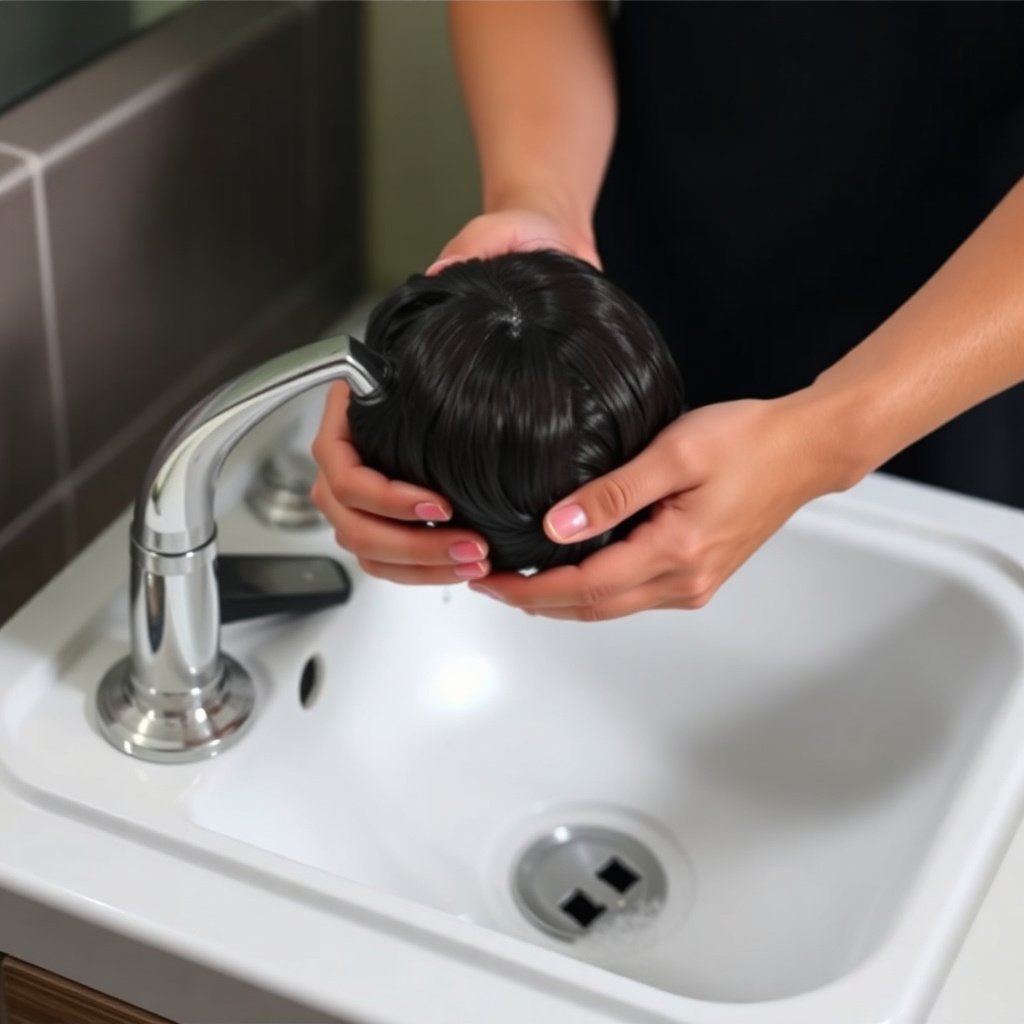
Cleaning Frequency and Methods
Wig caps accumulate oils, sweat, and dirt with regular use, so cleaning once every 1-2 weeks is recommended depending on wear frequency. Hand wash in cool water with mild detergent to avoid damaging elasticity or fabric.
Avoid wringing or machine washing as this can distort the shape. Lay flat or hang to dry naturally while retaining original form.
- Hand wash with mild detergent
- Avoid machine washing
- Air dry flat or hanging
For additional details about wigs and wig caps, you can visit the comprehensive Wig article on Wikipedia. Wig cap information on Wikipedia.
Storage Tips to Preserve Shape
Store wig caps flat in a clean, dry space away from direct sunlight which can weaken fibers. Folding or bunching may stretch the elastic or cause permanent creases.
Keeping caps separate from heavier wig hairpieces prevents snagging and deformation, extending their usability.
- Store flat in dry area
- Avoid sunlight exposure
- Keep separate from wigs
Types of Wig Caps Compared
Here’s a quick comparison of common wig cap types outlining their key features to help you choose.
| Type | Breathability | Comfort | Durability | Best Use Case |
|---|---|---|---|---|
| Mesh | High | Good | Moderate | Warm weather, everyday wear |
| Nylon | Moderate | Good | High | Secure fit, versatile wigs |
| Cotton | Moderate | Excellent | Moderate | Sensitive skin, comfort focus |
| Lace | Low | Good | Fragile | Natural hairline wigs |
| Double Layer | Low | Comfort varies | Depends on material | Control volume, reduce bumps |
Frequently Asked Questions
Can I put on a wig cap without braiding my hair?
Yes, short or medium hair can be smoothed flat without braiding, but braiding or twisting is recommended for long or thick hair to reduce bulk and create a smooth surface under the wig cap.
How do I prevent my wig cap from slipping?
Using grip bands, silicone strips, or securing the cap edges with bobby pins can help prevent slipping. Ensuring the wig cap is the correct size and fit also improves hold.
How often should I wash my wig cap?
Wig caps should ideally be washed every one to two weeks depending on wear. Hand washing with mild detergent and air drying helps maintain their shape and elasticity.
What wig cap is best for a natural look?
Lace and nylon caps are best for a natural look because they provide a thin, nearly invisible base under wigs, helping hairlines appear more realistic.
Is it okay to wear two wig caps at once?
Yes, wearing two thin wig caps can help create a firmer and flatter surface, especially useful if you have thick hair or want to reduce bumps beneath the wig.
Key Takeaways
- Stretch the wig cap starting at your forehead for an even fit.
- Prepare hair by braiding or smoothing for long or thick hair.
- Choose cap material and size based on comfort and natural appearance.
- Use pins or grip aids to prevent slippage and smooth bumps.
Conclusion
When putting on a wig cap, the goal is to create a smooth, secure foundation that holds your hair neatly and helps your wig fit comfortably and look natural. This requires properly preparing your hair, selecting the right cap type and size, and carefully placing the cap to avoid bumps and slippage. Attention to these details will improve how your wig sits on your head and greatly enhance your confidence wearing it.
If you have shorter hair, a basic nylon or mesh cap usually works well, allowing breathability and firmness without bulk. For longer or thicker hair, options like double-layer caps or lace caps that blend with your hairline can deliver a more polished result. Also, consider skin sensitivity when choosing between nylon, lace, or cotton wig caps to maintain scalp comfort throughout the day. Accessories like wig grip bands or bobby pins can further improve the fit and security for active wearers.
Start by measuring your head to pick an appropriately sized wig cap, then experiment with different materials and hair preparations to find what aligns best with your needs. With practice, putting on a wig cap becomes routine and quick, setting the stage for your perfect wig styling. If you’re new to wigs, try a soft nylon cap and gentle hair smoothing techniques, then explore lace or mesh caps as you grow more comfortable. This simple foundational step makes a notable difference in wig wearability and appearance.