
Which Wig Is Best for Beginners? A Clear Guide to Finding Your Perfect Starter Wig
If you're new to wearing wigs, the best wig for beginners is often a synthetic lace front wig. These wigs are easy to wear, require minimal maintenance, and provide a natural appearance without the need for advanced styling skills. Synthetic wigs also come pre-styled, making them ideal for those just starting out.
Choosing the right beginner wig matters because it can significantly impact your comfort, confidence, and ease of use. A well-chosen wig not only looks great but also feels natural, helping you get accustomed to wig-wearing without frustration or discomfort. Considering factors like material, cap construction, and size will help you find a wig that suits your lifestyle and preferences.
This guide will cover different wig types perfect for beginners, how to pick the right material and cap style, tips for selection and care, and answers to common questions. By the end, you'll be ready to choose a wig that fits your needs and enhances your look effortlessly.
Understanding Wig Types for Beginners

Synthetic Wigs: Easy and Affordable
Synthetic wigs are crafted from man-made fibers designed to mimic the look and feel of natural hair. They require low maintenance since they come pre-styled and retain their shape after washing, making them popular among beginners.
Besides affordability, synthetic wigs offer a wide range of styles and colors, allowing beginners to experiment without a big commitment. However, they are less heat-resistant and may not last as long as human hair wigs.
- Pre-styled and ready to wear
- Lower cost compared to human hair wigs
- Limited heat styling options
- Ideal for short-term or occasional use
Human Hair Wigs: Natural Look and Flexibility
Human hair wigs provide the most realistic appearance because they are made from real human hair. They can be styled with heat tools, dyed, and treated just like natural hair, giving beginners flexibility as they gain confidence.
The main downsides are the higher price and increased care required to maintain them. For beginners wanting a natural look and long-term wig investment, human hair wigs are excellent but may require a learning curve.
- Highly natural appearance
- Can be styled with heat and dye
- Requires regular maintenance
- Higher initial cost
Cap Construction and Comfort for New Wig Wearers
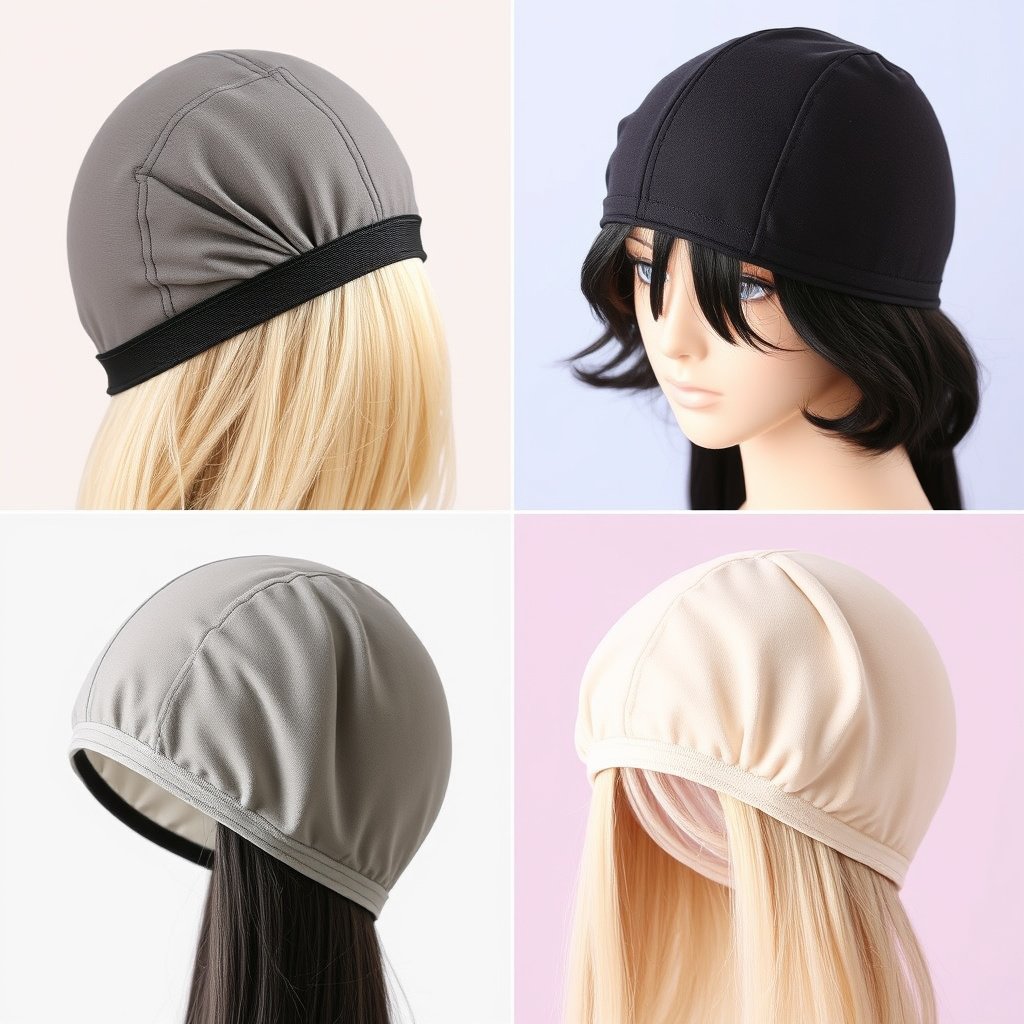
Lace Front Caps: Natural Hairlines Made Simple
Lace front wigs have a sheer lace panel at the front that mimics a natural hairline, helping beginners achieve a realistic look easily. The lace blends with your skin tone and allows for styling away from the face.
These caps usually come with adjustable straps and combs inside to keep the wig secure and comfortable for long wear. Lace front wigs balance realism with ease of use, making them a favorite for newcomers.
- Natural-looking hairline
- Adjustable fit with straps and combs
- Breathable material for comfort
- Suitable for beginners seeking realism
Capless and Full Cap Wigs: Lightweight and Affordable
Capless wigs feature wefts sewn onto strips with open spaces to allow airflow, making them lightweight and cool. Full cap wigs cover the entire scalp with a solid base and typically cost less.
While these caps may not look as natural as lace front designs, they provide comfort and budget-friendly options for beginners who want simple and quick solutions to try wigs.
- Lightweight and breathable options
- More affordable than lace front caps
- Less natural-looking hairline
- Good for casual, everyday wear
Selecting the Right Wig Length and Style
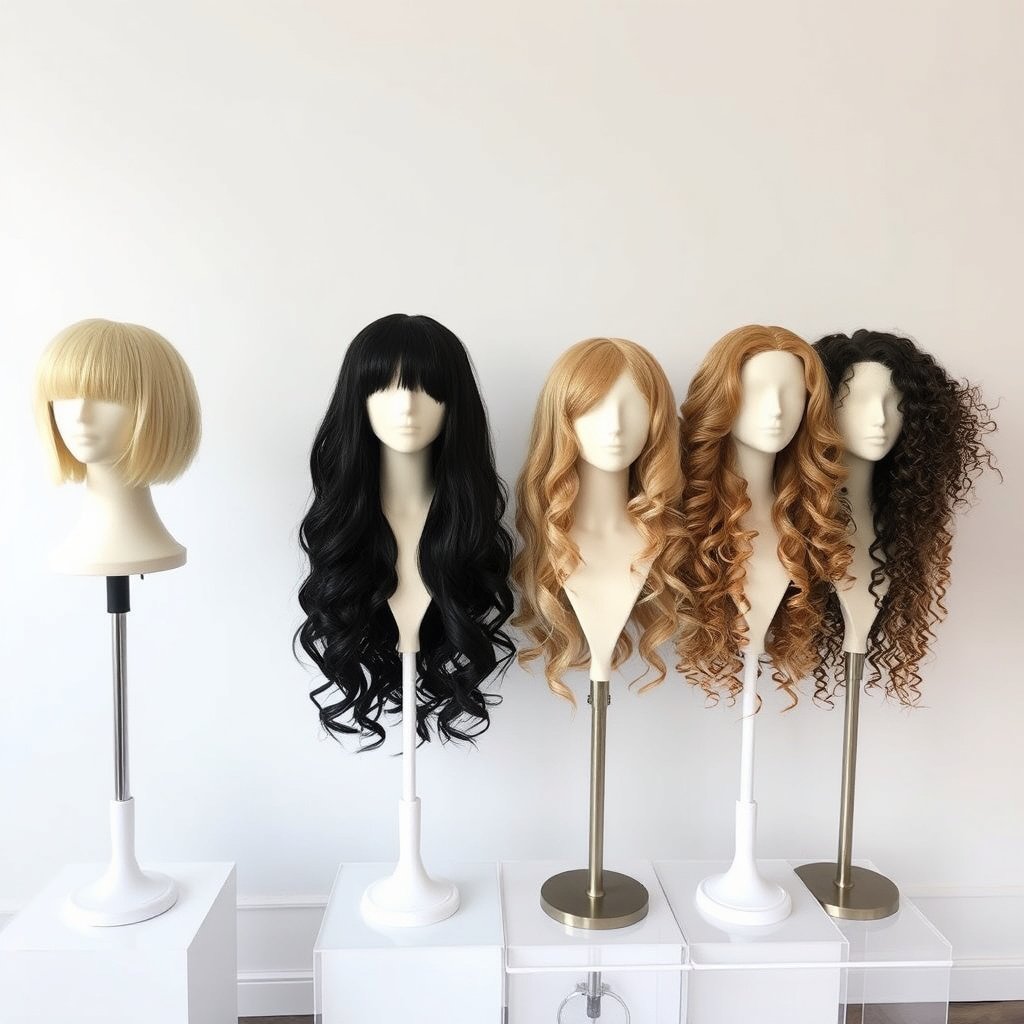
Short Wigs: Manageable and Beginner-Friendly
Short wigs are often more manageable and less intimidating for beginners. They require minimal styling and are easier to wear daily. Pixie cuts, bobs, and layered short styles are popular for first-timers.
They also tend to feel lighter on the head, making adjustment easier. For those new to wigs, a short synthetic lace front wig can be an excellent choice to start with.
- Easier to style and maintain
- Lightweight and comfortable
- Ideal for casual and professional settings
- Costs typically lower than long wigs
For more on this, see our related guide: What Is a Lace Wig? A Complete Guide to Choosing and Wearing Lace Wigs.
Long Wigs: Versatile but Require Care
Long wigs offer styling versatility but can be more challenging for beginners due to tangling and required upkeep. They may also feel heavier and require more secure fitting to prevent shifting.
Beginners interested in long wigs should consider high-quality synthetic lace fronts or human hair options with layered cuts to reduce bulk and improve manageability.
- Wide styling possibilities
- Need regular detangling and care
- Can feel heavier during wear
- Best for users ready to maintain their wig
How to Care for Your Beginner Wig

Cleaning and Maintenance Tips
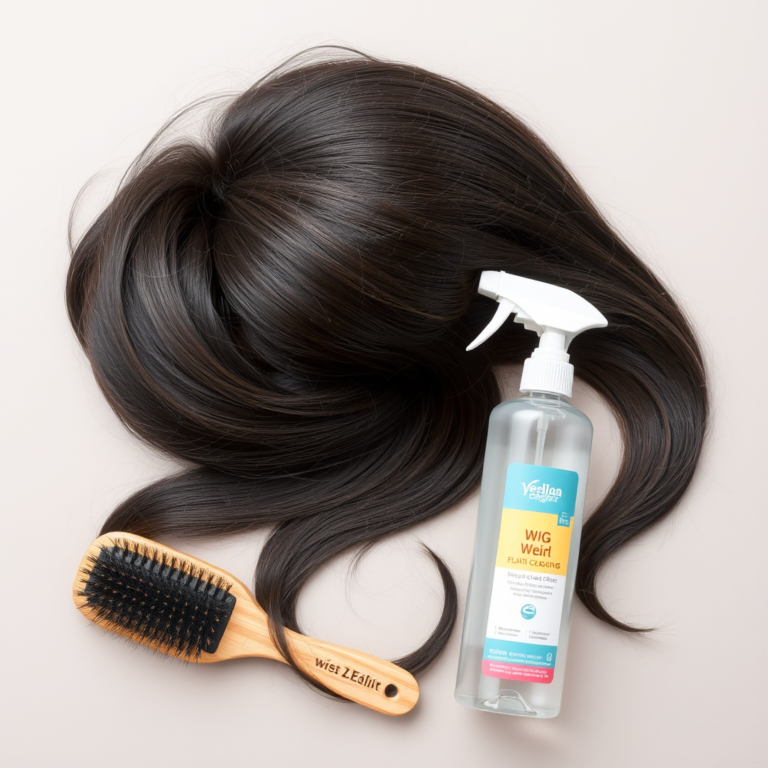
Proper care lengthens a wig’s lifespan and keeps it looking fresh. For synthetic wigs, use specially formulated wig shampoos and conditioners, washing every 6-8 wears to avoid damage.
Human hair wigs require more frequent washing depending on use and styling products applied. Always air dry wigs on a stand and avoid excessive heat unless they are heat-resistant synthetic or human hair.
- Use wig-specific care products
- Avoid rubbing or wringing hair
- Air dry to maintain shape
- Store on wig stands when not in use
Storage and Handling for Longevity
Proper storage prevents tangling and deformation. Store wigs on stands or in breathable bags to maintain shape and protect from dust. Avoid exposing wigs to direct sunlight or humidity during storage.
Handle wigs gently when putting on or removing to prevent stretching the cap or loosening the fibers, especially important for beginners who are still learning correct techniques.
- Use wig stands or breathable storage bags
- Keep away from direct sunlight
- Handle gently to avoid cap damage
- Regularly detangle with wide-tooth combs
Tips for Choosing Your First Wig

Assessing Fit and Comfort
Before purchasing, measure your head to find the correct size for a snug but comfortable fit. Adjustable straps and multiple comb points can help customize fit for beginners learning how to secure wigs properly.
Comfort affects how often you'll wear the wig, so prioritize lightweight materials and breathable caps. Trying on different styles if possible can help you identify what feels best.
- Measure head circumference accurately
- Look for wigs with adjustable straps
- Choose breathable cap constructions
- Test fit in-store or buy from sellers with returns
For more on this, see our related guide: How to Install a Lace Wig: A Step-by-Step Guide for Beginners.
Color Selection and Skin Tone Matching
Selecting a wig color that complements your skin tone makes the wig look more natural and flattering. Neutral shades close to your natural hair color or subtle highlights can help ease the transition for beginners.
Experimenting with different shades is easier with synthetic wigs because of their lower cost, but human hair wigs offer better options for dyeing and custom coloring as your skills advance.
- Choose colors near your natural hair shade
- Consider warm or cool undertones to match skin
- Start with lace front wigs for a natural hairline
- Synthetic wigs allow easy experimentation
Styling and Wearing Your Beginner Wig

Basic Styling Techniques
Styling synthetic lace front wigs usually involves gentle finger styling or low-heat tools designed for synthetic fibers. Human hair wigs offer full styling freedom but require gentler heat settings and professional cuts if needed.
Starting with minimal styling reduces damage risk for beginners learning how to handle wigs. Using lightweight styling products specifically made for wigs helps maintain the style longer without buildup.
- Use low-heat tools on synthetic wigs
- Employ wig-specific styling products
- Avoid heavy products that weigh down fibers
- Practice gentle finger styling
For more details on lace front wigs, their construction, and benefits, refer to this lace front wig information. Lace front wig information.
Securing and Wearing Tips
To keep your wig securely in place, attach adjustable straps, wig grips, or use wig tape/glue especially near the lace front. Proper cap fit and securing methods help beginners feel confident during wear.
Always practice putting on and removing your wig carefully to maintain its shape and ensure comfort throughout the day. Wearing a wig cap underneath can protect your natural hair and improve grip.
- Use adjustable straps and combs inside cap
- Consider wig grips or adhesive for extra security
- Wear a wig cap to protect natural hair
- Practice gentle application and removal
Beginner Wig Types Comparison
Here's a straightforward comparison of popular wig types suitable for beginners, highlighting cost, maintenance, and usability.
| Wig Type | Appearance Realism | Maintenance Level | Cost Range | Ideal For |
|---|---|---|---|---|
| Synthetic Lace Front | High | Low | $30-$150 | Easy daily wear and affordable realistic look |
| Human Hair Lace Front | Very High | High | $150-$600 | Natural look with styling versatility |
| Capless Synthetic | Medium | Low | $20-$100 | Lightweight comfort and budget-friendly |
| Full Cap Human Hair | High | Medium | $120-$500 | Natural look with less ventilation |
| Monofilament Cap Synthetic | High | Low to Medium | $50-$200 | Breathable and realistic scalp appearance |
Frequently Asked Questions
Can beginners wear human hair wigs?
Yes, beginners can wear human hair wigs, but they require more care and maintenance compared to synthetic options. Starting with a human hair lace front wig can offer a natural look while allowing styling flexibility.
How often should a beginner wash their wig?
For synthetic wigs, washing every 6-8 wears helps maintain quality. Human hair wigs may need washing more often depending on use. Always use wig-specific shampoos and avoid overwashing.
Is a lace front wig better for beginners than a full cap wig?
Lace front wigs typically offer a more natural hairline and realistic appearance, making them ideal for beginners seeking a natural look. Full cap wigs are simpler but may not look as natural.
How can I make a synthetic wig look more natural?
Choosing a lace front synthetic wig with a color that matches your skin tone and using minimal styling to avoid shine can enhance natural appearance. Proper securing techniques also improve realism.
Are synthetic wigs heat resistant?
Most synthetic wigs are not heat resistant and can be damaged by curling irons or straighteners. Some specialty heat-friendly synthetic wigs exist but beginners should check product details before applying heat.
Key Takeaways
- Synthetic lace front wigs offer the easiest start for beginners with natural look and low maintenance.
- Human hair wigs provide the best realism and styling options but need more care and higher investment.
- Choosing the right cap type impacts comfort, fit, and wig appearance significantly.
- Proper wig care and gentle handling are essential to extend wig lifespan and preserve style.
Conclusion
Determining which wig is best for beginners involves balancing ease of use, natural appearance, and maintenance needs. Synthetic lace front wigs meet these criteria well by providing a realistic hairline and pre-styled convenience. Understanding wig cap types and construction also factors heavily into comfort and confidence during wear, crucial for anyone new to wigs. Considering budget constraints alongside lifestyle ensures you select a wig that you’ll enjoy wearing regularly without frustration.
For those prioritizing a natural look with styling flexibility, human hair lace front wigs stand out, though they do demand more upkeep and a higher initial cost. Meanwhile, capless synthetic wigs appeal to beginners desiring lightweight, breathable options at an affordable price. Short styles often suit first-timers better given their manageability, while long wigs require patience and commitment. Paying attention to color matching and fit rounds out the selection process, making the entire experience smoother and more rewarding.
Next steps for new wig wearers include measuring your head for proper size, experimenting with synthetic lace front wigs to gain comfort, and practicing gentle maintenance routines. Delivery from reputable retailers with flexible return policies also offers peace of mind when trying your first wigs. As you become comfortable, you might explore human hair options or longer styles. Regardless, starting with a beginner-friendly wig designed for easy wear will help you build confidence and enjoy the versatility wigs offer.


2 Comments