
How to Install a Full Lace Wig: A Step-by-Step Guide for a Natural Look
Installing a full lace wig involves several precise steps to achieve a natural look and secure fit. The process begins with preparing your natural hair by braiding or flattening it, followed by applying a wig cap to protect your scalp. Using an appropriate adhesive or wig tape, the lace front is carefully attached along the hairline, then the wig is adjusted and styled to your preference.
Understanding how to install a full lace wig matters because a proper installation not only improves the wig’s appearance but also enhances comfort and durability. A well-installed wig reduces the risk of slippage and irritation, while highlighting the wig’s natural hairline and allowing for versatile styling options such as parting and updos.
This guide covers everything you need to know about installing a full lace wig, including preparing your hair and scalp, selecting and applying the right adhesive, securing the wig correctly, and maintaining your wig for long-lasting wear. Whether you’re new to full lace wigs or seeking a better installation technique, these detailed steps will help you achieve a flawless finish.
Preparing Your Hair and Scalp for Full Lace Wig Installation

Braiding and Flattening Your Hair
Start by braiding your natural hair into cornrows or flat braids to create a smooth surface for the wig. This prevents lumps and bumps under the wig, ensuring it sits evenly on your head.
If you have shorter hair, you can also use gel or hair wrap techniques to flatten your hair. This step helps keep your hair protected and reduces the chance of tangling beneath the wig.
- Use small, neat cornrows
- Avoid tight braiding to prevent scalp discomfort
- Apply a light hold gel if needed
Cleaning and Moisturizing Your Scalp
A clean scalp creates an ideal base for adhesives or wig tape. Before installing your full lace wig, wash and thoroughly dry your scalp to remove oils and dirt that might prevent strong adhesion.
After cleansing, moisturize lightly with a non-oily, scalp-friendly product to keep skin healthy without compromising the tackiness needed for glue or tape applications.
- Use gentle, sulfate-free shampoo
- Avoid heavy oils or lotions before installation
- Let scalp dry completely before proceeding
Choosing the Best Adhesive for Lace Wigs

Wig Glues: Pros and Cons
Wig glues provide a strong, long-lasting hold and are suitable for extended wear. They bond directly with the lace, giving a seamless hairline appearance. However, they require careful application and removal to avoid scalp irritation.
Many prefer waterproof formulas for durability. Always conduct a patch test before full application to rule out allergic reactions, and use a solvent or adhesive remover when taking the wig off to protect your skin and lace.
- Offers firm hold for 1-2 weeks
- Best for oily scalp types
- Requires careful removal
Wig Tapes: Easy Application Options
Double-sided wig tapes offer a convenient alternative for securing a full lace wig. They are less messy and easier to apply than glue, suitable for sensitive scalps and short-term wear.
Tapes may not last as long as glue and can lose adhesion in humid or oily conditions, but they allow for easier wig removal and reapplication.
- Simple to use and remove
- Good for beginners
- May require frequent replacement
Step-by-Step Full Lace Wig Application
Applying Adhesive and Positioning the Wig
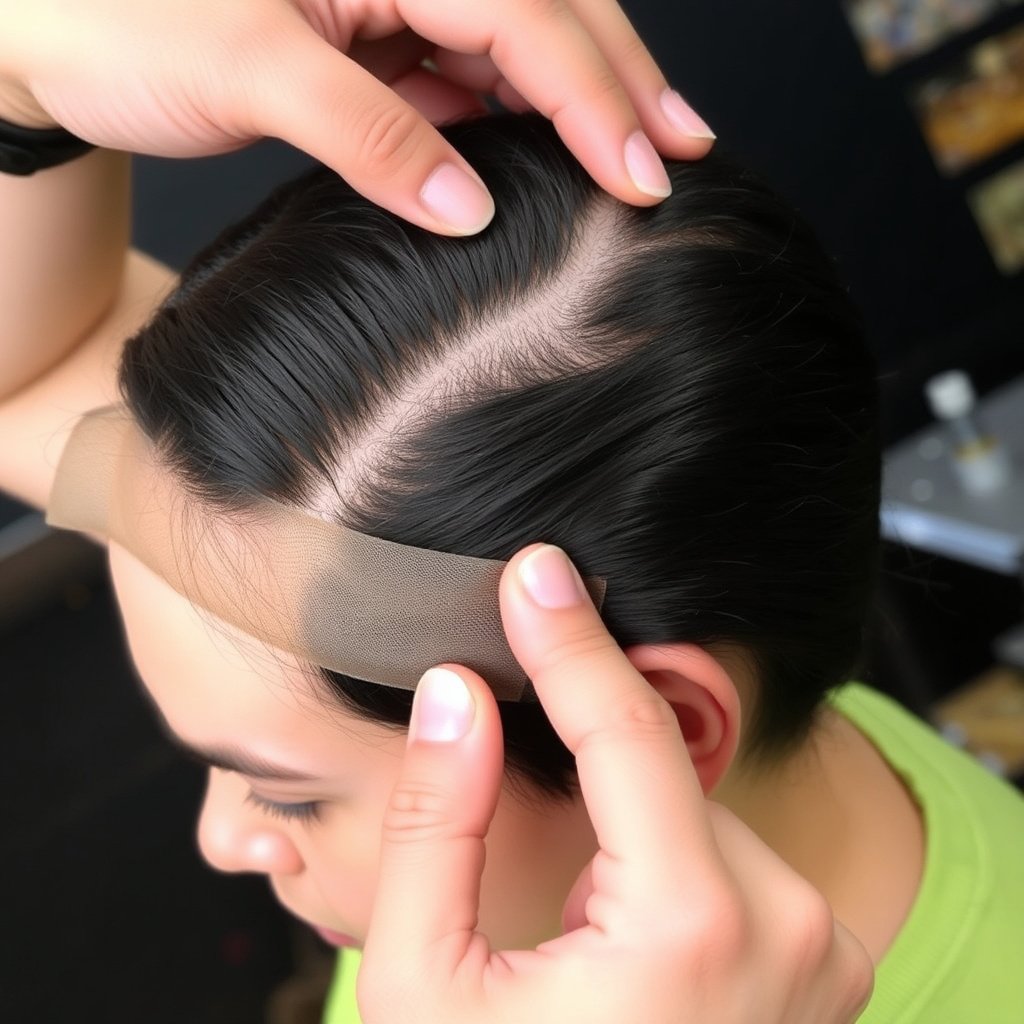
After ensuring your scalp is clean and dry, apply a thin layer of adhesive or place wig tape along your hairline and temples. Wait a few minutes for the glue to become tacky before positioning the wig carefully.
Place the full lace wig by aligning the lace front with your natural hairline, gently pressing the lace onto the adhesive. Use a fine-tooth comb or edge brush to press edges down and blend the lace smoothly.
- Apply glue in thin, even lines
- Do not rush placement; adjust before setting
- Press edges firmly for secure attachment
For more on this, see our related guide: Transparent Lace Closure Guide: What to Know Before You Buy.
Securing and Styling the Wig
Once the lace is secured, use wig clips or adjustable straps inside the wig for extra hold. Trim any excess lace carefully with small scissors to match your hairline.
Style the wig by cutting or parting as desired. Because the wig is full lace, you can create natural-looking partings and even ponytails for versatile appearances.
- Use wig grip or straps for additional hold
- Trim lace slowly to avoid mistakes
- Customize style for a natural finish
Maintaining and Removing Your Full Lace Wig
Cleaning and Caring for the Wig
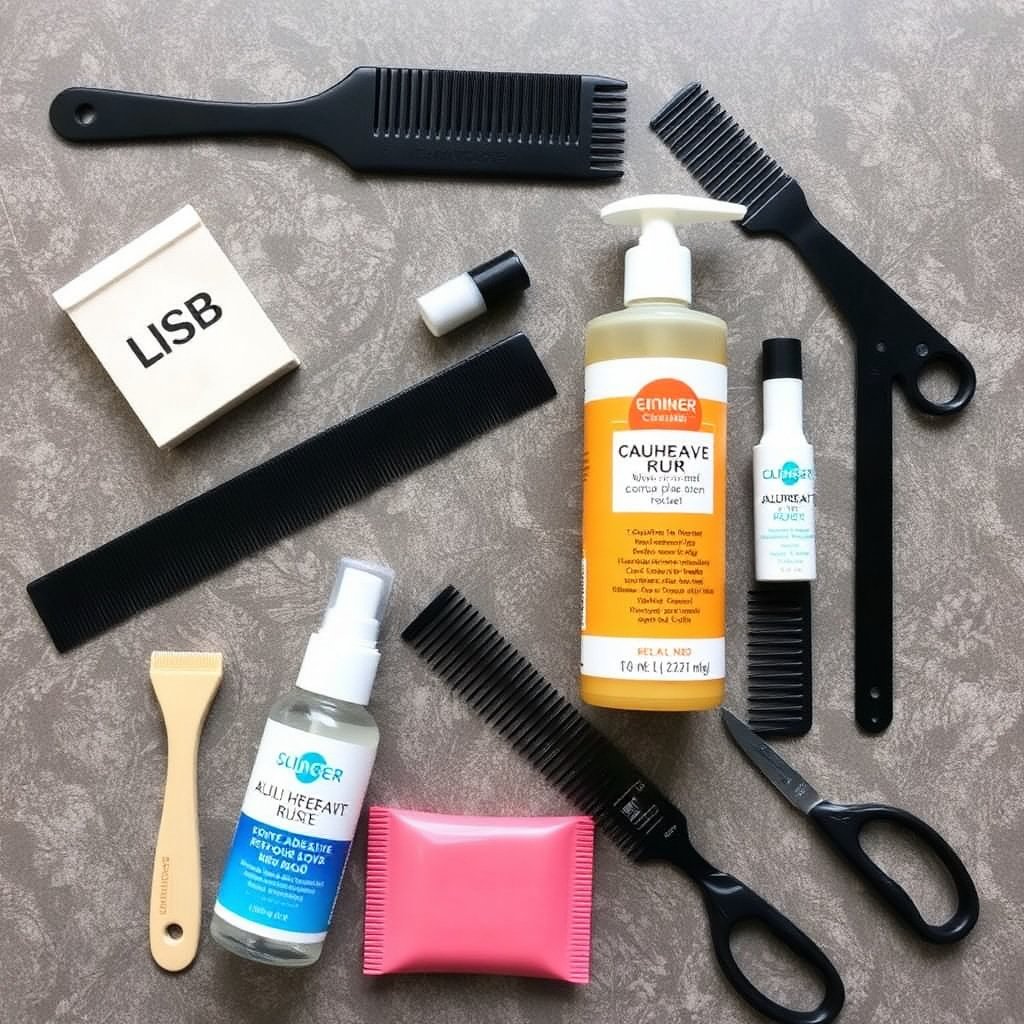
Regular cleaning extends the life of your full lace wig. Use sulfate-free wig shampoos and conditioners specifically designed for synthetic or human hair wigs. Avoid excessive heat during styling, especially for synthetic fibers.
Store your wig on a mannequin head or a wig stand to maintain its shape and prevent tangling.
- Wash wig every 7-10 wears
- Use wide-tooth comb for detangling
- Avoid heavy styling products
Safe Removal and Scalp Care
Use an adhesive remover or solvent to gently loosen the wig edges before peeling off to prevent damage to your natural hair and skin. Avoid pulling or tugging on the lace.
After removal, cleanse your scalp thoroughly and moisturize appropriately to keep skin healthy and prepared for the next installation.
- Apply remover generously to glued edges
- Patience prevents lace damage
- Maintain scalp hydration post-removal
Common Mistakes to Avoid During Full Lace Wig Installation
Skipping Scalp Preparation
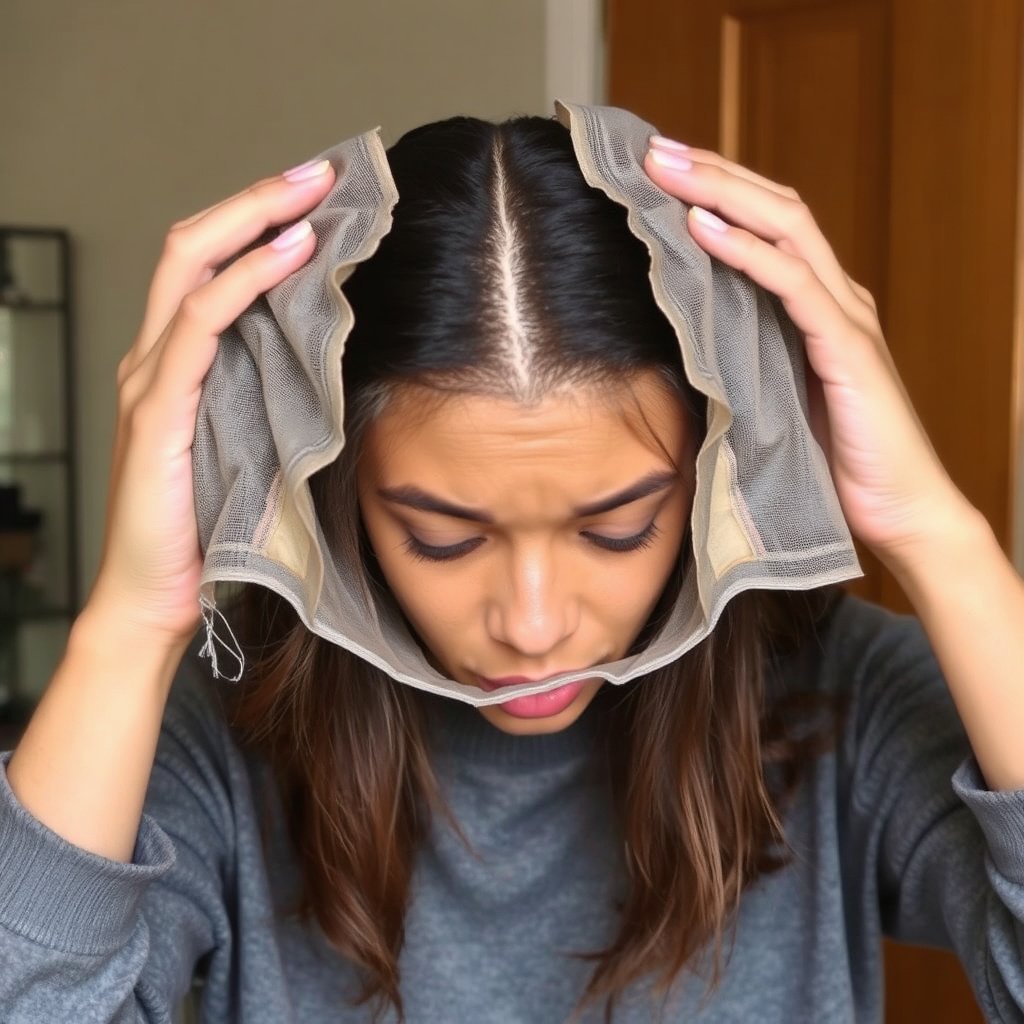
Failing to properly clean and dry your scalp before installation can cause adhesives to fail quickly or result in skin irritation. Oils and sweat reduce glue effectiveness and can cause the lace to lift prematurely.
Always start with a clean, moisture-balanced scalp to maximize wig adhesion and comfort.
For more on this, see our related guide: HD Lace Frontal: A Complete Buying Guide.
Using Too Much Adhesive
Applying thick layers of glue can lead to messy application, slow drying time, and uncomfortable buildup on your skin. Excess adhesive also makes wig removal more difficult and damages lace over time.
Use thin, even layers of adhesive and allow them to become tacky before attaching the wig for the best results.
Styling Options Unique to Full Lace Wigs
Creating Natural Hairlines and Baby Hairs
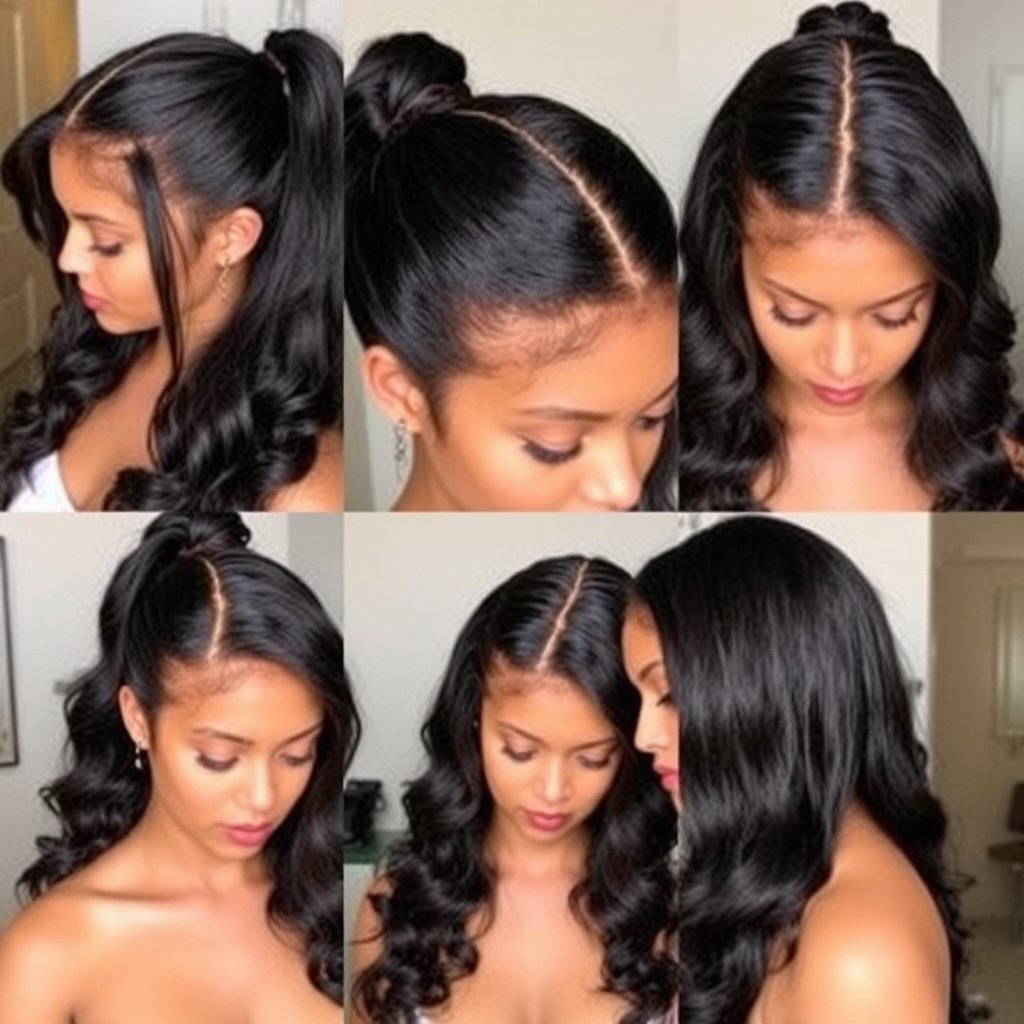
Full lace wigs allow you to customize the hairline by plucking hairs along the edge to mimic natural baby hairs. This technique softens the wig’s appearance and blends it seamlessly with your skin.
Styling baby hairs with edge control gels enhances the illusion of a real scalp and makes the wig virtually undetectable.
- Pluck hairs sparingly to avoid over-thinning
- Use a toothbrush or edge brush for styling
- Apply light gel for hold without stiffness
For a more detailed overview of wigs, including full lace types, you can visit this trusted resource. Full lace wig detailed overview.
Versatile Parting and Updos
Because the base is lace all over, you can part your hair anywhere and wear high ponytails, buns, or braids without exposing tracks or wig caps. This versatility sets full lace wigs apart from other wig types.
Experiment with different styles to find what complements your face shape and personal style, taking advantage of the wig’s natural movement and lightweight construction.
Full Lace Wig Adhesive Category Comparison
Here’s a comparison of common adhesive types used for full lace wig installation, highlighting key features to help you choose the best fit for your needs.
| Adhesive Type | Hold Duration | Ease of Use | Skin Sensitivity | Removal Process |
|---|---|---|---|---|
| Wig Glue | 7-14 days | Moderate | Medium (requires test) | Requires solvent, careful removal |
| Wig Tape | 3-7 days | Easy | Low (gentle on skin) | Peels off easily |
| Got2B Glued Gel | 3-5 days | Easy to apply | Low to medium | Can be washed out with water |
| Silicone Adhesive | Up to 2 weeks | Harder to apply | Low | Needs specialized remover |
Frequently Asked Questions
How long does a full lace wig installation typically last?
A properly installed full lace wig with high-quality adhesive can last from one to two weeks. Factors like scalp oils, weather, and adhesive type affect this duration.
Can I install a full lace wig myself at home?
Yes, with practice and the right tools, you can install a full lace wig at home following detailed steps for preparation, adhesive application, and styling.
What is the best adhesive for lace wigs if I have sensitive skin?
Wig tapes and gentle silicone-based adhesives are often better choices for sensitive skin as they cause less irritation compared to strong glues.
How do I prevent my full lace wig from lifting at the edges?
Ensure thorough scalp cleansing before installation, use the right amount of adhesive, and press edges firmly during application to prevent lifting.
Is it necessary to trim the lace after installing a full lace wig?
Yes, trimming excess lace carefully after securing the wig improves the natural appearance and prevents visible lace edges.
Key Takeaways
- Proper hair and scalp preparation is essential for secure full lace wig installation.
- Choose adhesives based on wear duration and skin sensitivity preferences.
- Apply adhesive sparingly and allow it to become tacky for best results.
- Full lace wigs offer versatile styling, including natural-looking hairlines and updos.
Conclusion
Installing a full lace wig requires careful preparation, adhesive selection, and application to achieve a look that’s both natural and durable. Start by preparing your hair and scalp to create an even foundation, then select an adhesive that matches your lifestyle and skin sensitivity. Taking your time to apply the adhesive thinly and position the lace properly helps prevent problems like lifting or irritation and extends the wig's wear time. The full lace wig’s capability for versatile styling makes mastering installation especially worthwhile for anyone seeking natural, flexible hair options.
For those looking for strong, longer-lasting holds, wig glues and silicone adhesives provide durable options but need cautious use and proper removal. Beginners or individuals with sensitive skin might prefer wig tapes or gel adhesives for easier, gentler application. Whichever adhesive you choose, remember to trim the lace carefully and style baby hairs to enhance the natural look. Keeping up with regular maintenance, including gentle cleaning and proper storage, will help your full lace wig remain fresh and stylish between installations.
Once you’re comfortable with the installation process, try styling your full lace wig to reflect your personal taste, enjoying the freedom to part your hair anywhere or wear it up without exposing tracks. If you’re new to full lace wigs, consider watching tutorial videos or consulting a professional stylist for initial guidance. Take your time with each installation, as practice improves technique and gives you confidence in achieving a flawless finish every time.