Distressed Locs Guide: What to Know Before You Buy
Finding the perfect hairstyle that looks great but doesn’t require constant upkeep can feel like a never-ending challenge. If you’ve been searching for something low-maintenance yet stylish, you’re not alone. Many people struggle with keeping traditional locs fresh without spending hours on maintenance.
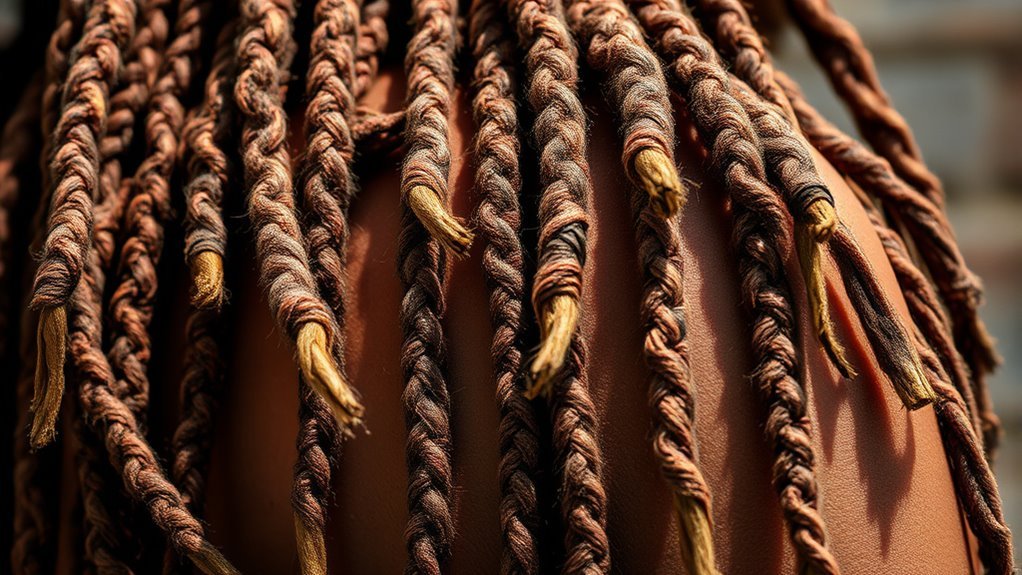
If you want a relaxed, natural look with less upkeep than traditional locs, distressed locs might be perfect for you. They feature intentional frizz and looseness, offering a unique style that suits various hair types.
Preparing your hair well and choosing the right products will keep your locs healthy and long-lasting. Understanding maintenance tips and when to refresh your locs helps prevent common problems.
Keep exploring to uncover how to care for and style them best.
Key Takeaways
- Distressed locs offer a natural, frizzy look, unlike neat traditional locs. They emphasize individuality and a relaxed style.
- Preparation includes making sure your hair is clean and moisturized. It’s also a good idea to talk with your stylist about your hair health before installation.
- Maintenance means daily moisturizing, gentle cleansing, and caring for your scalp to prevent dryness, buildup, and breakage.
- Distressed locs usually last 4 to 6 weeks. You’ll need to refresh them when frizz or unraveling becomes noticeable.
- Essential products include lightweight leave-in conditioners, natural oils, sulfate-free shampoos, and loc creams. These help with hydration and controlling frizz.
What Are Distressed Locs? How Do They Differ From Traditional Locs?
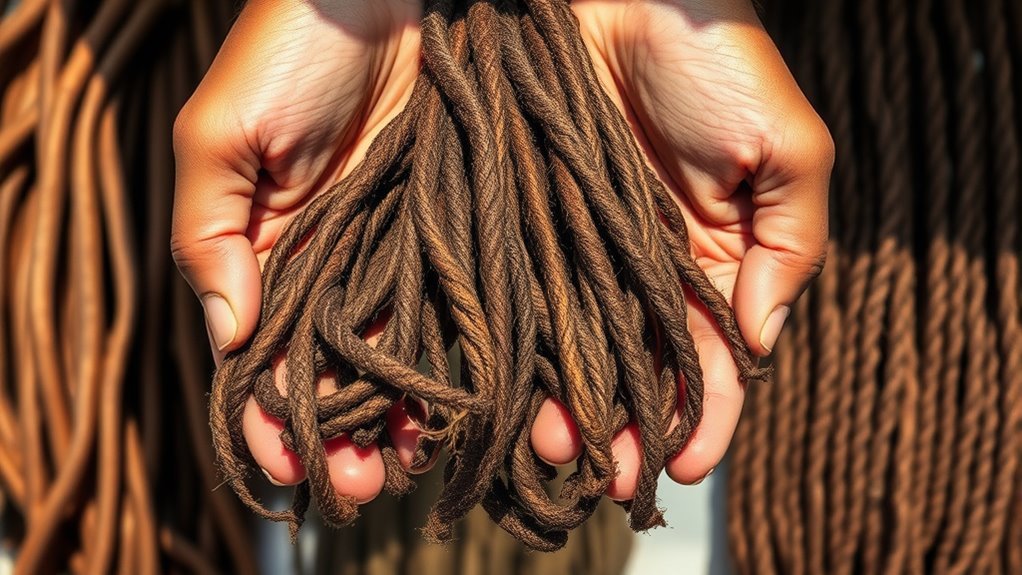
Although distressed locs share similarities with traditional locs, they have a distinct style characterized by intentional frizz, loose strands, and a worn-in appearance. When you choose distressed locs, you’re embracing a more relaxed, textured look compared to the neat, uniform appearance of traditional loc styles.
This style gives you a natural, effortless vibe that feels less polished but full of character.
Loc maintenance for distressed locs differs from regular locs because you won’t be aiming for tight, slicked-down strands. Instead, you’ll focus on preserving the looseness and frizz that define the style.
Maintenance focuses on embracing natural frizz and looseness instead of tight, polished strands.
You’ll still need to care for your scalp and keep your hair clean, but your routine will allow for more freedom in how the locs form and age. Distressed locs offer a unique way to express individuality while staying rooted in the rich tradition of loc styling.
Who Should Try Distressed Locs?
If you’re drawn to a look that feels natural and relaxed, distressed locs might be the perfect fit for you. Prospective wearers often appreciate how these locs suit various hair types, from coarse to fine, embracing your hair’s natural texture.
Before committing, consider your maintenance needs. Distressed locs require less upkeep than traditional styles but still benefit from regular care to support hair health.
Your personal style and lifestyle play a big role. If you prefer a laid-back vibe and want flexibility with color options or seasonal changes, distressed locs offer that freedom.
Also, think about your commitment level. These locs are ideal if you want a semi-permanent look without the rigidity of traditional locs.
Finally, be mindful of the cultural significance tied to locs, honoring their rich heritage while expressing your individuality. If this aligns with you, distressed locs could be a great choice.
How to Prepare Your Hair Before Getting Distressed Locs
Preparing your hair properly before getting distressed locs sets the foundation for a healthy, long-lasting style. Start by evaluating your hair health. Make sure your strands and scalp are clean, moisturized, and free from product buildup.
Deep condition your hair regularly in the weeks leading up to your appointment to strengthen and hydrate your locks. Avoid any harsh chemical treatments or heat styling that could weaken your hair.
Incorporate protective styles into your routine beforehand to minimize breakage and promote scalp health. Styles like braids or twists can help reduce manipulation and keep your hair in peak condition.
Also, trim any damaged or split ends to promote even locking. Finally, communicate with your stylist about your hair’s current state and any concerns you have. Taking these steps guarantees your hair is resilient and ready for the distressed loc process, setting you up for a beautiful, durable result.
What Happens During Distressed Loc Installation?
Once your hair is properly prepped, the process of installing distressed locs begins with sectioning your hair into small, manageable parts. Your stylist uses specific installation techniques to create the signature textured, worn-in look.
They twist or palm-roll each section, allowing the locs to form with a natural, relaxed vibe. During this time, you’ll notice the balance between neatness and intentional distressing, which sets these locs apart from traditional ones.
While the installation focuses on creating the style, it also considers future loc maintenance to guarantee longevity and health.
Here’s how installation impacts your experience:
| Feeling | Expectation | Result |
|---|---|---|
| Excitement | New look | Confidence boost |
| Patience | Time investment | Beautiful texture |
| Trust | Stylist’s skill | Lasting style |
| Comfort | Gentle handling | Healthy scalp |
Understanding the installation helps you appreciate the artistry behind distressed locs.
Essential Maintenance Tips for Healthy Distressed Locs
To keep your distressed locs healthy, you’ll want to stick to a daily moisture routine that helps prevent dryness. It’s all about keeping them hydrated and feeling soft.
Make sure to use gentle cleansing methods, too. This way, you avoid buildup but don’t strip away those natural oils that your locs need.
And don’t forget about your scalp! Regular care there is key to maintaining a clean and nourished foundation for your locs to grow strong and healthy.
Daily Moisture Routine
Maintaining a daily moisture routine is essential to keeping your distressed locs healthy and vibrant. Start by using effective hydration techniques like spritzing your locs with water or a water-based leave-in spray each morning. This replenishes moisture without weighing your hair down.
Follow up with quality moisture products, such as lightweight oils or creams, to seal in hydration and prevent dryness. Apply these products evenly, focusing on the roots and ends where dryness tends to occur. Avoid over-moisturizing because it can lead to buildup and weaken your locs.
Consistency is vital. Make this routine a habit to maintain softness, flexibility, and reduce breakage. Remember, well-moisturized locs not only look great but also promote long-term scalp health.
Gentle Cleansing Methods
Although cleansing your distressed locs might seem straightforward, using gentle methods is crucial to preserve their texture and prevent damage. You want to avoid harsh products that strip natural oils and weaken your locs. Follow these tips:
- Choose sulfate-free shampoos to clean without drying your hair.
- Dilute shampoo with water to guarantee a gentle, even cleanse.
- Massage your scalp softly to remove buildup without disrupting locs.
- Rinse thoroughly to avoid residue that can cause itching or flaking.
After washing, apply natural oils to lock in moisture and maintain elasticity. By sticking to these gentle cleansing methods, you’ll keep your distressed locs healthy, defined, and long-lasting. Remember, treating your locs with care today saves you from damage tomorrow.
Regular Scalp Care
Caring for your scalp plays a big role in keeping your distressed locs healthy and vibrant. You should regularly use scalp exfoliation techniques to remove buildup and dead skin. This helps prevent itching and promotes hair growth.
Gently massage your scalp with a soft brush or use natural exfoliants like sugar scrubs to stimulate circulation without causing irritation. Don’t forget the importance of hydration. Keeping your scalp moisturized prevents dryness and flakiness, which can weaken your locs.
Use lightweight oils or scalp sprays designed for locs to lock in moisture without weighing your hair down. By maintaining a clean, hydrated scalp, you support the overall health of your distressed locs. This ensures they look fresh and thrive over time.
Regular care makes all the difference.
Styling Ideas to Rock Your Distressed Locs Every Day
When you want to make your distressed locs stand out, experimenting with different styles can improve your look instantly. Playing with color options like subtle highlights or bold shades adds a fresh vibe without overwhelming your natural texture.
Experimenting with styles and colors can instantly refresh your distressed locs without losing their natural charm.
Accessorizing tips such as beads, cuffs, or scarves can uplift your style effortlessly. Here are four styling ideas to rock your distressed locs every day:
- Half-Up, Half-Down: Secure the top half with a colorful scrunchie to showcase your locs’ texture and length.
- Loc Buns: Twist your locs into one or two buns for a chic, practical look.
- Wrapped Locs: Use vibrant threads or ribbons to wrap sections, adding pops of color and personality.
- Loose and Natural: Let your locs flow freely, highlighting their distressed beauty with minimal manipulation.
These simple yet effective styles help you express individuality while keeping your locs healthy and stylish daily.
Common Problems With Distressed Locs and How to Fix Them
Even the most carefully maintained distressed locs can face issues like breakage, dryness, or buildup. When you encounter these common locs challenges, addressing them quickly helps keep your hair healthy and looking great.
For breakage, focus on gentle locs maintenance. Avoid tight styles and harsh manipulation. Use strengthening locs products rich in natural oils and proteins to nourish your hair.
Dryness often results from insufficient moisture, so incorporate hydrating sprays or leave-in conditioners designed specifically for locs.
Buildup can weigh your locs down and cause odor. Clarify with residue-free shampoos and occasional apple cider vinegar rinses. Remember, consistent cleansing paired with proper moisturizing is key.
If you spot thinning or frizz, try palm rolling or interlocking techniques as locs solutions to maintain tight, neat locs.
How Long Do Distressed Locs Last? When to Refresh Them
Your distressed locs usually last about 4 to 6 weeks before they start looking a bit worn or loose. So, when do you know it’s time to refresh them? Well, if you start noticing frizz, thinning, or that your locs are losing their definition, that’s a good sign. Keeping an eye out for these little changes helps you keep your look sharp and healthy.
Typical Distressed Loc Lifespan
Although distressed locs can offer a unique, textured look, they don’t last indefinitely without some upkeep. Your typical distressed loc lifespan depends on several factors, and understanding these helps you maintain your style and hair health. Here’s what influences how long your locs stay fresh:
- Lifestyle impact: Active lifestyles with frequent washing or styling shorten their lifespan.
- Hair health: Strong, well-moisturized hair holds locs better and longer.
- Maintenance routine: Regular gentle care extends their life.
- Environmental exposure: Sun, humidity, and pollution can wear down the texture over time.
Generally, distressed locs last about 4 to 6 weeks before needing attention. By factoring in these elements, you can better predict when to refresh your look and keep your hair healthy.
Signs You Need Refreshing
Understanding how long distressed locs last sets the stage for recognizing when they need rejuvenation. Typically, distressed locs can last several weeks to a few months, but knowing the renewal indicators is key to maintaining their look.
You’ll notice frizz buildup, loose roots, or unraveling strands as clear signs you need revitalization. When your locs start losing definition or feel heavy with product residue, it’s time to act.
Regular loc maintenance helps you keep your distressed style sharp and healthy. Don’t wait for your locs to look neglected; revitalizing them at the right time prevents damage and promotes longevity.
Best Products for Caring for Distressed Locs
Choosing the right products can make a huge difference in maintaining the health and appearance of distressed locs. You want to focus on hydration techniques that keep your locs moisturized without causing buildup.
Here are four essential product recommendations to care for your distressed locs effectively:
Discover four essential products to effectively care for and revitalize your distressed locs.
1. Lightweight Leave-In Conditioner
Keeps your locs hydrated without weighing them down or causing residue.
2. Natural Oils (like jojoba or coconut)
Seal in moisture and nourish your scalp and locs.
3. Sulfate-Free Shampoo
Cleanses gently, preserving your locs’ natural oils and preventing dryness.
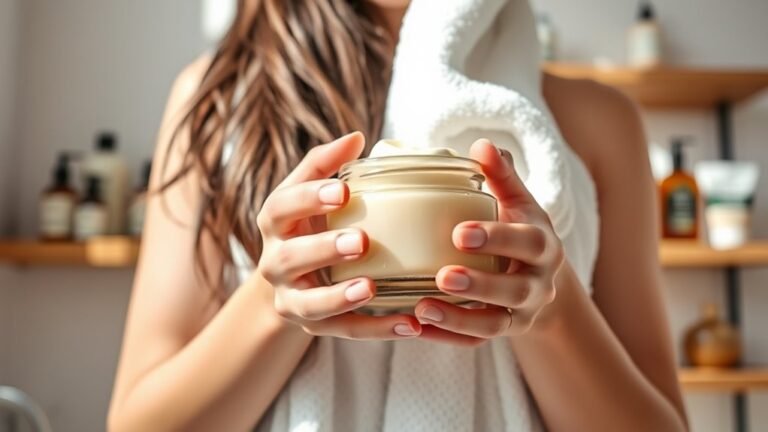
4. Loc Butter or Cream
Helps maintain softness and manage frizz without harsh chemicals.
Incorporate these products into your routine to promote strength and moisture retention. Remember, consistent hydration techniques are key to preventing further damage and ensuring your distressed locs stay healthy and vibrant.
How to Safely Remove or Transition From Distressed Locs
Keeping your distressed locs healthy with the right products sets a strong foundation, but there may come a time when you want to remove them or switch to a different style. When considering loc removal, it’s crucial to be gentle to avoid damaging your natural hair.
One effective method is to carefully unravel each loc with a wide-tooth comb, starting from the tips and working toward the roots. Patience is key to minimize breakage.
If you’re not ready for a full removal, shifting methods can help you gradually adjust your style. You might opt to trim the distressed locs over time or integrate loose hair sections to blend into new styles. Regular moisturizing and deep conditioning during this process maintain hair strength.
Whatever your choice, prioritize gentle care and avoid harsh chemicals or forceful detangling. This approach guarantees your hair remains healthy, whether you fully remove your locs or transition into a fresh look.
Frequently Asked Questions
Can Distressed Locs Be Dyed or Colored Safely?
Yes, you can dye distressed locs safely if you follow proper dyeing techniques. You’ll want to use gentle, moisturizing dyes and avoid harsh chemicals that can cause breakage.
For color maintenance tips, regularly deep condition your locs and use sulfate-free shampoos to keep the color vibrant and your hair healthy. Always do a strand test first and consult a professional if you’re unsure about the process to protect your locs.
Are Distressed Locs Suitable for All Hair Types?
Distressed locs aren’t a one-size-fits-all hat; they work best with specific hair texture compatibility. If your hair is naturally curly or coily, you’ll find they hold better and look more authentic.
Straight or fine hair can struggle with grip, needing extra care. Keep maintenance tips in mind, like regular moisturizing and gentle handling, to keep your locs looking fresh and avoid frizz or damage.
You’ve got to tailor care to your unique texture.
How Much Do Distressed Locs Installations Typically Cost?
Distressed locs installations typically cost between $150 and $400, but the price varies based on factors like hair length, stylist experience, and location. Different installation techniques, such as crochet or twisting, can also affect the cost.
If you want a quicker method, crochet might be cheaper, while more intricate twisting styles may cost more. Always ask your stylist about these factors to get an accurate estimate for your specific look.
Can I Swim or Exercise With Distressed Locs?
You can plunge into swimming and break a sweat with distressed locs, but you’ll want to take swimming precautions to keep them looking fresh. Always rinse your hair thoroughly after swimming to wash out chlorine or salt, and use a swim cap if possible.
For exercise tips, tie your locs up to avoid tangling and sweat buildup. Staying proactive keeps your distressed locs healthy and sharp, no matter how active you get.
Do Distressed Locs Affect Scalp Health or Cause Irritation?
Distressed locs can sometimes affect your scalp sensitivity, especially if they’re installed too tightly or maintained improperly. You might experience irritation factors like itching, dryness, or redness if your scalp isn’t given enough care.
To avoid this, keep your scalp clean, moisturized, and avoid harsh products. If you notice persistent discomfort, it’s important to consult a professional to prevent further irritation or scalp issues.
Conclusion
Now that you know the ins and outs of distressed locs, you’re ready to take the plunge with confidence. Remember, these locs aren’t for everyone, but if you’re up for a carefree, textured look, they can be a real game-changer.
Keep up with your maintenance and listen to your hair’s needs. Doing so will help you avoid any bumps in the road.
With the right care, your distressed locs will be the cherry on top of your style journey.