Crochet Locs Guide: What to Know Before You Buy
If you’ve ever wanted the look of dreadlocks but worried about the time, upkeep, or potential damage, you’re not alone. Many people struggle to find a protective hairstyle that feels natural and low-maintenance.
Crochet locs offer a fantastic solution that delivers style without the hassle, and they’ve become a go-to for those seeking that perfect loc look.
If you’re considering crochet locs, know they mimic natural dreadlocks using braided hair and extensions, making them a quick, low-maintenance protective style. They work best on natural, curly, or coarse hair but require healthy scalp prep and moisture to avoid damage.
Choosing the right synthetic hair texture matters for a natural look, while gentle daily care keeps them fresh.
When you’re ready, you’ll find tips on installation, maintenance, and safe removal to keep your locs looking their best.
Key Takeaways
- Crochet locs mimic natural dreadlocks and are installed by looping synthetic or human hair extensions through braided natural hair.
- Choose hair textures like Kanekalon or Marley based on your natural hair type. This helps create a natural look and keeps your scalp comfortable.
- Prepare your scalp by cleansing it thoroughly and making sure it’s dry before installation. This helps prevent irritation and buildup.
- Maintain your locs by moisturizing with lightweight oils, using residue-free shampoos, and protecting your hair with a satin scarf at night.
- When your locs feel heavy or frizzy, remove them gently by unraveling carefully to avoid damage. Also, make sure to buy from reputable stores with positive reviews.
What Are Crochet Locs and How Do They Work?
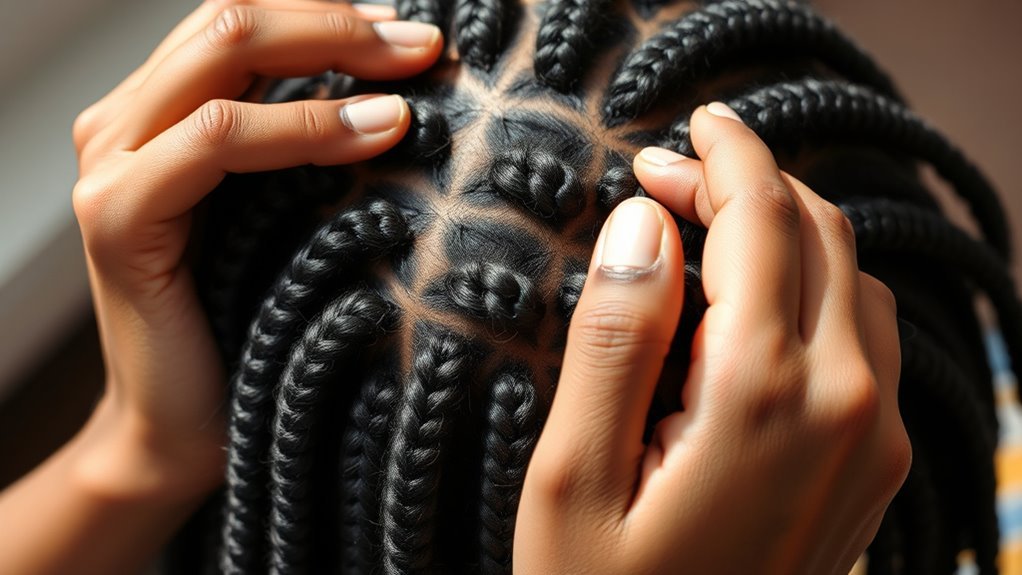
Crochet locs are a popular protective hairstyle that mimics the look of natural dreadlocks without the long commitment. They have roots in crochet locs history, which dates back to the early 2000s when hairstylists developed this technique as a quicker, less damaging alternative to traditional locking methods. You’ll appreciate how crochet locs benefit your hair by protecting your natural strands while offering versatility and low maintenance.
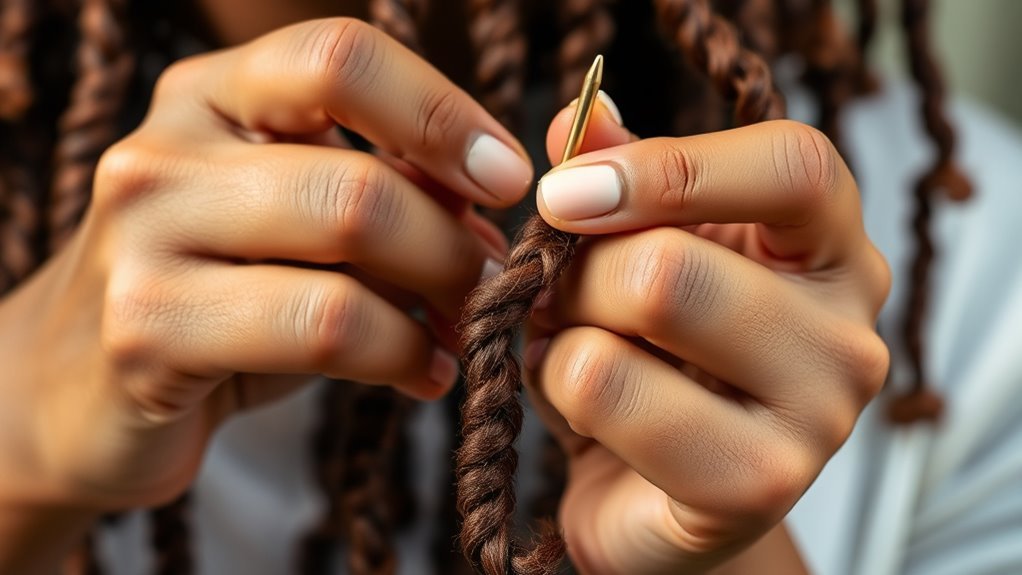
The process involves braiding your natural hair into cornrows, then using a crochet needle to loop synthetic or human hair extensions through the braids. This method creates locs that look authentic but can be installed much faster than growing natural locks. Once in, you can style them in various ways and enjoy a lightweight, natural appearance that’s easy to manage. If you want a stylish, protective look without the wait, crochet locs could be a perfect choice.
Which Hair Types Are Best for Crochet Locs?
You’ll find that crochet locs work best with natural hair textures that have some curl or kink because they provide better grip. Synthetic hair blends well with most textures, but choosing the right type is key if you want a natural look. Also, make sure your hair is healthy enough to handle the weight and tension of the locs—this helps avoid any damage.
Suitable Natural Hair Textures
Although crochet locs can work on various hair types, they tend to hold best on natural hair with some texture and volume. Hair texture compatibility plays a key role in ensuring your crochet locs stay secure and look natural.
If your hair has a coarser or curly texture, the locs will grip better and require less maintenance. Fine or straight hair might struggle to hold the locs firmly, so extra care and styling products may be necessary.
For ideal results, focus on maintaining healthy natural hair care practices, such as regular moisturizing and gentle detangling. This will keep your scalp nourished and your hair strong, making it easier for crochet locs to blend seamlessly and last longer without slipping or unraveling.
Synthetic Hair Compatibility
When selecting synthetic hair for locs, matching the texture to your natural hair makes a big difference in how secure and natural the style looks. Synthetic fibers vary widely, so consider texture comparison, durability factors, and colorfast properties before buying.
Different installation techniques and maintenance requirements also depend on hair type compatibility. Here’s a quick guide:
| Hair Type | Best Synthetic Fiber |
|---|---|
| Coarse/Kinky | Kanekalon (Textured) |
| Curly/Wavy | Toyokalon (Soft Curl) |
| Straight/Fine | Futura (Smooth & Heat Resistant) |
| Thick/Dense | Marley (Coarse & Durable) |
| Sensitive Scalp | Premium Kanekalon (Gentle) |
Choosing fibers that suit your hair texture guarantees better hold, longevity, and easier maintenance for your crochet locs.
Hair Health Considerations
Since crochet locs involve interlocking hair strands, maintaining healthy hair is essential to prevent breakage and scalp irritation. If you have textured, coarse, or natural hair, crochet locs can be a great protective style because your hair can hold the locs well without slipping.
However, if your hair is fine or fragile, you’ll need to be extra cautious with scalp care and gentle product selection to avoid added stress. Always choose lightweight, non-greasy products that nourish your scalp without causing buildup.
Regularly moisturizing your scalp and keeping your hair clean will help maintain the health of both your natural hair and your crochet locs. Ultimately, healthy hair and scalp care are the foundation for a successful crochet locs experience.
Choosing the Best Crochet Locs Hair: Quality and Texture
To achieve flawless crochet locs, you need to pick hair that matches both your desired look and feel. Start by making texture comparisons. Whether you prefer silky, coarse, or wavy strands, choose hair that blends seamlessly with your natural texture or the style you want.
Look closely at quality indicators like the hair’s softness, durability, and how well it holds its curl or wave pattern after washing. High-quality crochet locs resist tangling and shedding, which keeps your style looking fresh longer.
Synthetic hair can mimic natural textures but often lacks longevity, while human hair offers more versatility but usually comes at a higher price. Also, consider lightweight options if you want comfort without bulk.
Popular Styles to Try With Crochet Locs
You’ll find plenty of trendy crochet loc styles to match your vibe—everything from chunky curls to sleek, straight locs. And honestly, playing around with different color options can totally change your look. Whether you’re into natural shades or want to add bold pops of color, there’s something for everyone. So, let’s check out some popular variations that’ll help you stand out.
Trendy Crochet Loc Styles
Crochet locs open up a world of stylish possibilities that can suit any personality or occasion. You can adopt bohemian vibes with loose, layered looks that flow effortlessly.
If you love festival styles, try oversized locs paired with braided accents to stand out in the crowd. Sleek designs offer a polished, modern touch perfect for professional settings or nights out.
Textured finishes add depth and dimension, giving your locs a natural, lived-in feel. While color blends typically belong to a different discussion, subtle variations can improve these trendy styles without overwhelming your look.
Whether you want bold or understated, crochet locs let you customize your hairstyle with ease, making it simple to switch up your vibe whenever you feel like it.
Color Options And Variations
Color options bring a fresh dimension to your locs, letting you express creativity and personality effortlessly. When choosing your look, consider how ombre effects and gradient styles can add depth and movement. Pastel shades offer a soft, trendy vibe, while bold colors make a striking statement. Natural blends suit those who want a subtle, low-maintenance approach.
To help you decide, keep these in mind:
Seasonal highlights refresh your style and keep it current.
Color matching guarantees your locs complement your skin tone.
Maintenance tips vary by color type; brighter hues may require more care.
Experimenting with combinations can create unique, eye-catching results.
With the right palette, your crochet locs will truly stand out and reflect your style.
Preparing Your Hair for Crochet Locs
Anyone planning to install crochet locs should start by thoroughly cleansing and conditioning their hair. Proper hair cleansing removes buildup and oils, creating a clean foundation that helps your locs last longer and look fresh. Use a clarifying shampoo to guarantee your scalp and strands are completely clean without stripping your hair’s natural moisture.
Next, focus on scalp preparation. A healthy scalp encourages better hair retention and reduces irritation during and after installation. Gently massage a lightweight, non-greasy oil into your scalp to soothe and hydrate it. Avoid heavy products that can cause buildup under your locs.
After cleansing and scalp preparation, make certain your hair is completely dry before moving forward. Damp hair can lead to mildew or discomfort once your crochet locs are installed. Taking these steps guarantees your hair and scalp are in the best condition, setting you up for a successful and comfortable crochet locs experience.
Installing Crochet Locs: How Long Does It Take?
Although the time it takes to install locs can vary, most people find the process requires several hours to complete. The total duration depends on several time factors, including your hair’s length, volume, and the specific installation techniques used.
Installing locs typically takes several hours, influenced by hair length, volume, and the chosen technique.
Some methods, like the latch hook or crochet needle technique, may speed up the process, while others might take longer for a more natural look.
Here are key time factors to evaluate:
- Hair preparation and sectioning
- Density and size of each loc
- Skill level of the stylist or yourself
- Chosen installation technique
Daily Care Tips for Crochet Locs
Taking care of your crochet locs daily is essential to keep them looking fresh and lasting longer. Start by gently moisturizing your scalp to prevent dryness and itching. Scalp care should never be overlooked.
Use lightweight oils like jojoba or tea tree oil, which help maintain a healthy scalp without weighing down your locs. In terms of product recommendations, choose residue-free shampoos and conditioners designed for locs or protective styles to avoid buildup.
Avoid heavy creams or gels that can cause flaking or stiffness. At night, wrap your locs with a satin or silk scarf to reduce friction and maintain moisture. Also, avoid excessive manipulation to keep your locs neat.
How to Prevent Damage and Keep Crochet Locs Healthy
To keep your crochet locs healthy, it’s all about focusing on proper moisturizing techniques that lock in hydration without causing buildup. You want to make sure your locs stay hydrated but not weighed down. Also, handle your locs gently—this helps avoid unnecessary tension and breakage when you’re doing maintenance. Trust me, these simple habits really go a long way in preventing damage and keeping your style looking fresh for longer.
Moisturizing Techniques
Moisture is essential for keeping your crochet locs strong and vibrant. Without proper hydration methods, your locs can become dry and brittle, which leads to damage. To maintain healthy crochet locs, focus on consistent moisturizing with the right products.
Here are some effective tips: Use a water-based leave-in conditioner to provide lightweight hydration. Then, apply natural oils like jojoba or coconut oil to seal in moisture. You can also mist your locs regularly with a DIY spray made of water and essential oils.
Avoid heavy creams because they can cause buildup and weigh down your locs. Product recommendations matter too. Choose ones specifically designed for locs or natural hair to prevent residue.
Gentle Maintenance Practices
Maintaining your crochet locs gently requires a few key habits that prevent breakage and promote longevity. Avoid common mistakes like over-tightening or using heavy products that weigh down your locs.
Stick to light, moisturizing product recommendations such as water-based sprays or natural oils. Protect your locs at night with a satin bonnet or scarf to reduce friction.
Regularly cleanse your scalp without disturbing the locs to keep them healthy.
| Tip | What to Do | What to Avoid |
|---|---|---|
| Moisturize | Use water-based sprays | Heavy creams/oils |
| Night Care | Satin bonnet/scarf | Cotton pillowcases |
| Tightness | Keep locs comfortably loose | Over-tightening |
| Cleansing | Clean scalp gently | Scrubbing locs |
| Handling | Be gentle when styling | Rough pulling |
Removing Crochet Locs Safely: When and How
Although crochet locs can last several weeks, knowing when and how to remove them safely is essential to protect your natural hair. Proper removal techniques prevent breakage and minimize scalp irritation. You should remove your crochet locs when they start to feel heavy, look frizzy, or when your scalp feels itchy or inflamed.
Removing crochet locs safely when they feel heavy or itchy protects your natural hair from damage and irritation.
Follow these tips for safe removal and scalp care:
- Gently unravel each loc using your fingers or a crochet hook to avoid tugging.
- Take your time because rushing can cause unnecessary damage.
- After removal, thoroughly cleanse your scalp to remove buildup and soothe irritation.
- Apply a moisturizing treatment or oil to nourish and restore your natural hair.
Where to Buy Crochet Locs and What to Look For
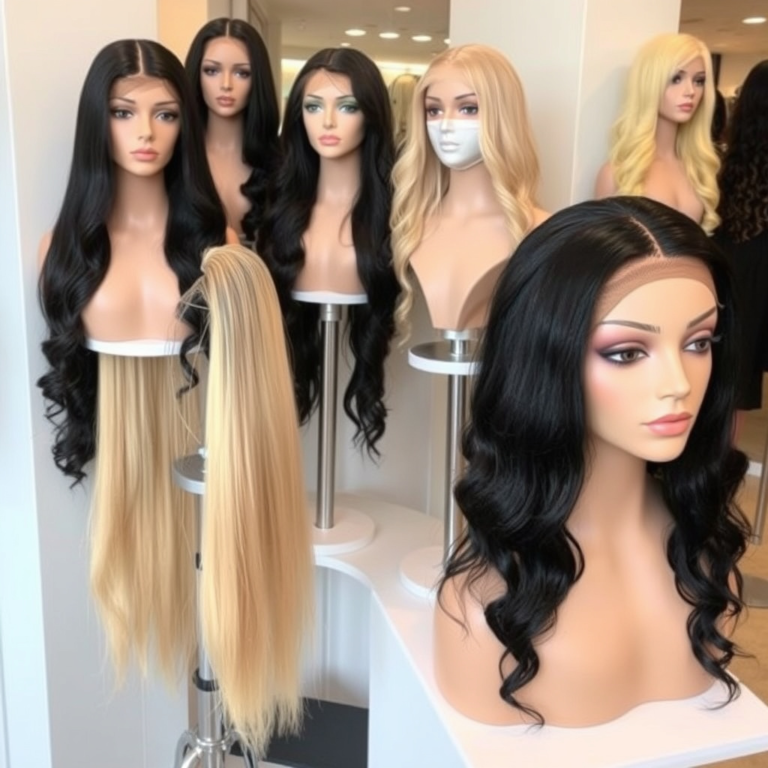
Where can you find high-quality crochet locs that suit your style and budget? Start by exploring reputable beauty supply stores and trusted online retailers specializing in hair extensions. When considering where to buy crochet locs, prioritize sellers with positive reviews and clear product details.
Quality matters, so look for synthetic fibers that mimic natural hair texture or human hair options if you want a more authentic look. Check the length, thickness, and color availability to match your desired style.
Avoid locs that feel overly stiff or appear shiny, as they can look unnatural. Also, consider the seller’s return policy and customer service responsiveness in case you need assistance.
If possible, ask for recommendations from friends or online hair communities to find reliable sources. By focusing on these factors, you’ll confidently select crochet locs that improve your look and guarantee a satisfying purchase experience.
Frequently Asked Questions
Can I Swim or Shower With Crochet Locs?
Yes, you can swim and shower with crochet locs, but you need to take proper maintenance tips seriously. Before swimming, apply water-resistant products to protect your hair and prevent frizz or damage.
After swimming or showering, rinse your locs with clean water and use a gentle shampoo if needed. Always dry your crochet locs thoroughly to avoid mildew or odor.
Staying consistent with these steps keeps your locs looking fresh and healthy.
How Much Do Crochet Locs Typically Cost?
Crochet locs typically cost between $100 and $300, depending on installation techniques and salon or stylist experience. Prices vary based on loc length, thickness, and the type of hair used.
Keep in mind, maintenance tips like regular moisturizing and gentle handling can extend their lifespan, saving you money in the long run. You’ll want to factor in occasional touch-ups too, which can affect overall costs.
Can Crochet Locs Be Dyed or Colored?
Yes, you can dye crochet locs, but you’ll need to choose the right dye types and coloring techniques. Synthetic crochet locs don’t hold traditional hair dye well, so fabric or acrylic dyes work better.
If your locs are made from human hair, you can use regular hair dye. Always test a small section first, and consider professional help to avoid damage and achieve even color with your crochet locs.
Are Crochet Locs Suitable for All Seasons?
Like a trusty cloak through changing seasons, crochet locs suit you year-round. You’ll find they adapt well, but you’ll want to follow maintenance tips to keep them fresh. Think moisturizing and gentle cleansing.
Plus, their flexible styling options let you switch looks effortlessly, whether it’s summer’s heat or winter’s chill. So with care, crochet locs can be your perfect, versatile hairstyle companion no matter the season.
How Long Do Crochet Locs Usually Last?
Crochet locs usually last about 4 to 8 weeks with proper care. To maximize their lifespan, you’ll want to follow maintenance tips like keeping your scalp clean, moisturizing your hair, and avoiding heavy products that cause buildup.
Also, choosing the right installation techniques, such as secure but not too tight crochet methods, helps prevent premature loosening or damage. With consistent upkeep, your crochet locs can stay fresh and beautiful for weeks.
Conclusion
Crochet locs can transform your look while protecting your natural hair, but you’ve got to choose quality hair and care for them properly. Imagine Maya, who switched to crochet locs for low maintenance but kept her scalp healthy by moisturizing daily and avoiding heavy products.
Her hair stayed strong and beautiful for months. By prepping well, caring consistently, and removing locs safely, you’ll enjoy stylish, healthy locs without damage. You’re ready to take the plunge confidently with crochet locs!