
Top 12 Best Hair Dryer for Acrylic Pouring You Must Try!
Using a cheap or unsuitable hair dryer can easily ruin acrylic pouring projects, causing uneven drying or blowing around paint that should stay put. The best hair dryer for acrylic pouring offers steady airflow without blowing your work all over the place. This helps control the paint’s movement and blending, which is key to achieving the desired effects.
A good acrylic pouring hair dryer usually has adjustable heat settings that stay fairly low, around 80 to 120 degrees Fahrenheit, to avoid damaging the paint or canvas. It should deliver consistent, moderate airflow with wattage typically between 600 and 1200 watts. Weight and grip matter too, since you’ll hold it for extended periods and need precision.
Ease of cleaning and durability also make a noticeable difference in long-term use.
Need a Quick Check?
| Image | Product | Price |
|---|---|---|
Our Top Picks 1  | Mini Ceramic Blow Dryer | Check Price |
Our Top Picks 2  | Foldable Travel Hair Dryer | Check Price |
Our Top Picks 3  | Compact Mini Hair Dryer | Check Price |
Our Selected Top 12 Hair Dryer for Acrylic Pouring Worth Your Money
This list features carefully chosen hair dryers ideal for acrylic pouring, highlighting their performance, suitability for different users, strengths, and drawbacks. Each review provides clear insights to help you find a tool that matches your specific crafting needs.
1. Mini Ceramic Ionic Blow Dryer
1000 watts power makes drying and styling quick, ideal for acrylic pouring artists who need a reliable tool without bulk. Compact size suits travelers or anyone needing a small, manageable dryer that still delivers consistent airflow and temperature control.
Setup is straightforward with a 1.8m salon-length cord that feels long enough for ease around any workspace. The hanging loop helps keep it accessible and stored neatly.
Switching between two speed settings and a cool button is simple, giving enough control to adjust airflow without confusion or extra buttons.
Aim the airflow concentrator to target specific areas, adding volume or reducing frizz on acrylic surfaces. The lightweight design combined with the sturdy build feels durable despite its mini size. Most praise centers around its portability and power, while a common downside is the limited heat options, which might feel basic for some needs.
Strong portability and sufficient 1000-watt power are highlights that make quick drying and styling possible in a compact unit. Commonly noted in reviews is the desire for more heat settings, which this dryer lacks, leading to a basic experience for some users.
Artists focused on quick, controlled airflow and simple operation will appreciate this unit. Those needing advanced heat control or working with very thick hair might want to look for a higher wattage or more settings.
Pros
- Compact and lightweight for easy handling
- Two speed settings plus individual cool button
- The Airflow concentrator improves styling precision
- Removable lint filter for straightforward cleaning
Cons
- Limited heat control options
- 1000 watts may be less powerful for thick hair
| Specification | Details |
|---|---|
| Wattage | 1000 watts |
| Number of Speeds | 2 |
| Power Source | Corded Electric |
| Voltage | 120 volts |
| Cord Length | 1.8m |
2. Foldable Dual Voltage Travel Hair Dryer
Great for acrylic pouring artists who want a compact hair dryer for drying their artwork, the Foldable Dual Voltage Travel Hair Dryer stands out with its small size and portability. Its biggest strength lies in being lightweight and foldable, making it easy to carry along without sacrificing decent drying power.
Setting it up is straightforward thanks to its foldable design and corded electric power source. The two heat and speed settings let you customize airflow according to the thickness of your paint or the delicacy of your pours. Though small, it manages to provide consistent wind speed that is useful for speeding up drying times without needing constant adjustment.
At 1200 watts, the 8-blade turbofan and DC motor generate strong airflow reaching 10 meters per second, enough to handle the gentle drying needs after a layering pour. Constructed to be compact and lightweight, it fits comfortably in hand, but some users mention the low wattage limits drying speed for larger projects.
Its foldable feature adds convenience, though some found it less sturdy than larger dryers.
Strong praise centers on how lightweight and foldable the dryer is, making it perfect for travel or limited workspace. A frequent complaint is that the 1200-watt power sometimes struggles to dry larger acrylic pours quickly, especially compared to heavier dryers.
Artists working on smaller to medium acrylic pouring pieces will appreciate its portability and decent airflow. Those managing larger canvases or needing faster drying times should consider models with more wattage and sturdier build quality.
Pros
- Compact size, smaller than a cell phone
- Lightweight, easier to carry around
- Two heat and speed settings for control
- Foldable for space-saving storage
Cons
- Lower wattage limits drying speed on large pours
- Build may feel less sturdy than full-sized dryers
| Specification | Details |
|---|---|
| Wattage | 1200 watts |
| Power Source | Corded Electric |
| Number of Speeds | 2 |
| Number of Settings | 2 |
| Special Feature | Foldable |
| Wind Speed | 10 m/s |
3. Compact Mini Travel Hair Dryer
Compact Mini Travel Hair Dryer stands out as a lightweight, travel-ready dryer perfect for acrylic pouring artists and frequent travelers. Its most notable feature is the compact size that slips easily into small bags while still delivering effective drying power for both hair and paint layers.
Setting it up is simple since it’s corded electric and comes with a concentrator nozzle to focus airflow, making it handy for delicate art projects. The cool shot button and two-speed, three-temperature settings let you adjust heat and air precision. Its light design means no arm strain during longer use, whether drying hair or curing acrylic paint.
Performance-wise, it offers a maximum temperature of 140 °F, which is gentle enough for hair and acrylic pours alike without overheating. The ionic technology helps reduce frizz and keeps hair smooth.
Constructed for portability, it holds up well to travel demands but some users note it’s less powerful compared to larger dryers, given its 1000 watts of output.
Many users appreciate how easy it is to handle due to its compact size and the way the ionic feature keeps hair smooth, but some feel it doesn’t generate quite enough heat or power for faster drying needs compared to larger models.
Acrylic pouring artists and travelers who prioritize portability will find it very useful. Those seeking stronger heat output for thick hair or rapid drying might want to consider a full-sized option instead.
Pros
- Compact, lightweight design fits small bags
- Ionic technology reduces hair static and frizz
- Concentrator nozzle provides focused airflow
- Adjustable heat and speed settings
Cons
- Less powerful than full-size dryers
- Limited maximum temperature at 140 °F
| Specification | Details |
|---|---|
| Wattage | 1000 watts |
| Power Source | Corded Electric |
| Maximum Temperature | 140 °F |
| Number of Speeds | 2 |
| Number of Settings | 3 |
| Drying Technology | Ionic |
4. Wireless Handheld Craft Air Blower

Wireless Handheld Craft Air Blower suits artists who need a cordless, portable tool to speed up drying for acrylic pouring and other crafts. Its biggest strength lies in the freedom it offers without a power cord, making detailed work and traveling much easier.
Setup involves charging via USB, which removes clutter and lets you move freely around your workspace. Two airflow settings, cool and hot, cover different drying needs; cool air protects delicate layers from warping while the hot air accelerates drying times when needed.
Its handheld design is light and compact, which makes it comfortable to use for extended periods without strain.
Performance in drying acrylic pour paintings meets expectations, especially with the adjustable temperatures for delicate or fast drying. Its build is solid for a handheld device, though some mention it could be a bit louder than expected. Most praise the cordless convenience and versatility, while occasional comments note the limited power compared to larger dryers.
Strongest praise highlights the freedom and flexibility of cordless operation alongside dual temperature options for careful drying. The most common complaint involves noise levels, which might distract some during focused work. Its smaller power footprint is less suitable for those wanting rapid drying on large pours.
Artists working on detailed, small-to-medium acrylic pours will appreciate the portable convenience and gentle airflow control. Those needing powerful, full-size drying may want to consider traditional corded options that provide stronger airflow and higher heat output.
Pros
- Cord-free design for unrestricted movement
- Dual airflow settings for versatile drying
- Lightweight and easy to handle
- USB rechargeable for convenience
Cons
- Can be louder than expected during use
- Limited power compared to larger hair dryers
| Specification | Details |
|---|---|
| Wattage | 500 watts |
| Settings | 2 (cool & hot airflow) |
| Power Type | USB-rechargeable wireless |
5. Mini Ceramic Ionic Travel Hair Dryer

Compact and lightweight, it fits perfectly on any workspace, especially for acrylic pouring artists needing quick dry times. Its portability stands out, making it suited for anyone who requires a small but effective hair dryer to carefully control air and heat without overwhelming their delicate work.
Setup involves simply plugging in the cord, which is conveniently long at 1.8 meters, allowing easy movement around your pouring area. The cool shot button helps set the drying amount without overheating your art.
Using it daily, the low noise output keeps your environment calm, and the concentrator directs air precisely onto your acrylic pieces.
With 1000 watts from a DC motor, it dries efficiently without being too powerful for delicate acrylic surfaces. The ceramic tourmaline grill ensures gentle and even airflow, protecting your poured layers. The body is sturdy yet lightweight, and cleaning is simple thanks to the removable lint filter.
Most praise focuses on its compact size and quiet operation, while a common complaint is the single speed setting that could limit fine control.
Compactness and quiet operation stand out as key features, making it practical for detailed acrylic work without distraction. The single speed setting limits some users looking for more tailored airflow control during drying sessions.
Those needing portability with gentle airflow will find this a good fit. People requiring more power or varied speeds for thicker pour layers should consider alternatives offering stronger motors and more adjustments.
Pros
- Compact design ideal for small spaces
- Low noise level during operation
- Cool shot button for controlled drying
- Removable lint filter for easy cleaning
Cons
- Only one speed available
- 1000 watts may be low for very thick pouring layers
| Specification | Details |
|---|---|
| Wattage | 1000 watts |
| Power Source | Corded Electric |
| Cable Length | 70.87 inches |
| Number of Speeds | 1 |
| Number of Settings | 3 |
| Hair Type | Dry |
6. Cordless Adjustable Speed Paint Pouring Blower

Great for artists working with acrylic pouring who want precise airflow control without being tethered to a power outlet. Its cordless design and multiple nozzles make it stand out, offering tailored speeds to suit delicate or bold paint moves.
Setup is straightforward: just pick a nozzle that fits your technique and adjust the speed among four settings. Handling it daily feels natural because you can switch air intensity smoothly to avoid splattering. The lightweight design makes it easy to direct airflow exactly where needed on canvas, wood, mirror, or other surfaces.
Performance is reliable with a strong 110,000 RPM turbine fan powering four adjustable airflow levels, allowing good pigment manipulation. The build feels solid and compact, designed specifically for paint pouring tasks. The best feature is how it offers both gentle and strong airflow without overwhelming the paint.
On the downside, some users mention battery life can be limiting for longer sessions.
Users appreciate the adjustable speeds and variety of nozzles for exact control over paint flow, which helps prevent splattering. The most common drawback is limited battery life, which can interrupt longer creative sessions.
Artists who value portability and versatility in nozzles will find this blower fits well with their acrylic pouring workflow. Those needing longer continuous use might want to consider a wired model or a blower with extended battery capacity.
Pros
- Four speed settings for precise airflow control
- Comes with five nozzles for varied paint techniques
- Cordless operation improves your ability to move around freely
- Suitable for multiple surfaces like canvas and wood
Cons
- Battery life may not last long for extended use
- Motor noise can be noticeable during operation
| Specification | Details |
|---|---|
| Brand Name | FANPROMS |
| Model Name | paint blower for acrylic pouring |
| Number of Speeds | 4 adjustable speeds |
| RPM | 110,000 |
| Nozzles Included | 5 different shapes and sizes |
7. Cordless Mini Acrylic Paint Pouring Blower

Compact and lightweight, made for artists who want precise control when working with acrylic paints. Suits anyone looking for a portable tool that adapts easily to various surfaces like canvas, wood, or mirrors. Its standout feature is the adjustable airflow combined with interchangeable nozzles for versatile paint manipulation.
Setup involves selecting one of the three nozzles based on your technique, then choosing the speed from five settings or the powerful blast mode. The handheld design feels balanced and comfortable during use, making it simple to shift between gentle and strong airflow without splattering paint. Being cordless adds to its convenience when working on larger pieces or moving around the studio.
Performance-wise, the 130,000 RPM turbine fan delivers consistent air movement that responds well to small or broad strokes in acrylic pouring. The build feels solid yet light, making it easy to hold for extended periods.
Most praise highlights the precise control users get, while a common complaint centers around the wind-powered voltage source occasionally struggling during longer sessions.
Precise airflow control is praised for enabling delicate pours without splatter. Some users find the wind-powered mechanism less reliable over extended artwork sessions, affecting continuous airflow.
Perfect for artists needing a portable, customizable blower for acrylic pouring’s finer details. Less suitable if consistent power for long durations is critical.
Pros
- Three interchangeable nozzles for technique versatility
- Compact and lightweight for easy handling
- Five speed settings plus blast mode
- Works on multiple surfaces
Cons
- Wind-powered source may limit long-term use
- Slight learning curve adjusting speed and airflow
| Specification | Details |
|---|---|
| Power Source | wind_powered |
| Voltage | 7.2 volts |
| Form Factor | Handheld |
| Adjustable Speed Settings | 5 speeds + blast mode |
| Turbine Fan Speed | 130,000 RPM |
8. Cordless Adjustable Speed Paint Pouring Blower

Battery-powered and cordless, this paint pouring blower fits perfectly for acrylic pouring artists who want control without tangling cords. Its biggest strength lies in adjustable speeds paired with multiple nozzle options, giving you control over the airflow and precision in directing paint.
Setting it up is straightforward since there’s no installation required. The handheld design fits comfortably, and switching between four adjustable speeds is done with a simple touch control.
The variety of five nozzle shapes lets you customize how the air hits the paint on canvas, wood, or mirrors, making daily use versatile and precise for different pouring techniques.
Performance holds strong thanks to a 110,000 RPM brushless motor. It delivers enough power to dry your paint without splashing, and the battery lasts through several sessions. The build quality comes across as durable and portable.
Some find the battery life shorter than expected, which is the most common gripe, but most praise the effectiveness of the airflow control.
Strong airflow control with four speeds and multiple nozzles makes it easy to direct drying without disturbing paint too much. Battery-powered convenience is praised, while shorter run times cause occasional interruptions during longer painting sessions.
Ideal for acrylic pouring artists who want cordless freedom and precision in airflow. Not the best choice for those needing extended continuous use without recharge or a heavier, more substantial tool in hand.
Pros
- Four adjustable speeds for precise drying control
- Cordless for easy handling and portability
- Comes with five different nozzles for varied effects
- Brushless motor runs quietly and efficiently
Cons
- Battery life can be shorter than expected
- Small size may feel less substantial in hand
| Specification | Details |
|---|---|
| Power Source | Battery Powered |
| Number of Speeds | 4 |
| Speed | 110000 rpm |
| Motor Type | Brushless |
| Power | 10 watts |
| Special Features | Cordless, Multiple Nozzles, Adjustable Speeds |
9. Remington Pro Pearl Ceramic Hair Dryer
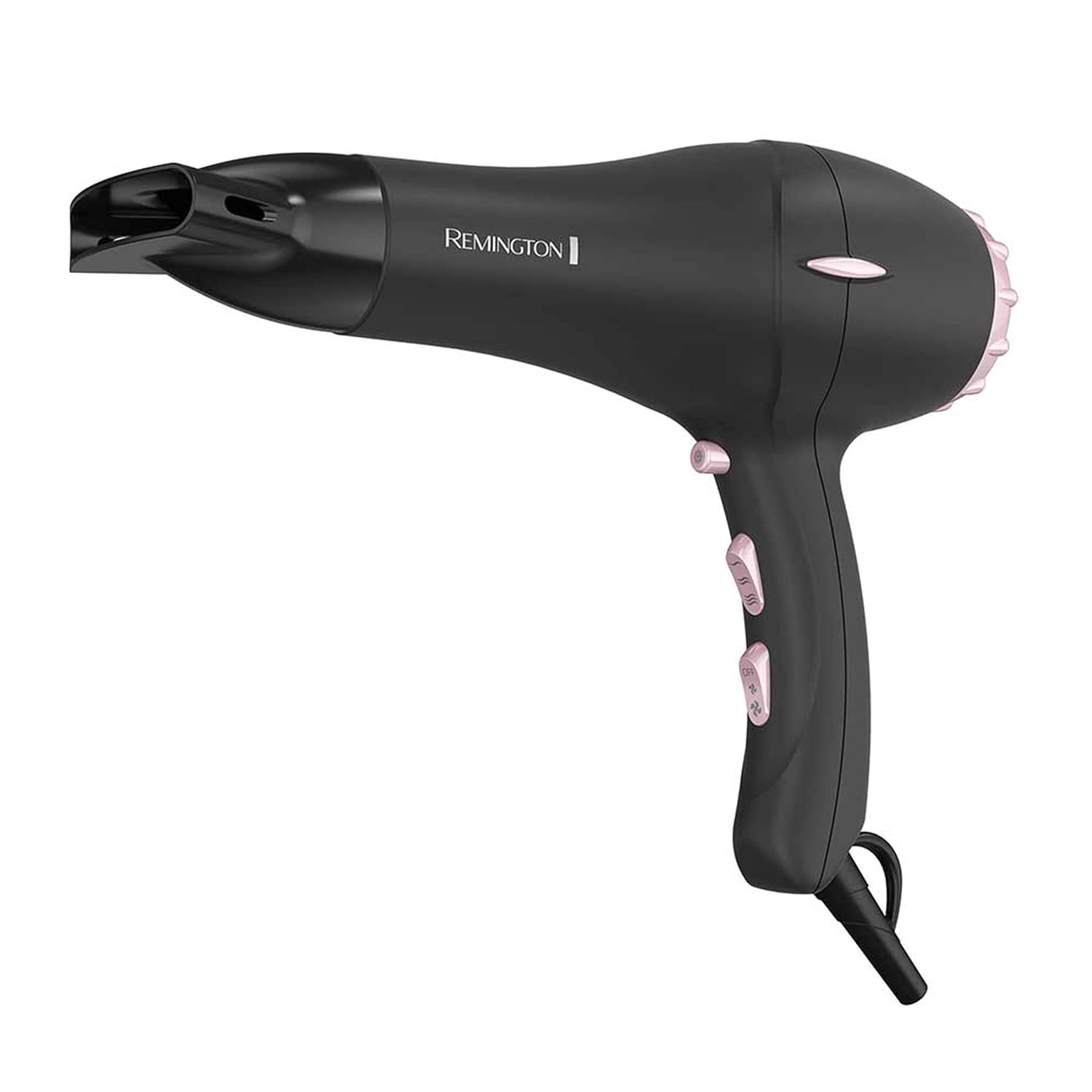
Powerful airflow makes drying acrylic pours quicker without overheating the paint. A perfect match for hobbyists needing reliable drying that won’t disturb delicate pours.
Its real crushed pearl ceramic grille helps in reducing static and frizz, ideal for smooth finishes on your artwork.
Getting it set up is straightforward with three heat settings and two speed options to control airflow and temperature gently. The cool shot button adds an extra layer of control for setting your pour quickly without extra heat. The corded design offers consistent power without interruption, which matters during pouring sessions.
Quiet yet strong, this hair dryer keeps the airflow steady thanks to its AC motor, great for repeated use without burning out. The ceramic technology softens the air, preventing rough, rapid drying on your acrylic surface. Some find it a bit heavier compared to other models, though durability makes up for that.
It’s built tough, lasting through many pours without performance dips.
The strongest praise lies in its high-powered airflow and durable motor that maintain steady drying without overheating acrylic pours. The most common complaint revolves around its weight being a bit cumbersome for extended use compared to lighter models.
People who want efficient and consistent drying with adjustable heat will appreciate this model. Those seeking something lightweight or with more speed choices might want to explore alternatives better suited to delicate or fast-changing needs.
Pros
- 40% faster airflow than standard dryers
- Advanced pearl ceramic technology reduces static
- Multiple heat and speed settings for control
- Durable professional-grade AC motor
Cons
- Heavier than some other hair dryers
- Only two speed options might limit airflow control
| Specification | Details |
|---|---|
| Wattage | 1875 watts |
| Power Source | Corded Electric |
| Number of Speeds | 2 |
| Number of Heat Settings | 3 |
| Maximum Temperature | 150 °C |
| Voltage | 125 volts |
10. Hilitand Rechargeable Cordless Paint Dryer

Drying acrylic pours can be tricky, especially when heat might ruin the delicate layers. Perfect for artists who want control without tethering to an outlet, this cordless dryer stands out by offering strong airflow and a gentle cool air option to protect your work while speeding up drying time.
Setting up involves charging the built-in 2000mAh Li battery, which keeps it portable and convenient for use anywhere. Adjusting the air pressure lets you find the right balance between quick drying and safety for your surfaces. The lightweight design fits comfortably in hand, making detailed work less tiring throughout a painting session.
The motor delivers powerful airflow thanks to a 500W brushless engine, which pushes air with double pressure to dry paint effectively. It’s built to last, with enhanced fan blades and a sturdy feel.
Most people like its quiet and cool air setting, but some mention the battery life could be better on longer projects.
The strongest praise lies in the effective cooling and adjustable airflow that speeds drying without damaging sensitive paint layers. Common complaints revolve around how long the battery lasts, which sometimes falls short during longer creative sessions.
People who need mobility and gentle drying benefits will find this dryer useful. Consider other options if you expect to work for hours without recharging or want a unit with more precise power details.
Pros
- Strong airflow with double air pressure
- Portable and cordless with rechargeable battery
- Cool air setting protects delicate surfaces
- Brushless motor increases durability
Cons
- Battery life may be shorter for extended use
- Power rating listed as 1 kwh can be confusing
| Specification | Details |
|---|---|
| Wattage | 1 kwh |
| Power Source | AC/DC |
| Motor | 500W BRUSHLESS MOTOR |
| Battery Capacity | 2000mAh Li battery |
| Special Features | Adjustable air pressure, cool air drying |
11. LANGE PowerStyle Turbo Ionic Hair Dryer
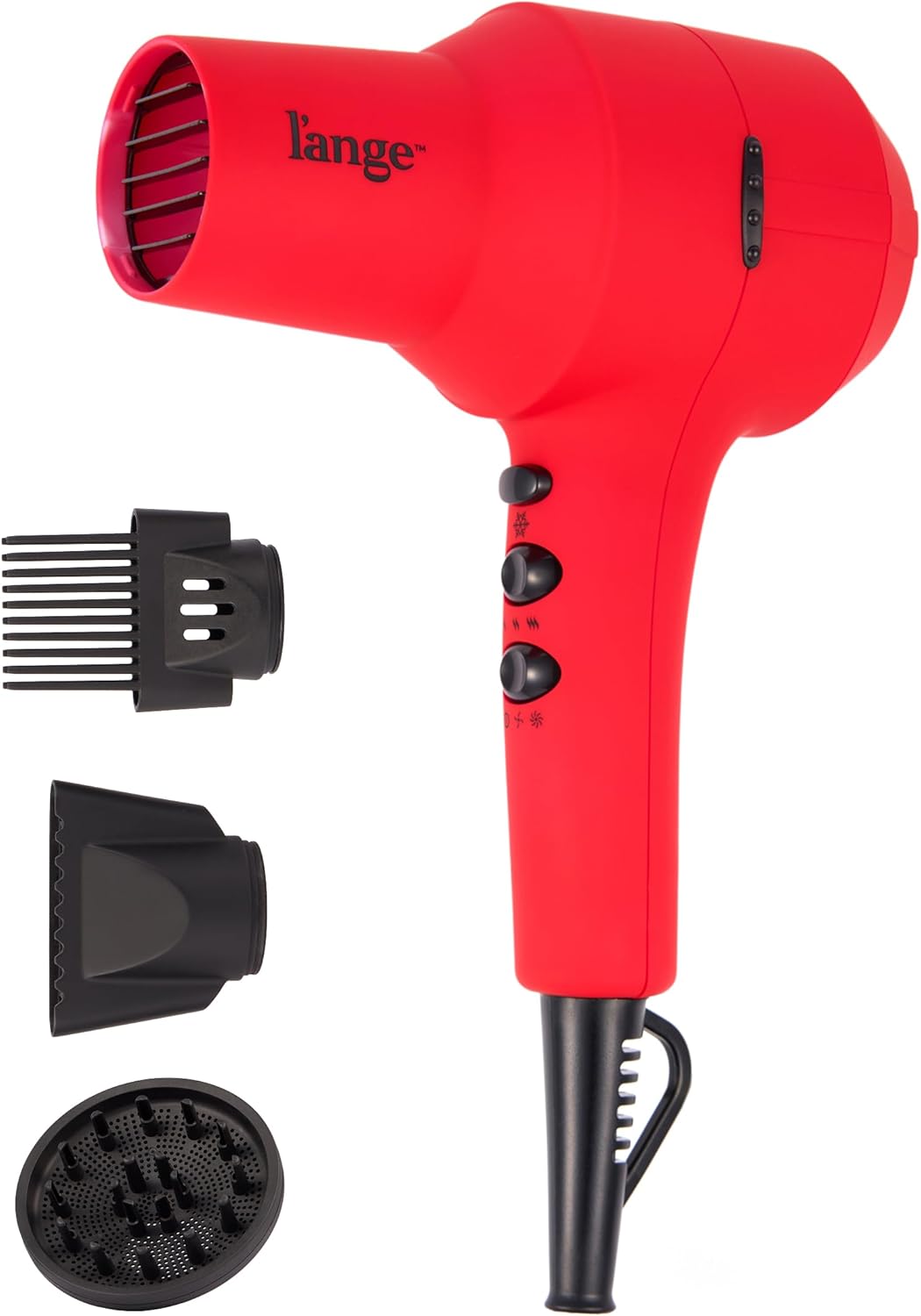
1875 watts of power drives quick drying for all hair types, making it ideal for anyone wanting a fast, professional finish. Lightweight at just 1.32 lbs, it fits comfortably in hand while managing humidity and frizz with ionic technology.
Setup is as simple as plugging it in and choosing from three heat settings and two speeds. The cool shot button helps lock styles in place. Its compact design doesn’t strain the wrist, so styling stays comfortable during use, whether drying short or long hair.
Delivers strong airflow that reduces drying time dramatically. The build feels solid and well-balanced in hand.
Most praise highlights how fast it dries with minimal frizz, while some find the heat settings less varied than expected for detailed styling.
Strong airflow makes drying noticeably faster with less frizz, widely praised for saving time. Heat setting options are fewer than some would like, limiting flexibility in adjusting temperature precisely.
Anyone looking for a quick and efficient hair drying experience will appreciate this dryer’s power and lightweight design. Those needing more heat control or speed variations might want to explore alternatives with tailored settings.
Pros
- Powerful airflow reduces drying time substantially
- Lightweight design minimizes arm fatigue
- Cool shot button locks in styles effectively
- Ionic technology helps control frizz
Cons
- Limited variation in heat settings
- Only two speed options might feel restrictive
| Specification | Details |
|---|---|
| Wattage | 1875 watts |
| Power Source | Corded Electric |
| Number of Speeds | 2 |
| Number of Settings | 3 |
| Weight | 1.32 lbs |
| Voltage | 125 volts |
12. Conair Infiniti Pro Hair Dryer

Ideal for artists working with acrylic pouring, this hair dryer suits those needing a reliable and powerful tool to control airflow for drying. Its biggest strength lies in a strong 1875-watt motor that quickly dries layers without disturbing delicate paint patterns.
Setting it up is simple with its lightweight design and convenient hanging loop, making storage easy in a crowded studio. The removable air filter aids in keeping the dryer clean from paint dust.
Two speed settings and three heat options offer control over airflow intensity and temperature to protect acrylic finishes while speeding up drying.
The motor delivers consistent, fast airflow that reduces drying time, helping keep poured designs intact. The diffuser and concentrator attachments stay securely attached, making it easy to direct air precisely where needed.
Most users note excellent frizz control on hair, which translates to gentle treatment of acrylic layers. Some mention the basic controls feel a bit limited compared to professional models.
Many praise the strong airflow and frizz control features that make drying smooth and well-controlled, critical for protecting acrylic pour details. Frequent remarks include that control options feel somewhat basic, which might not suit highly specialized drying needs.
Those drying delicate acrylic pours will appreciate the precise air direction and manageable weight, while artists needing advanced temperature control or industrial durability might seek alternatives better suited for continuous, heavy use.
Pros
- Powerful motor delivers fast and even airflow
- Lightweight, easy to handle for detailed work
- Removable filter simplifies cleaning
- Diffuser and concentrator stay securely in place
Cons
- Limited speed and heat controls
- Not specifically designed for industrial art use
| Specification | Details |
|---|---|
| Wattage | 1875 watts |
| Power Source | Corded Electric |
| Number of Speeds | 2 |
| Number of Settings | 3 |
| Special Features | Cool Shot Button, Hanging Loop, Lightweight, Removable Air Filter, Tourmaline Technology |
| Hair Type | Curly, Fine, Thick |
Best Hair Dryers for Acrylic Pouring Compared
| Product | Wattage | Power Source | Portability | Special Features |
|---|---|---|---|---|
| Mini Ceramic Blow Dryer | 1000 watts | Corded Electric | Lightweight, Portable | Compact, Hanging |
| Foldable Travel Hair Dryer | 1200 watts | Corded Electric | Foldable | – |
| Compact Mini Hair Dryer | 1000 watts | Corded Electric | Lightweight, Compact | Adjustable, Ionic Technology |
| Wireless Craft Air Blower | 500 watts | – | – | – |
| Mini Ceramic Travel Dryer | 1000 watts | Corded Electric | Compact | – |
| Cordless Speed Paint Blower | – | Cordless | Portable | Specifically for paint pouring |
| Cordless Mini Paint Blower | 7.2 volts | Wind powered | Lightweight, Portable | Adjustable Speed |
| Adjustable Speed Paint Blower | 10 watts | Battery Powered | Portable, Cordless | Multiple Nozzles, Adjustable Speeds |
| Remington Pro Pearl Dryer | 1875 watts | Corded Electric | – | Anti-Static, Ceramic Technology |
| Hilitand Cordless Paint Dryer | 1 kwh | AC/DC | – | Adjustable |
| LANGE PowerStyle Ionic Dryer | 1875 watts | Corded Electric | – | Ionic Technology, Cool Shot |
| Conair Infiniti Pro Dryer | 1875 watts | Corded Electric | Lightweight | Tourmaline Technology, Cool Shot |
- Wattage1000 watts
- Power SourceCorded Electric
- PortabilityLightweight, Portable
- Special FeaturesCompact, Hanging
- Wattage1200 watts
- Power SourceCorded Electric
- PortabilityFoldable
- Special Features–
- Wattage1000 watts
- Power SourceCorded Electric
- PortabilityLightweight, Compact
- Special FeaturesAdjustable, Ionic Technology
- Wattage500 watts
- Power Source–
- Portability–
- Special Features–
- Wattage1000 watts
- Power SourceCorded Electric
- PortabilityCompact
- Special Features–
- Wattage–
- Power SourceCordless
- PortabilityPortable
- Special FeaturesSpecifically for paint pouring
- Wattage7.2 volts
- Power SourceWind powered
- PortabilityLightweight, Portable
- Special FeaturesAdjustable Speed
- Wattage10 watts
- Power SourceBattery Powered
- PortabilityPortable, Cordless
- Special FeaturesMultiple Nozzles, Adjustable Speeds
- Wattage1875 watts
- Power SourceCorded Electric
- Portability–
- Special FeaturesAnti-Static, Ceramic Technology
- Wattage1 kwh
- Power SourceAC/DC
- Portability–
- Special FeaturesAdjustable
- Wattage1875 watts
- Power SourceCorded Electric
- Portability–
- Special FeaturesIonic Technology, Cool Shot
- Wattage1875 watts
- Power SourceCorded Electric
- PortabilityLightweight
- Special FeaturesTourmaline Technology, Cool Shot
How to Choose the Best Hair Dryer for Acrylic Pouring
Choosing a hair dryer with adjustable heat settings and a consistent airflow is essential for acrylic pouring to prevent damaging the paint. A lightweight, easy-to-handle design also helps reduce fatigue during use. Getting these factors right ensures smoother results and avoids unnecessary costs from mistakes or replacements.
Heat Control and Settings
Adjusting the heat accurately makes a big difference when working with acrylics of varying thickness. High settings can quickly dry thin pours but tend to warp or bubble thicker layers if left unchecked. Low or cool settings provide gentler drying, preventing colors from shifting or paint from cracking.
Many dryers offer at least three heat levels, with a cool shot option being especially helpful to lock in details without adding heat stress.
Consistent temperature output avoids sudden spikes that damage the artwork’s surface. Fluctuations can cause uneven drying, leading to unwanted textures or weak spots.
A reliable model maintains steady warmth throughout use, allowing you to move the dryer smoothly without worrying about scorching your piece.
Airflow and Power
Strong, controlled airflow speeds up drying but requires precision to avoid splattering paint or disturbing layers already set down. Power around 1800-2000 watts is common for this type of tool, producing enough force to move air effectively without knocking over wet pours. Adjustable speed settings make it easier to dial in just the right amount of air, from a soft breeze to a stronger gust.
Balancing airflow and power avoids disruption of delicate pours, especially when working with cells and complex textures. A steady, controllable stream helps keep the surface intact and prevents mixing unintended colors or patterns during drying.
Ergonomics and Weight
Pouring sessions can stretch over hours, and a hair dryer that weighs too much or feels clunky quickly tires your hand. Lightweight models, usually under 2 pounds, make it easier to hold steady, reducing fatigue.
A comfortable grip designed to fit the hand well helps maintain control and precision for detailed areas.
Compact size improves maneuverability around the canvas edges or inside small pours. A bulky dryer can get in the way or cause you to lose your angle on the paint surface. Ergonomics here mean less strain on wrists and more consistent results.
Noise Level
Working quietly helps maintain focus, especially for longer creative sessions. A noisy dryer makes it harder to concentrate on the pour and can disturb the studio atmosphere, particularly if other tasks or people are nearby.
Models producing around 60 decibels or less can blend into background noise nicely.
Reduced vibration improves handling and control, preventing shaky movements that might ruin fine details during drying. A stable tool feels more precise and less distracting, making a smooth drying process possible.
Durability and Maintenance
Frequent use in a studio means the dryer must stand up to repeated handling without parts loosening or failing. Solid plastic or metal housing resists damage better than cheaper materials.
Easy-to-clean surfaces prevent paint from sticking and causing jams or clogs.
A reliable motor capable of sustained operation avoids overheating mid-session, ensuring consistent performance over time. Simpler designs without too many electronic parts tend to last longer and are easier to maintain for daily creative work.
Optimal Hair Dryer Techniques for Acrylic Pouring
Controlling airflow is key when using a hair dryer for acrylic pouring projects. Strong, focused air can move the paint too quickly, causing unwanted blending or puddling. Aim for a low to medium setting to gently push the paint across the canvas without overwhelming the mixture.
Hold the dryer 6 to 12 inches away from your work to avoid disturbing delicate patterns. A diffuser attachment can help distribute air evenly, reducing the chances of creating harsh lines or drying parts prematurely. Move the dryer in slow, sweeping motions to keep the flow consistent.
Some quick tips:
- Keep the dryer moving to prevent heat buildup on one area.
- Use the cool shot button periodically to set patterns.
- Avoid high heat settings to protect your paint and canvas integrity.
These steps will help control the drying process and preserve details in your acrylic pouring artwork.
Maintaining and Cleaning Your Hair Dryer for Longevity
Regular cleaning of your hair dryer extends its lifespan and keeps airflow steady, which is essential for consistent acrylic pouring results. Dust and paint residue can accumulate around vents and fans, reducing efficiency and potentially overheating the device.
Unplug the dryer and remove attachments before cleaning. Use a small brush or compressed air to clear vents of dust.
Wipe the exterior with a slightly damp cloth to remove paint splatters or sticky spots, ensuring no moisture enters the machine.
Maintenance pointers:
- Check vents weekly if you use the dryer often during pours.
- Store the hair dryer in a dry place away from paint fumes or drips.
- Inspect the power cord regularly for damage to avoid electrical issues.
Consistent care maintains performance and reduces the risk of malfunction during art sessions.
Comparing Hair Dryers and Alternative Heat Sources for Acrylic Pouring
Hair dryers offer portability and fine control over airflow, making them appealing for acrylic pouring. They allow gradual drying and manipulation of paint layers but usually operate at limited heat levels compared to other sources.
Heat guns produce stronger heat and air pressure, which can speed the drying process considerably. However, they require more careful handling to prevent scorching or damaging the canvas. Small heat guns might be suitable if you need faster drying, but they lack the adjustable airflow control hair dryers provide.
Other options include using fans to circulate air without heat, which slows drying but reduces paint movement. Some artists prefer gentle sunlight or warm rooms for natural curing without mechanical devices.
Considerations when choosing heat sources:
- Airflow control needs versus drying speed.
- Risk of damaging delicate paint layers.
- Portability and ease of cleaning.
Assess these factors based on your style and workspace for the best acrylic pouring experience.
People Also Asked
How Do I Use a Hair Dryer for Acrylic Pouring Safely?
Use a hair dryer on a low heat setting and keep it moving to avoid overheating any part of the paint. Keeping the dryer at least a few inches away from the canvas prevents blowing the paint too hard and creating unwanted splatters.
What Size Hair Dryer Is Ideal for Acrylic Pouring Projects?
A medium-sized hair dryer with adjustable speed and heat settings works best, providing enough control to manipulate the paint without causing damage. Too much power or heat can dry the paint unevenly or blow it off the canvas.
Can a Hair Dryer Damage My Acrylic Paint While Pouring?
Using too high heat or holding the dryer too close can cause the acrylic paint to bubble or thin out, leading to ruined textures. Cooler air and gentle air flow are safer ways to help spread the paint and create cells in pouring.
How Long Does a Hair Dryer Typically Last with Acrylic Pouring?
A good hair dryer used occasionally for acrylic pouring can last several years, but frequent use on high heat can wear it out faster. Cleaning the air vents regularly helps maintain airflow and prolongs the dryer’s life.
What Common Problems Occur When Using a Hair Dryer for Pouring?
Common issues include paint blowing off the canvas, uneven drying, and inconsistent cell formation. Controlling air speed and heat while constantly moving the dryer prevents these problems. Keeping a steady hand and practicing technique improves results.
Conclusion
Choosing a hair dryer for acrylic pouring depends mostly on wattage, airflow control, and heat settings. A dryer with adjustable speeds and temperatures helps manage the drying process without overheating your paint. Also, pay attention to the dryer’s size and weight since you might hold it for extended periods during your work.
Consider how much space you have and how often you will be using the dryer. A compact model works better for small workstations, while a more durable dryer might be worth the investment for frequent use.
Refer back to the comparison table and the picks above to find an option that fits your specific needs and budget.