How to Dye Locs: A Step-by-Step Guide for Vibrant Results
Dyeing locs is a straightforward process when done carefully to protect the integrity of your hair. To dye locs, start by selecting a suitable hair dye formulated for your hair type, prepare your locs by washing and drying them thoroughly, then apply the dye evenly while ensuring full saturation. After processing, rinse and moisturize your locs to maintain their health and color vibrancy.
Changing the color of your locs can refresh your style, express your personality, or cover gray strands without losing the unique texture or look of your locs. Proper technique matters because locs are densely packed and can be more challenging to dye evenly compared to loose hair. The dye must penetrate all layers, and the hair should be carefully maintained to prevent dryness or damage.
This article will explore the best types of dye for locs, necessary preparation steps, detailed application methods, aftercare tips, and ways to avoid common problems like uneven color or hair damage. Whether dyeing locs for the first time or refreshing color, following these guidelines will help achieve lasting, vibrant results.
Choosing the Right Hair Dye for Locs
Permanent vs. Semi-Permanent Dyes
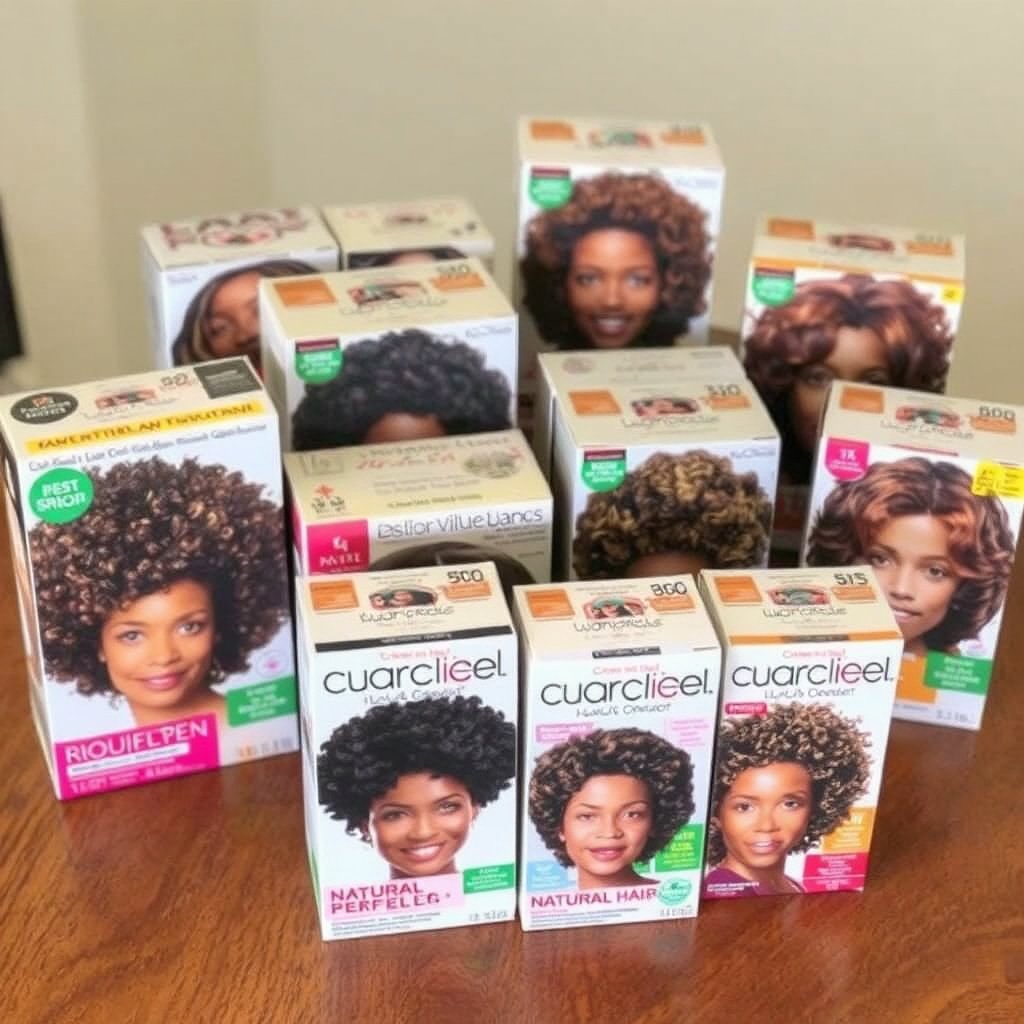
Permanent dyes penetrate the hair shaft deeply, offering long-lasting color but can be harsher on locs due to chemical strength. Semi-permanent dyes coat the hair strands and gradually wash out, less damaging but requiring more frequent touch-ups. For locs, semi-permanent dyes are often recommended to minimize dryness and maintain hair health.
Choosing between these dye types depends on your desired longevity and hair condition. If you want a vibrant color that lasts many weeks, permanent dye is an option but be prepared to invest in thorough aftercare. Semi-permanent dyes provide flexibility and are a safer choice for first-timers or those with fragile locs.
- Permanent dye: long-lasting, stronger chemicals
- Semi-permanent dye: gentle, colors wash out gradually
- Consider hair health before permanent options
Best Hair Dye for Locs
Look for dyes formulated without harsh chemicals like ammonia or excessive peroxide. Brands that emphasize natural ingredients such as henna, indigo, or vegetable-based dyes are gentler on locs and add conditioning benefits. These dyes also help preserve the locs’ texture and reduce the risk of dryness.
Patch testing is crucial to check for allergic reactions, especially with chemical dyes. Choosing well-reviewed products designed for natural or textured hair ensures better color penetration and retention in locs, avoiding patchy results or damage.
- Avoid ammonia and high peroxide concentrations
- Try henna or vegetable-based dyes for conditioning
- Perform a patch test before full application
Preparing Locs for Dyeing
Cleaning and Conditioning
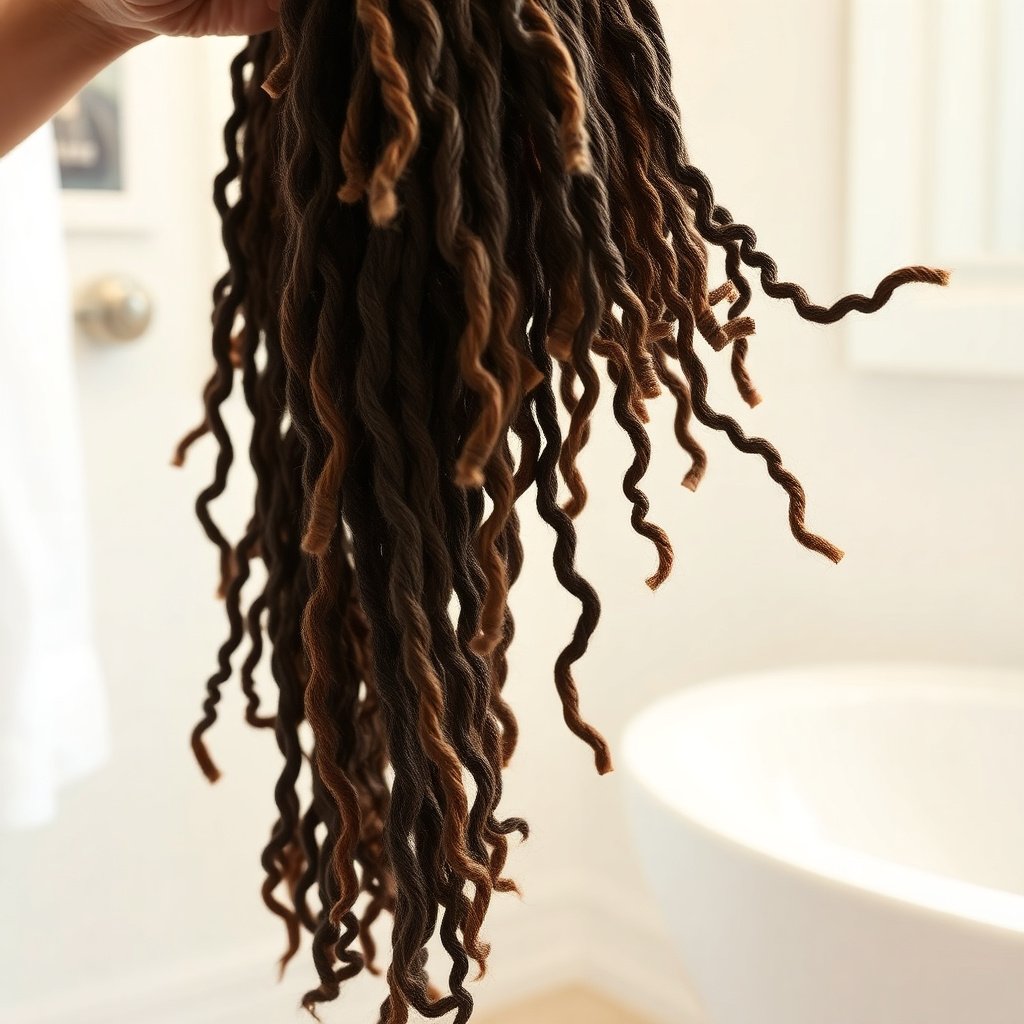
Start by thoroughly washing your locs with a residue-free clarifying shampoo to remove buildup and ensure the hair can absorb dye evenly. After rinsing, deep condition to restore moisture that might be stripped during the dyeing process.
Completely drying locs before dyeing is critical since wet or damp locs can dilute the dye, causing uneven coloration. Locs typically take longer to dry, so plan accordingly or use gentle air drying.
- Use clarifying shampoo to remove residues
- Deep condition to maintain moisture
- Ensure 100% dryness before applying dye
Sectioning Locs for Even Application
Divide your head into manageable sections using clips to ensure every loc receives equal dye coverage. This organization helps prevent missing spots and allows better control during application.
Smaller sections allow you to distribute hair dye precisely, reducing waste and improving saturation. It also simplifies the rinsing and washing process after the recommended processing time.
- Clip hair into 4 to 6 even sections
- Work section by section for accuracy
- Small sections improve dye distribution
Applying Dye to Locs Safely
Tools and Techniques for Application
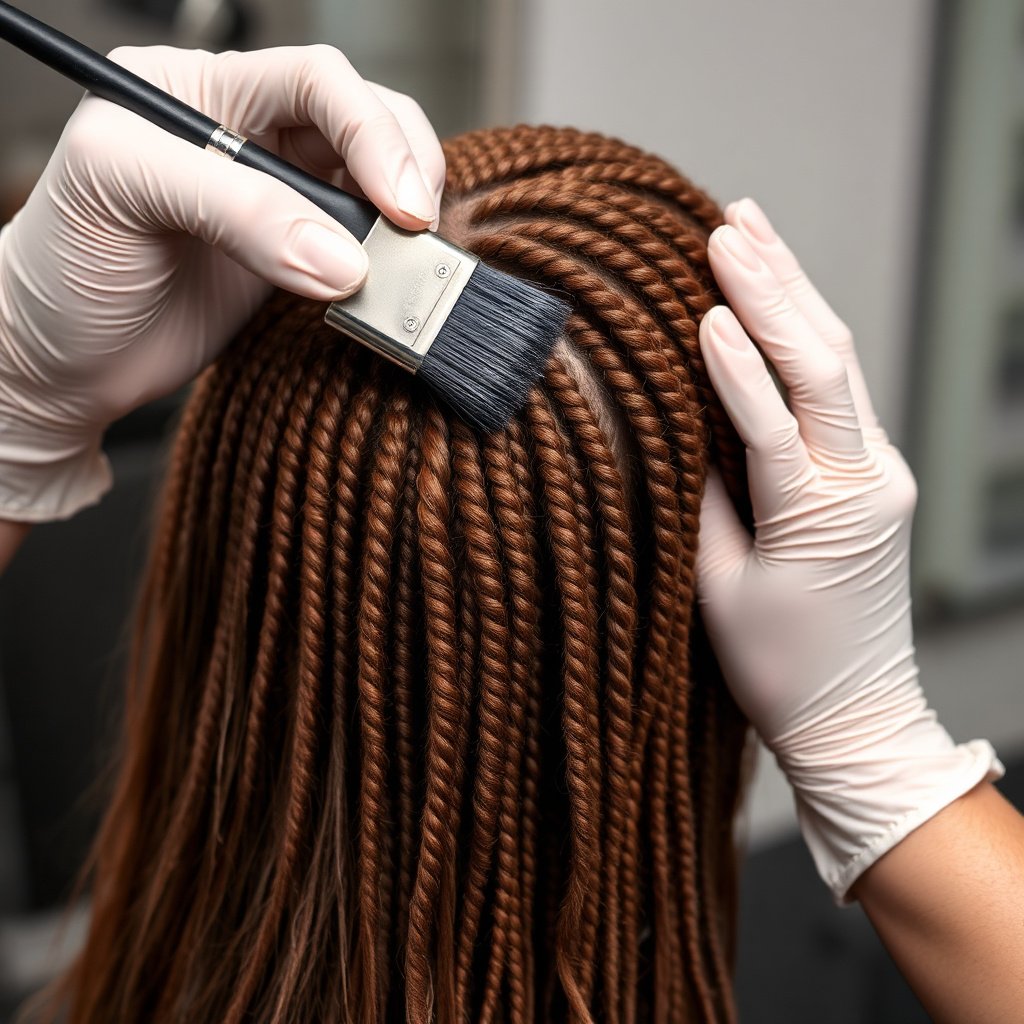
Using appropriate tools like a dye brush and bowls helps spread the dye evenly through the locs. Gloves protect your skin while ensuring hygiene. Start applying from roots to tips for full coverage, taking care to saturate the densely packed locs fully.
A comb or fingers can be used to work the dye into the locs, especially in thicker sections. Consistent, thorough application prevents patchiness and maximizes vibrant color.
- Use dye brush and gloves for clean application
- Apply from roots to tips systematically
- Work dye into locs with fingers or comb
For more on this, see our related guide: Distressed Locs Guide: What to Know Before You Buy.
Monitoring and Timing
Leave the dye on for the recommended duration as shown on the product packaging to achieve the intended color. Overprocessing can damage locs, while underprocessing leads to dull tones. Check your locs periodically to assess color development.
Covering your head with plastic wrap during processing traps heat, enhancing dye absorption but avoid overheating which could cause scalp irritation or loc damage.
- Follow product timing exactly
- Cover with plastic wrap to trap heat
- Avoid overprocessing to prevent damage
Aftercare for Dyed Locs
Rinsing and Conditioning Post-Dye
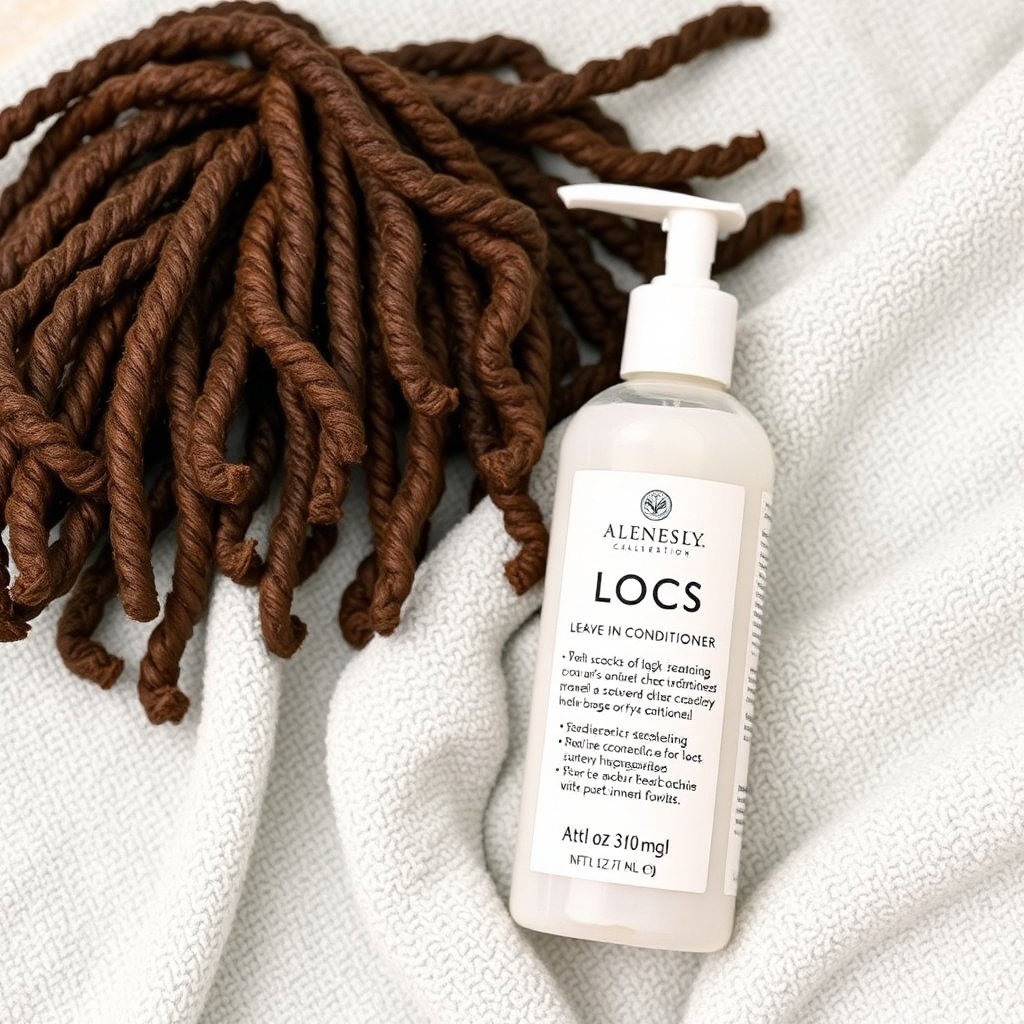
Rinse locs with cool water until runoff is clear to seal the cuticle and lock in color. Avoid hot water, which can cause color to fade faster and dry out locs. Follow with a moisturizing conditioner to replenish hydration lost during dyeing.
Some choose to use color-safe shampoos later on to maintain color vibrancy and scalp health without stripping the pigment.
- Rinse with cool water until clear
- Use moisturizing conditioner post-rinse
- Consider color-safe shampoos for maintenance
Moisturizing and Protecting Locs
Dyed locs can become dry or brittle, so daily moisturizing is important. Use lightweight oils or creams designed for locs to keep them soft and flexible without buildup. Avoid heavy products that clog the hair.
Limit sun exposure and use scarves or hats outdoors to prevent UV damage which can fade color. Regular maintenance keeps locs healthy and vibrant between dye sessions.
- Apply lightweight oils or creams daily
- Avoid heavy products causing buildup
- Protect locs from UV damage outdoors
Common Issues and How to Fix Them When Dyeing Locs
Uneven Color and Patchiness
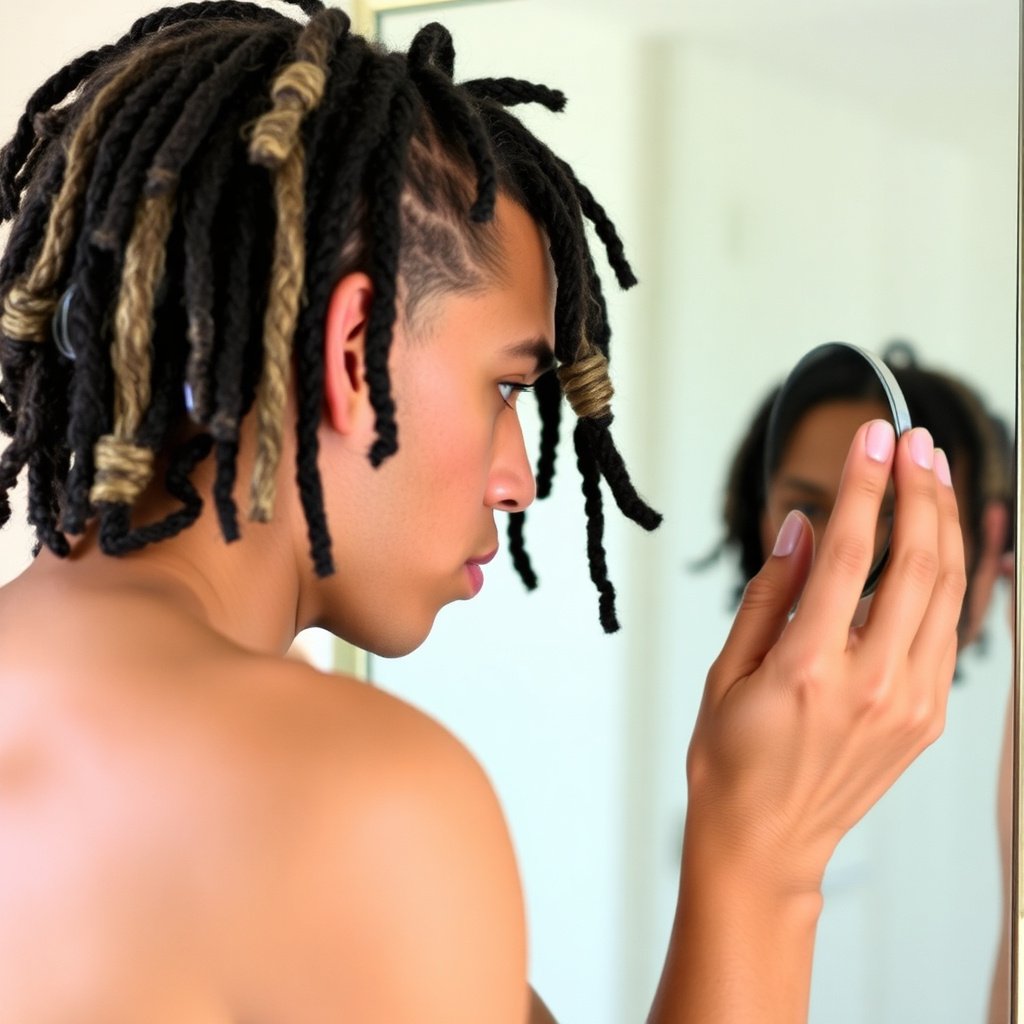
Uneven dye absorption is common due to the thick, matted nature of locs and inconsistent application. Fix this by spot-applying dye to lighter patches or performing a glossing treatment to even out tones.
Ensuring thorough sectioning and saturated application in future dye jobs reduces this issue significantly.
- Spot-treat lighter areas with additional dye
- Use glossing treatments to blend tones
- Improve sectioning and saturation next time
For more on this, see our related guide: Crochet Locs Guide: What to Know Before You Buy.
Dryness and Damage Prevention
Over-dyeing or harsh chemicals can cause brittleness or breakage. To repair, incorporate deep conditioning treatments regularly and avoid overlapping dye on previously dyed locs unnecessarily.
Limit dyeing frequency to every 6-8 weeks and prioritize natural, conditioning dyes for healthier loc maintenance.
- Use deep conditioning treatments often
- Avoid dyeing too frequently
- Choose conditioning-friendly hair dyes
Styling Dyed Locs Safely
Heat Styling Considerations
After dyeing, locs are more vulnerable to heat damage. Use heat tools sparingly and always apply a heat protectant spray. Avoid high temperatures and prolonged exposure which can damage both hair and color.
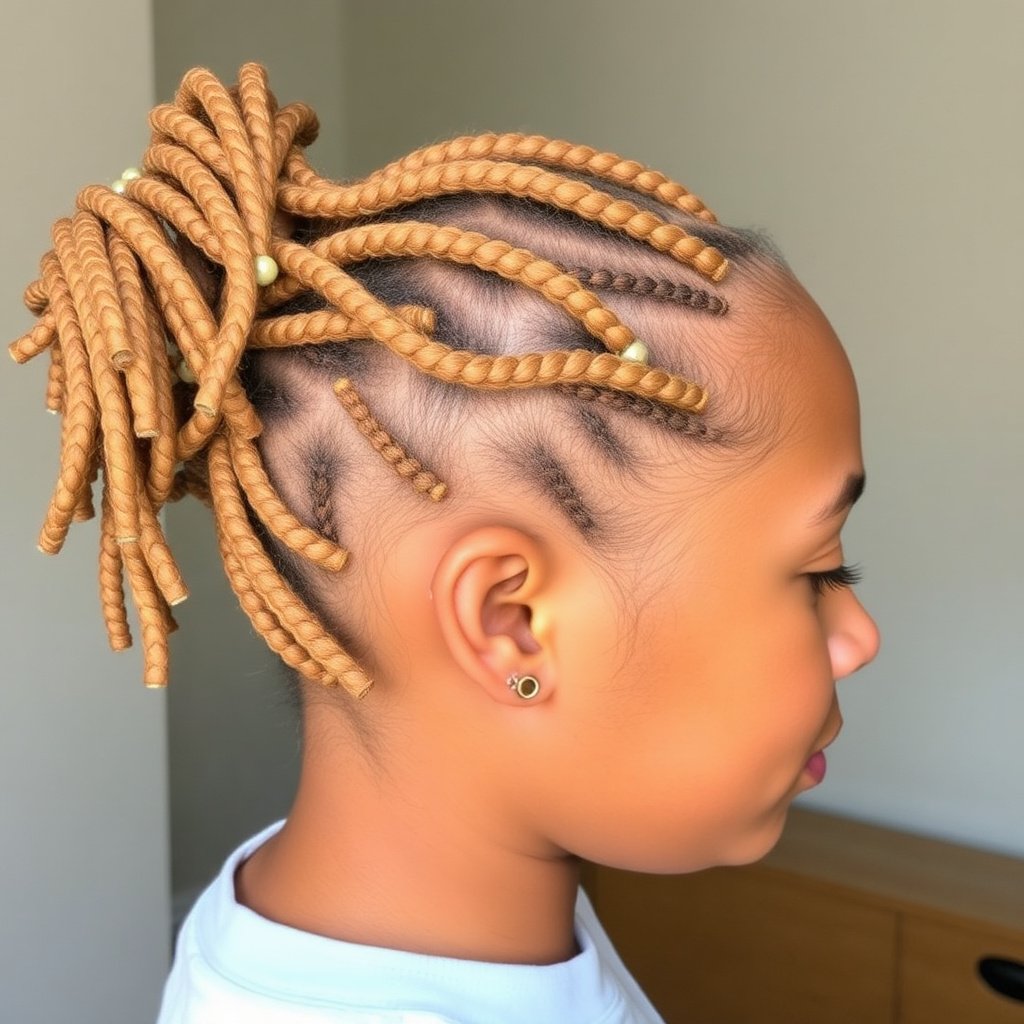
Opt for protective styles like twists, updos, or buns that limit manipulation while showing off your dyed locs.
- Apply heat protectant before styling
- Use low or medium heat settings
- Prefer protective hairstyles post-dye
For a deeper understanding of locs and their cultural significance, you can visit the Loc hairstyle Wikipedia page. Loc hairstyle Wikipedia page.
Maintaining Color When Styling
Handling dyed locs gently helps maintain color integrity. Use satin or silk scarves and pillowcases to reduce friction and fading caused by fabric rubbing during sleep.
Minimize frequent washing to slow color loss, and style without heavy gels or products that may dull the vibrancy.
- Sleep on satin or silk to reduce fading
- Limit washing frequency for longevity
- Avoid heavy styling products that dull color
Hair Dye Types for Locs: A Comparison
Below is a comparison of hair dye types commonly used on locs, highlighting their properties, effects, and suitability.
| Dye Type | Longevity | Hair Damage Risk | Color Vibrancy | Ease of Use |
|---|---|---|---|---|
| Permanent Dye | 8+ weeks | High | High | Moderate |
| Semi-Permanent Dye | 4-6 weeks | Low | Moderate | Easy |
| Henna | 6-8 weeks | Low | Medium to High | Moderate |
| Vegetable-Based Dye | 3-5 weeks | Very Low | Moderate | Easy |
| Temporary Spray or Chalk | 1 day | None | Low | Very Easy |
Frequently Asked Questions
Can I dye my locs at home safely?
Yes, with careful preparation and the right products, you can dye locs at home. Follow product instructions closely, use gentle dyes, and perform a patch test to avoid damage or irritation.
How often should I dye my locs?
Typically, dyeing locs every 6 to 8 weeks helps maintain color without excessive damage. Frequent dyeing may dry out locs and cause breakage.
Will dyeing locs change their texture?
Dyeing, especially with strong chemicals, can alter loc texture by loosening tight coils or causing dryness. Using conditioning dyes and proper aftercare helps preserve loc texture.
How do I prevent color from fading quickly in locs?
Use color-safe shampoos, avoid hot water during washing, limit sun exposure, and moisturize locs regularly with lightweight products to prolong color vibrancy.
Is henna safe for locs?
Henna is a natural, gentle dye that conditions locs while adding color. It's safe and popular for those seeking a chemical-free option, though it offers less dramatic color changes.
Key Takeaways
- Select gentle dyes formulated for natural or loc hair to minimize damage.
- Proper preparation and thorough application ensure even, vibrant color.
- Aftercare with moisturizing treatments preserves loc health and color.
- Limit dye frequency and protect locs from heat and sun to extend color life.
Conclusion
The process of how to dye locs successfully combines the choice of suitable hair dye, thorough preparation, skilled application, and diligent aftercare. Focusing on maintaining hair health throughout ensures your locs remain strong and bright after coloring. Understanding your loc texture and how it interacts with dyes helps tailor your approach for the best outcome.
For those seeking vibrant, long-lasting color, permanent dyes can be effective but require careful maintenance to mitigate damage. Semi-permanent dyes or natural options like henna offer safer alternatives with manageable upkeep, ideal for first-timers or sensitive scalps. Proper sectioning and full saturation during application help avoid uneven patches, a common issue with locs. Regular moisturizing and sun protection are essential to keep dyed locs looking fresh.
Starting with a patch test and selecting a quality, conditioning dye will reduce risks and boost confidence during the process. If you're unsure about dyeing at home, consulting with a professional loctician is a smart next step. With patience and the right techniques, your locs can become a beautiful, colorful expression of your style.