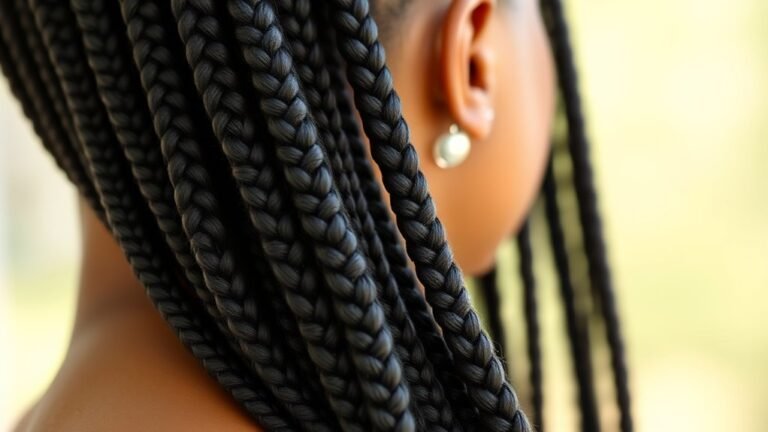
How to Moisturize Locs for Healthy, Hydrated Hair
Moisturizing locs properly means keeping them hydrated without causing buildup, which helps prevent dryness and breakage. Regularly applying lightweight oils, water-based sprays, and natural moisturizers can maintain softness and shine while preserving the integrity of your locs.
Locs, unlike loose hair, require specific moisturizing methods to penetrate the tightly coiled strands and lock in moisture. Without adequate hydration, locs become brittle, leading to damage or thinning. Moisturizing also helps scalp health, reducing itchiness and flaking.
This guide covers the best techniques for moisturizing locs, including daily routines, product recommendations, and tips tailored to different hair types and loc sizes. You'll also learn what to avoid so your locs stay hydrated, clean, and strong.
Understanding Moisture Needs for Locs
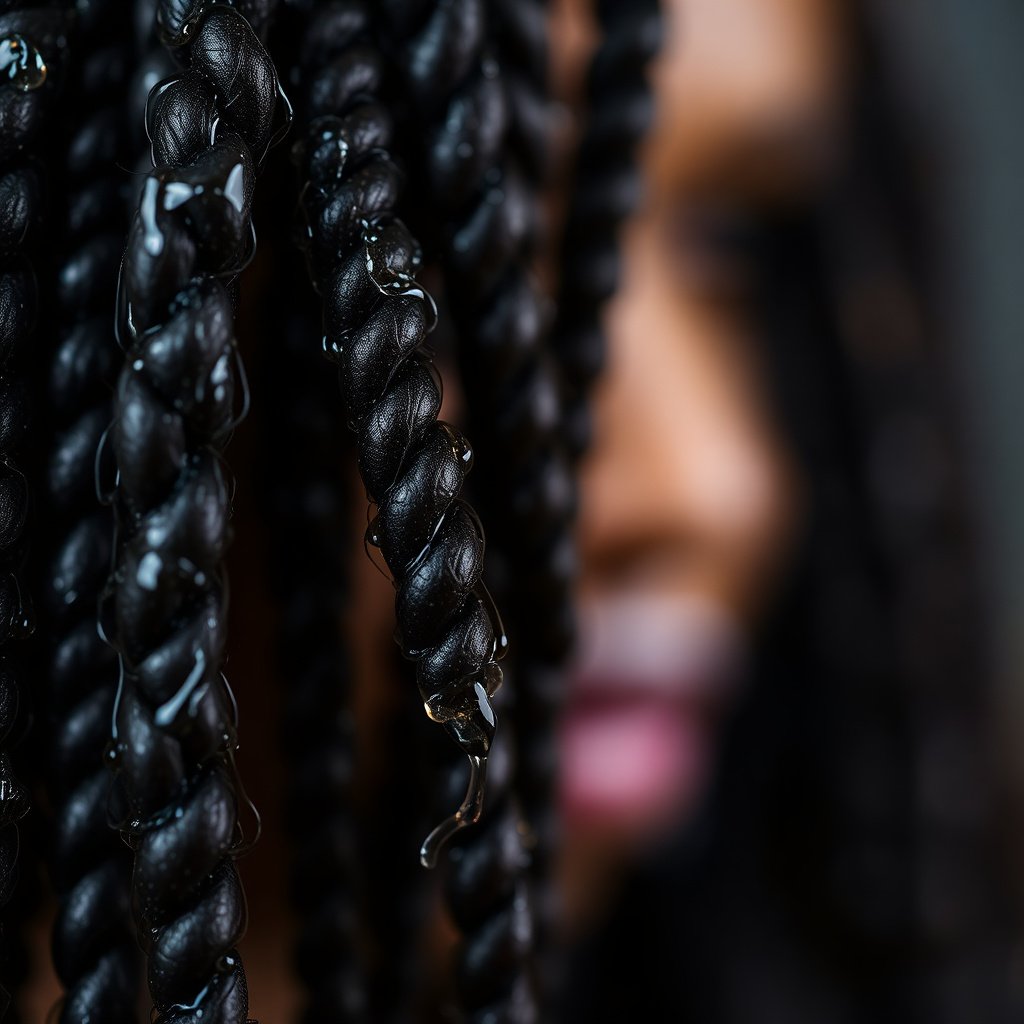
Why Locs Need Specialized Moisturizing
Locs are compacted strands that don’t absorb moisture like loose hair. Their density means water and oils must be applied carefully and consistently to penetrate deeply. Otherwise, moisture stays on the surface, leaving the hair dry inside.
Understanding your hair porosity is key. High porosity locs absorb moisture easily but lose it quickly, whereas low porosity locs can repel water, requiring lighter or heat-assisted moisturizing methods for best results.
Signs Your Locs Are Dry or Needing Moisture
Dry locs often feel rough or brittle to the touch, and may appear dull or frizzy. Breakage at the roots or along the strands can indicate lack of moisture. A dry scalp can also contribute to loc dryness or tightness.
Pay attention to changes in texture and scalp comfort. If you notice increased tangling, flaking, or shrinkage, your locs could be in need of more hydration.
- Dull appearance
- Brittle strands
- Scalp itchiness
- Flaking or dryness
Best Moisturizing Products for Locs
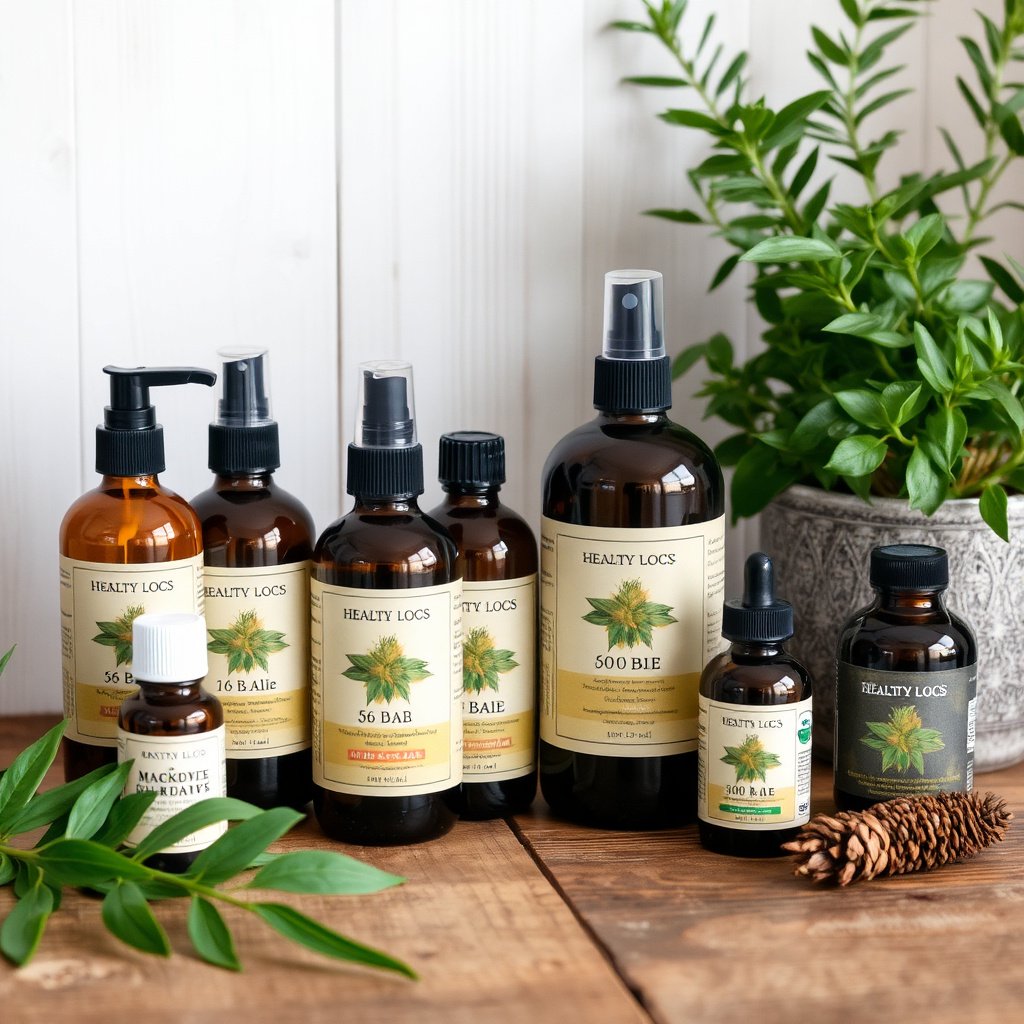
Choosing Lightweight Oils and Sprays
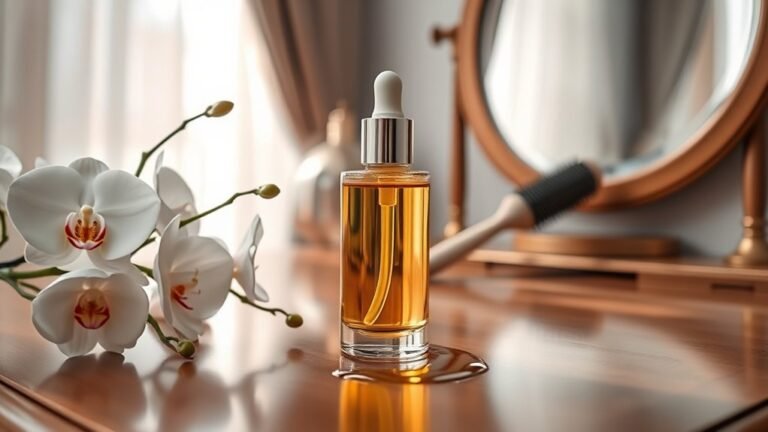
Light oils like jojoba, grapeseed, or argan are excellent for locs because they hydrate without heavy buildup. Avoid heavy petroleum-based products that can clog the locs and attract lint or dirt.
Water-based sprays mixed with essential oils create a gentle moisturizing mist perfect for daily use. These sprays can refresh locs and maintain flexibility without weighing them down.
- Jojoba oil
- Argan oil
- Grapeseed oil
- Rose water spray
Natural Moisturizers and Leave-In Conditioners
Products containing aloe vera, shea butter, and glycerin are popular natural moisturizers that provide hydration and seal moisture effectively. Look for light leave-in conditioners formulated specifically for locs.
Avoid heavy creams or butters unless you have very thick or coarse locs that benefit from richer moisture. Applying too much heavy product can lead to buildup and attract debris.
- Aloe vera gel
- Shea butter (light amounts)
- Glycerin-based sprays
Techniques for Moisturizing Locs Effectively
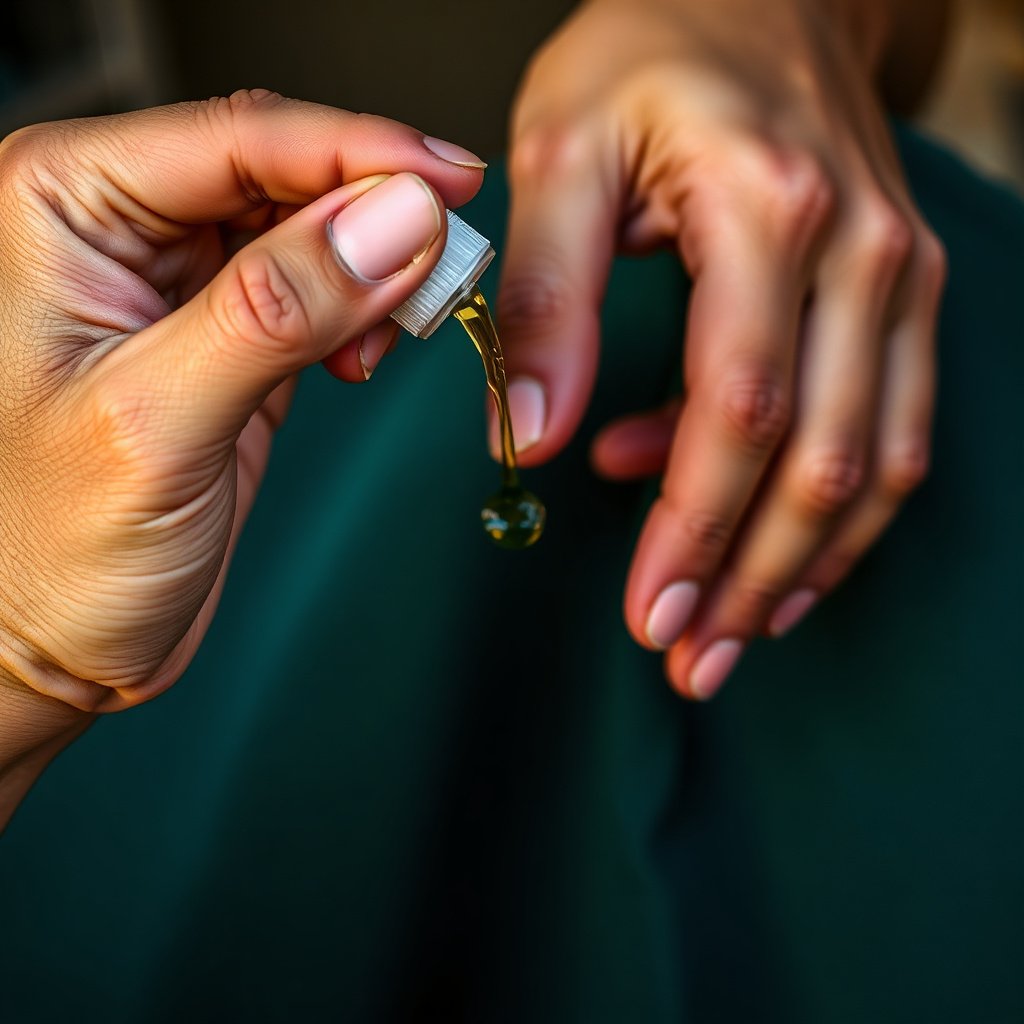
Daily Moisturizing Routine
Spritzing locs with a water-based moisturizer or light leave-in conditioner every day maintains hydration balance without making locs greasy. Follow this by applying a few drops of oil to seal in moisture, focusing on the roots and ends.
Use your fingertips to gently massage the scalp to stimulate circulation and evenly distribute oils. This improves scalp health and encourages stronger loc growth.
- Use water-based sprays daily
- Seal moisture with lightweight oils
- Massage scalp gently
For more on this, see our related guide: Your Guide to Butterfly Locs Crochet Hair: Choosing With Confidence.
Deep Moisturizing Treatments
Weekly or biweekly deep conditioning treatments boost moisture for locs that are dry or exposed to heat styling frequently. Steam treatments or warm oil infusions open the hair cuticle to maximize absorption.
After treatment, cover locs with a plastic cap and leave on for at least 30 minutes before rinsing lightly or drying. This hydration boost helps maintain softness and flexibility.
- Warm oil scalp massages
- Steam or hot towel wrap
- Leave-in moisture creams
Avoiding Common Moisturizing Mistakes

Overusing Heavy Products
Applying thick oils, butters, or heavy creams too frequently leads to buildup that’s hard to wash out and suffocates locs. This can cause odor, attraction of dirt, and scalp irritation over time.
Aim for minimal product application tailored to your hair type, and focus on lightweight options that absorb quickly without residue.
- Avoid petroleum jelly
- Limit heavy hair butters
- Use sparingly to prevent buildup
Skipping Regular Washing and Moisturizing
Failing to cleanse locs removes accumulated dirt but also prevents moisture from penetrating. Dry locs need balanced washing paired with moisturizing to maintain healthy growth and shine.
Wash locs every 1-2 weeks depending on activity level, then follow with moisturizing sprays and oils to lock in hydration.
- Wash with residue-free shampoo
- Moisturize after washing
- Adjust washing frequency to lifestyle
Tailoring Moisture Care to Different Loc Types
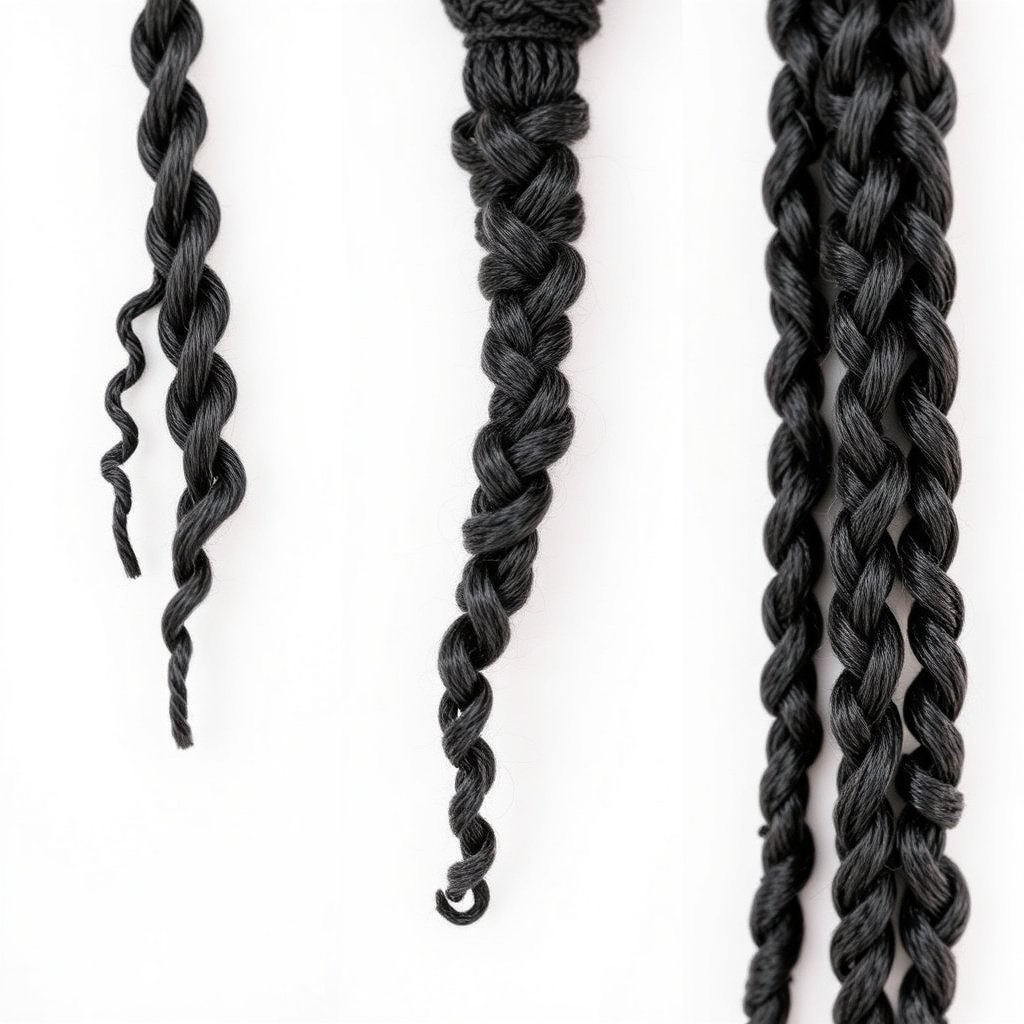
Fine or Thin Locs Moisturizing Tips
Fine locs can become weighed down easily, so light oils and sprays are ideal, applied in moderation. Over-moisturizing may cause limpness and slow drying, increasing breakage risks.
Focus on water-based hydration and light sealing oils, massaging the scalp to stimulate strength and moisture retention without heaviness.
For more on this, see our related guide: Distressed Locs Guide: What to Know Before You Buy.
Thick or Coarse Locs Hydration Strategies
Thicker locs benefit from richer oils and occasional heavier moisturizers like shea butter to combat natural dryness. Applying products in sections helps even distribution and deeper hydration.
Deep conditioning treatments and hot oil massages once a week improve softness and manageability of coarse textures over time.
Maintaining Moisture Balance Year-Round
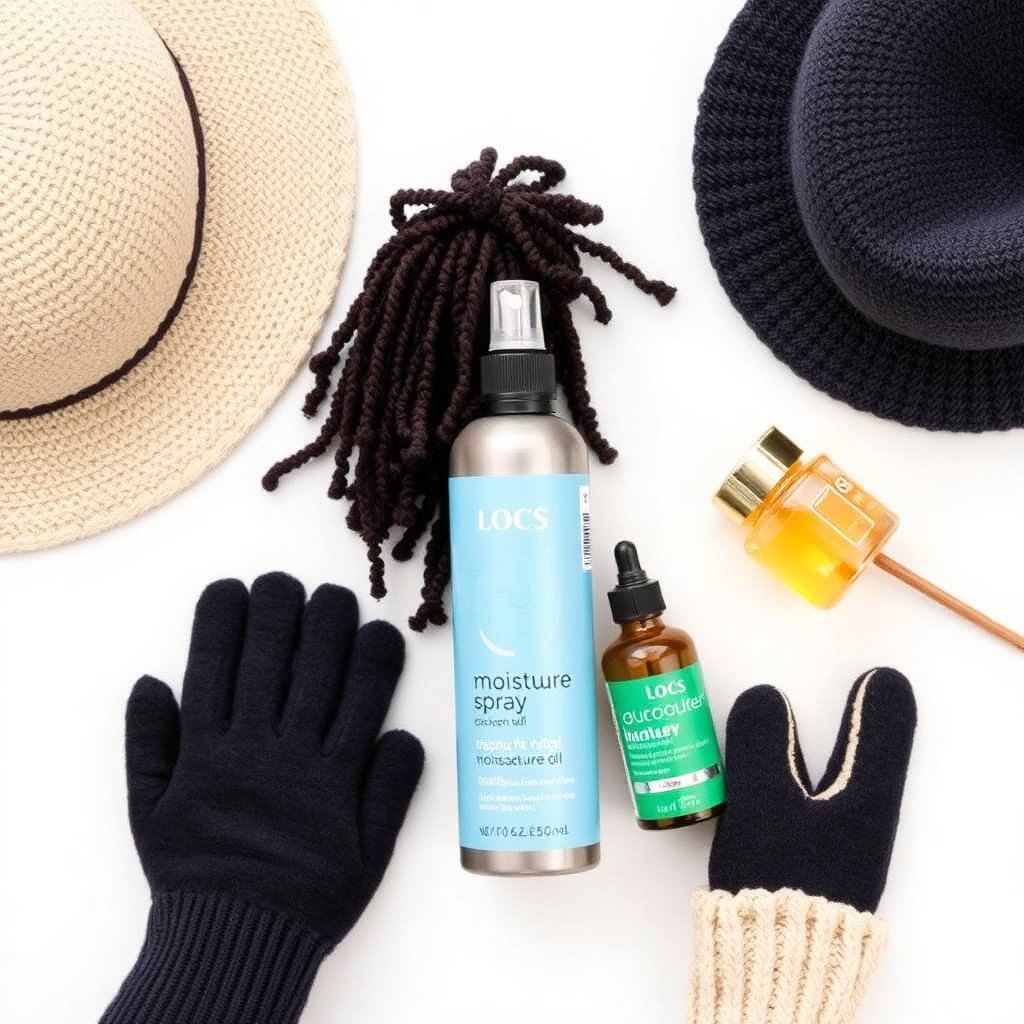
Summer Moisturizing Advice
Hot weather and sun exposure increase moisture loss, so more frequent light misting and scalp protection with hats are useful. Avoid heavy products that attract sweat and dust.
Use SPF hair sprays or protective oils to shield locs while keeping them hydrated.
- Light water-based sprays
- Protect from UV damage
- Frequent scalp cleansing
For a deeper understanding of the history and care of dreadlocks, visit this detailed dreadlocks care guide. dreadlocks care guide.
Winter Hydration Techniques
Dry indoor air in winter depletes moisture rapidly, requiring richer oils and deep conditioning more often. Covering locs with silk or satin scarves helps retain moisture and reduce friction.
Applying oil seals after moisturizing sprays prevents moisture evaporation in cold dry weather.
- Use richer oils like coconut or castor
- Deep condition regularly
- Utilize silk or satin covers at night
Comparison of Moisturizing Products for Locs
Here’s a comparison of different product types to help you choose the best fit for your locs’ moisturizing needs.
| Product Type | Moisture Level | Weight on Locs | Best For | Common Ingredients |
|---|---|---|---|---|
| Lightweight Oils | Medium | Light | Daily use, fine to medium locs | Jojoba, Argan, Grapeseed |
| Water-Based Sprays | Low to Medium | Very Light | Daily hydration, sensitive scalp | Aloe vera, Glycerin, Rose water |
| Heavier Oils/Butters | High | Medium to Heavy | Thick/coarse locs, dry climates | Shea butter, Coconut oil, Castor oil |
| Leave-In Conditioners | Medium | Light to Medium | All loc types, refresh days | Aloe vera, Panthenol, Oils |
| Deep Conditioning Treatments | High | Varies | Weekly care for dry locs | Warm oils, Herbal extracts, Moisturizing agents |
Frequently Asked Questions
How often should I moisturize my locs?
Most people benefit from light daily moisturizing using water-based sprays and sealing oils. Deep conditioning treatments once every one to two weeks also help maintain hydration.
Can I use regular hair oils on my locs?
Using lightweight natural oils like jojoba or argan is recommended. Heavy or petroleum-based oils can cause buildup and interfere with loc health.
Is it necessary to wash locs before moisturizing?
Yes, washing removes dirt and product buildup, allowing moisturizers to absorb effectively. Washing every 1-2 weeks is ideal for most locs.
What should I avoid when moisturizing locs?
Avoid heavy creams, dense butters, and products with petroleum that can cause buildup and attract lint. Limit product application to prevent residue.
Do I need different moisturizers for summer and winter?
Yes, lighter sprays and oils work best in summer for frequent hydration, while richer oils and deep treatments suit dry winter conditions to lock in moisture.
Key Takeaways
- Use lightweight oils and water-based sprays for regular loc hydration.
- Deep condition locs weekly or biweekly to maintain softness.
- Avoid heavy products that cause buildup and scalp irritation.
- Tailor moisturizing methods to your loc type and seasonal needs.
Conclusion
Moisturizing locs requires a strategic approach focused on hydration without buildup. By understanding your hair’s porosity and selecting light oils and water-based sprays, you can maintain healthy, flexible locs that resist breakage. Consistent moisturizing paired with gentle scalp care creates an environment for strong loc growth and lasting shine.
For those with fine or thin locs, daily use of lightweight jojoba or argan oil combined with aloe-based sprays prevents heaviness, while coarse or thick locs often benefit from richer treatments like shea butter and weekly hot oil massages. Seasonal adjustments also matter; light hydration in summer protects against moisture loss, and deeper moisturization in winter combats dryness and brittleness.
Your next step should be to experiment gently with small amounts of recommended products, observing how your locs respond. Regular care routines involving cleaning, moisturizing, and scalp massages will bring out the best in your locs. Remember, moisture balance is key to loc vitality, so stay consistent and attentive to your hair’s unique needs.