How to Start Locs with Comb Coils: A Step-by-Step Guide for Beginners
Starting locs with comb coils is a popular and effective method for creating neat, uniform locs that hold well from the start. This technique involves using a comb to coil small sections of hair tightly, which then mature into fully-formed locs over time. It provides a clean and tidy look while giving your hair the structure it needs to lock properly.
This method matters because it offers a controlled start to the loc journey, reducing frizz and allowing for a consistent size and shape among locs. Many who prefer comb coils appreciate that it sets a solid foundation, making the maintenance process straightforward and results more predictable. It also works well on various hair types, especially coarser and curly textures.
In this article, we’ll walk through the essential steps to start locs with comb coils, what tools and supplies you need, and how to maintain your coils as they begin locking. You’ll also learn about different coil sizes, pros and cons of this method, and how it compares to other loc-starting techniques.
Preparing Your Hair for Comb Coil Locs
Washing and Conditioning Your Hair
Before starting comb coils, it’s essential to wash your hair thoroughly with a residue-free shampoo to remove oils and buildup that could hinder the locs from forming properly. Conditioning is optional but helps keep hair moisturized and manageable.
Avoid using heavy conditioners or oils afterwards that leave residue because this can slow the locking process and attract dirt. Rinse well and let your hair dry until it is damp but not dripping wet.
- Use residue-free shampoo
- Skip heavy conditioners
- Towel dry to dampness
Detangling and Sectioning Hair
Detangle your hair gently using a wide-tooth comb or fingers to remove knots without causing breakage. Section hair evenly based on the desired size of your locs, using clips or rubber bands to hold each part.
Smaller sections result in thinner, more numerous locs, while larger sections create thicker locs. Consistent sectioning helps achieve uniform comb coil locs and a polished look.
- Use wide-tooth comb or fingers
- Section evenly with clips or bands
- Decide on coil size beforehand
Executing the Comb Coil Technique for Locs
Tools Needed for Comb Coil Locs
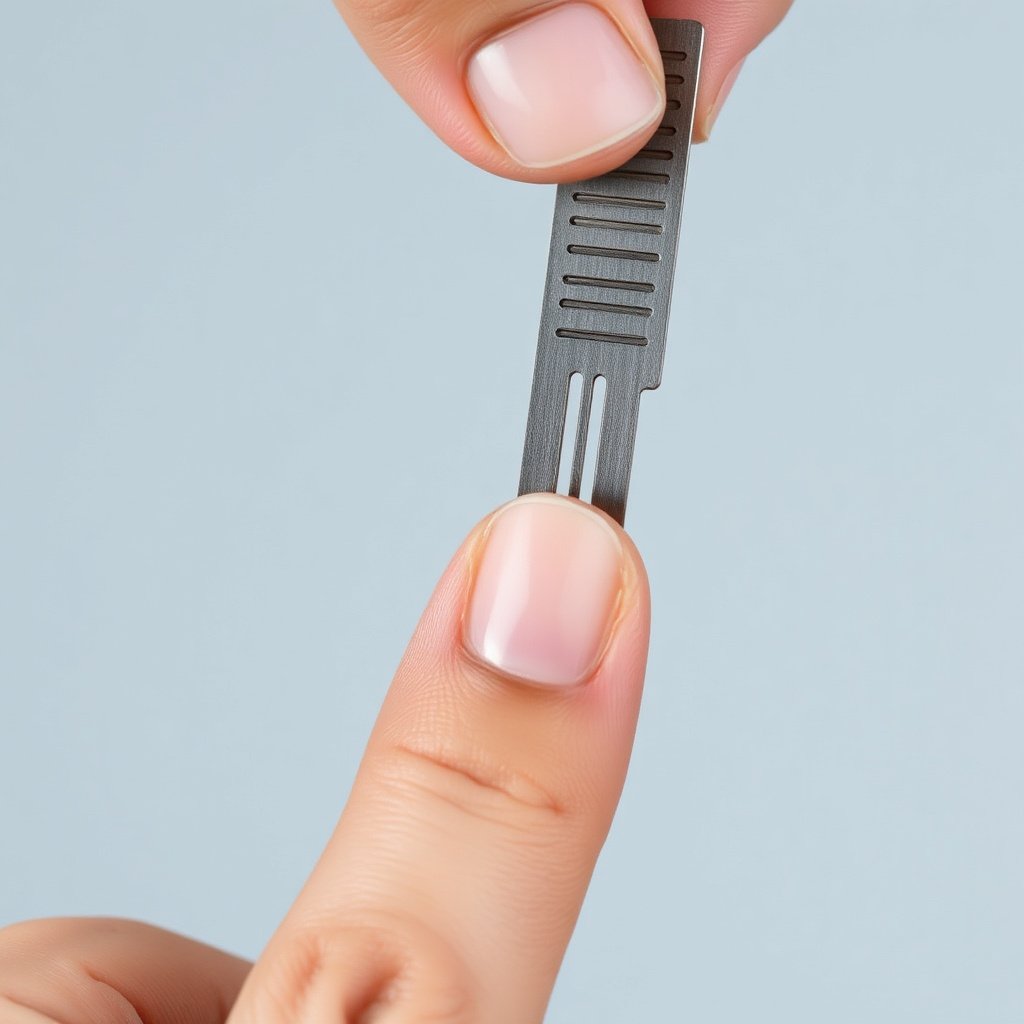
To start comb coil locs, you’ll need a rat-tail comb for parting, a fine-toothed comb or metal comb specifically designed for coiling, hair clips to hold sections, and optionally a light holding gel or twisting cream.
Choosing the right comb is critical; a metal coil comb with rounded teeth can help form tight coils without snagging. The holding product should be lightweight enough to avoid buildup but strong enough to lock the coils in place.
- Rat-tail comb for neat parts
- Metal coil comb for coiling
- Light holding gel or cream
- Hair clips for sections
Step-by-Step Comb Coiling Process
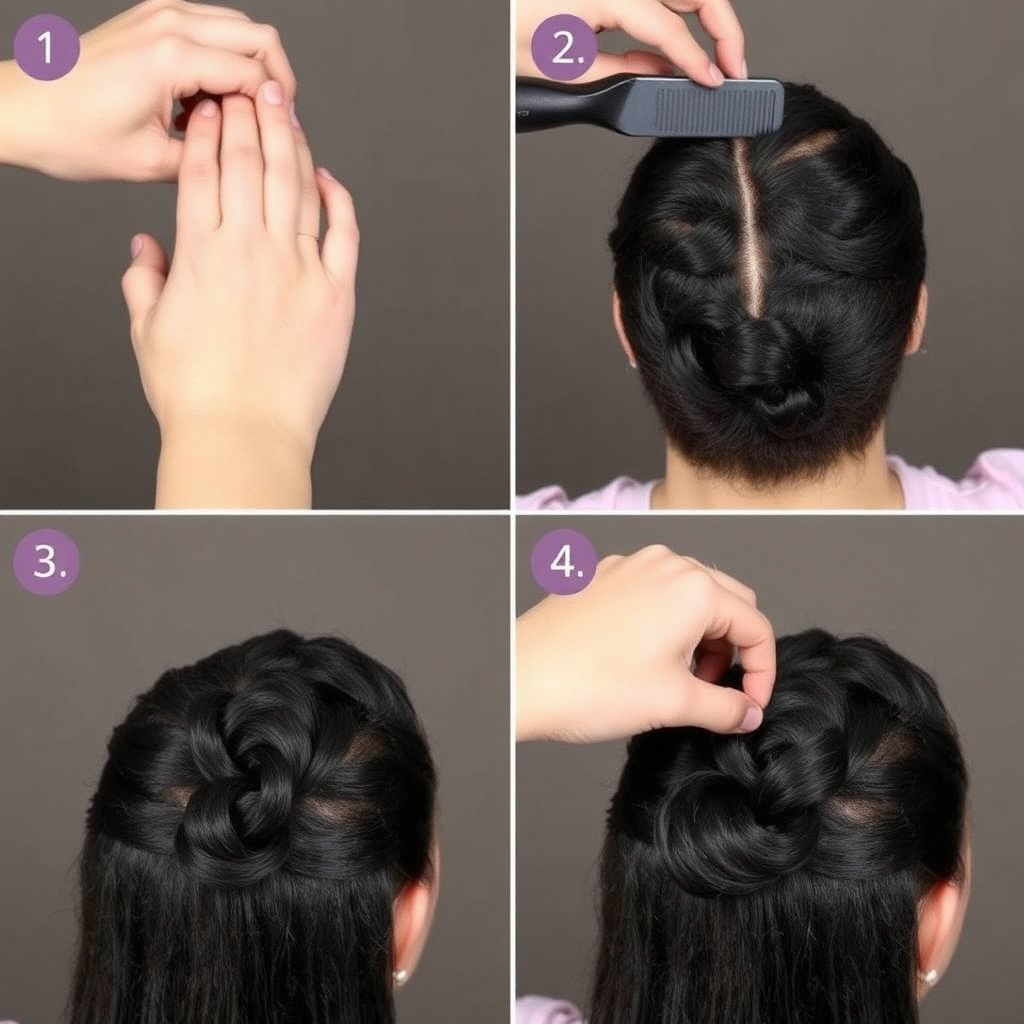
Start by taking a small section of hair and using your rat-tail comb to ensure clean parting. Then, take the metal coil comb and place it at the root of the section. Twist the comb in a tight circular motion, coiling the hair around the teeth until the full length is coiled.
Secure the coil and move on to the next section. Repeat across the entire head. Make sure to keep the coils consistent in size and tightness. Let the coils dry completely for better hold, and avoid disturbing them as they begin locking.
- Part hair neatly with rat-tail comb
- Twist hair tightly with coil comb
- Repeat on all sections evenly
- Allow coils to dry fully
Maintaining Comb Coil Locs During the Locking Phase
Daily and Weekly Hair Care
Moisturize your comb coil locs with a light water-based spray or natural oils to prevent dryness without causing buildup. Avoid over-manipulating the coils to let them set into locs gradually.
Washing your locs carefully once a week with residue-free shampoo will keep the scalp clean and support healthy locking. Separate new growth gently to prevent conjoining of locs during the early phase.
- Use water-based moisturizers
- Wash weekly with residue-free shampoo
- Avoid frequent manipulation
- Gently separate new growth
For more on this, see our related guide: Your Guide to Freetress Crochet Hair: Choosing With Confidence.
Retwisting and Coil Maintenance
Retwist your comb coils every 4-6 weeks to maintain their shape and encourage proper locking. Use the same coil comb and light holding product for retwisting to keep locs neat without excessive tension.
Do not over-retwist or use heavy products, which can cause buildup and slow locking. Maintain a loose grip while retwisting to avoid scalp soreness.
- Retwist every 4-6 weeks
- Use coil comb and light products
- Avoid heavy buildup
- Retwist gently to protect scalp
Sizing and Styling Your Comb Coil Locs
Choosing Loc Size and Thickness
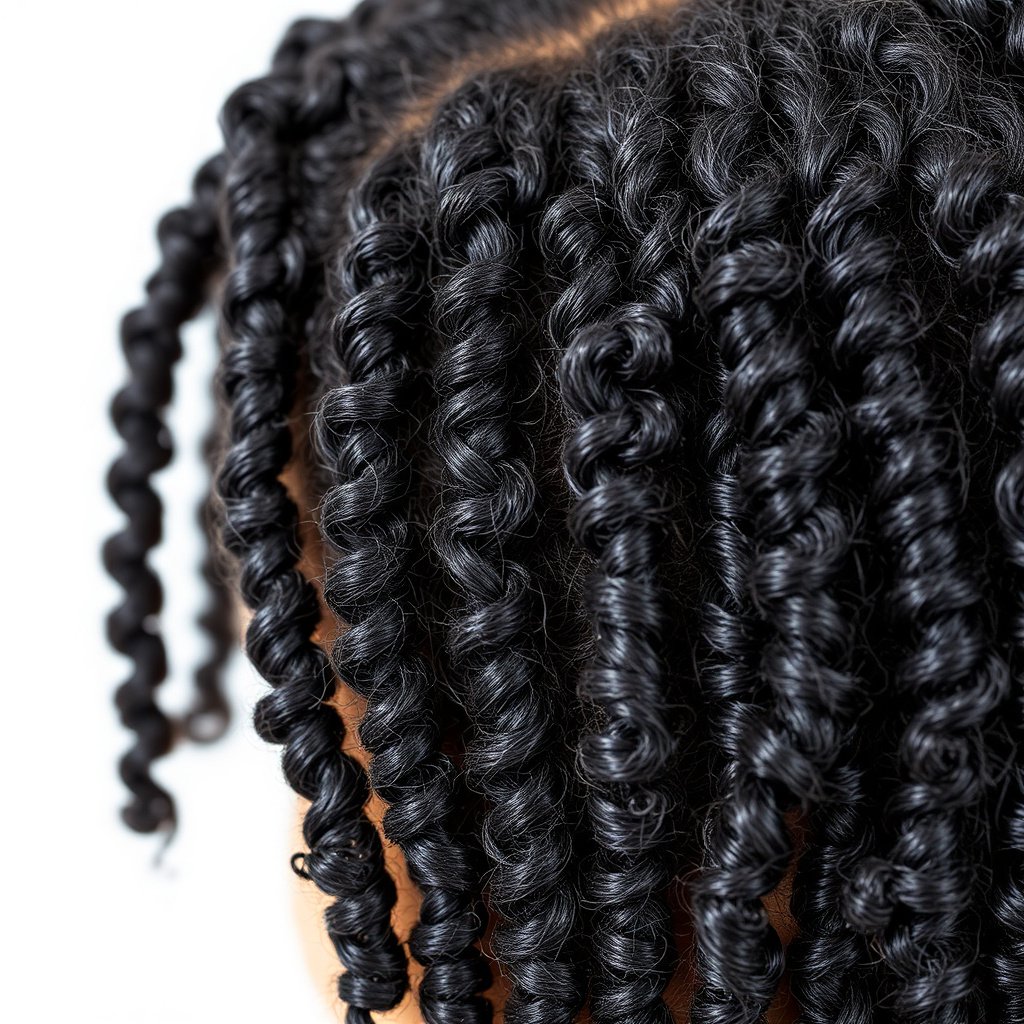
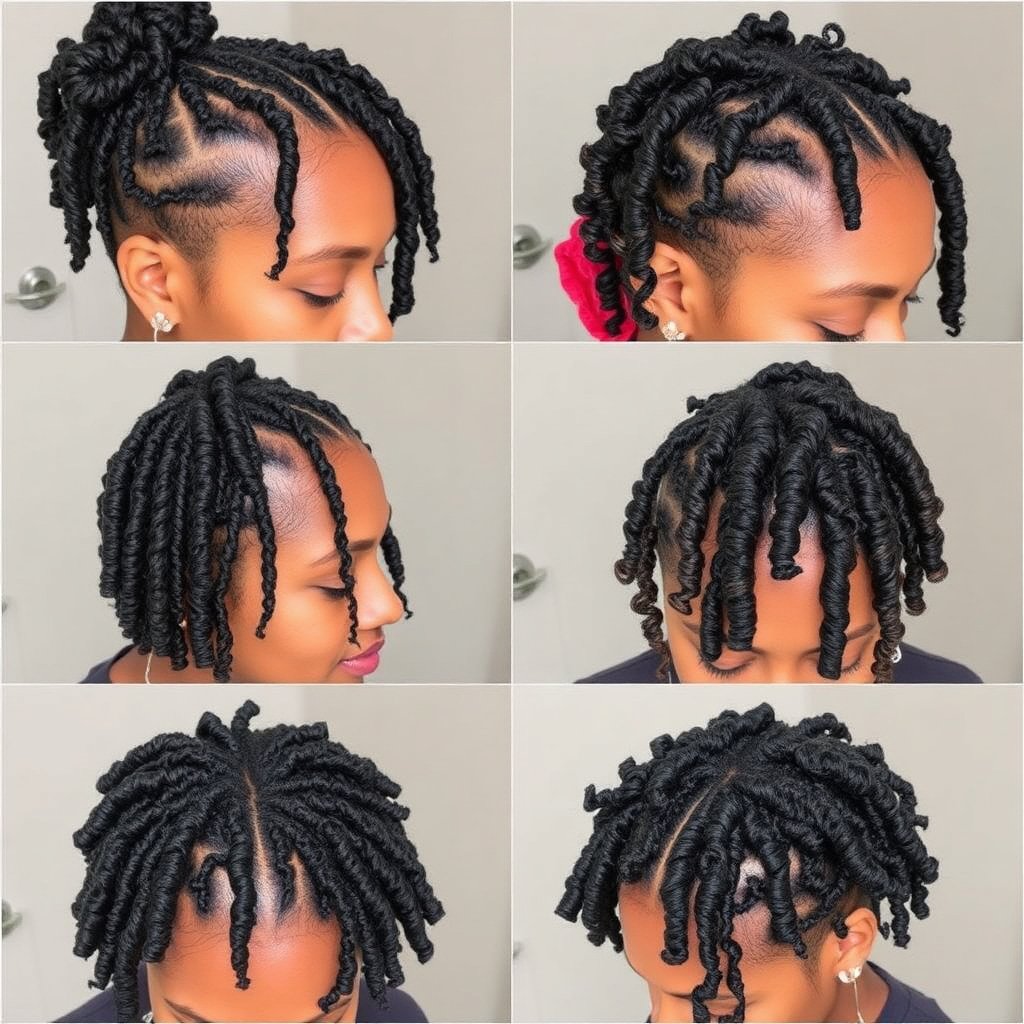
The size of your comb coil locs depends on the sections you make before coiling. Thin coils offer versatility and smaller locs that mature faster but require more maintenance. Thick coils result in chunky locs with a bold style but coil slowly.
Select a size that matches your lifestyle and styling preferences. Consistency is key for a uniform look.
- Smaller sections create thin coils
- Larger sections create thick locs
- Balance maintenance with desired style
Styling Options with Comb Coil Locs
Comb coil locs can be styled in various ways once mature; popular styles include half-up, bun, ponytail, or freeing them completely. Their neat, uniform shape makes braiding or accessorizing easier than other loc methods.
Experiment with beads, wraps, or color to customize your look while maintaining healthy hair.
- Half-up styles and buns
- Braiding or twisting with coils
- Use beads and wraps for individuality
Comparing Comb Coil Locs with Other Loc Starting Methods
Comb Coils vs. Two-Strand Twists
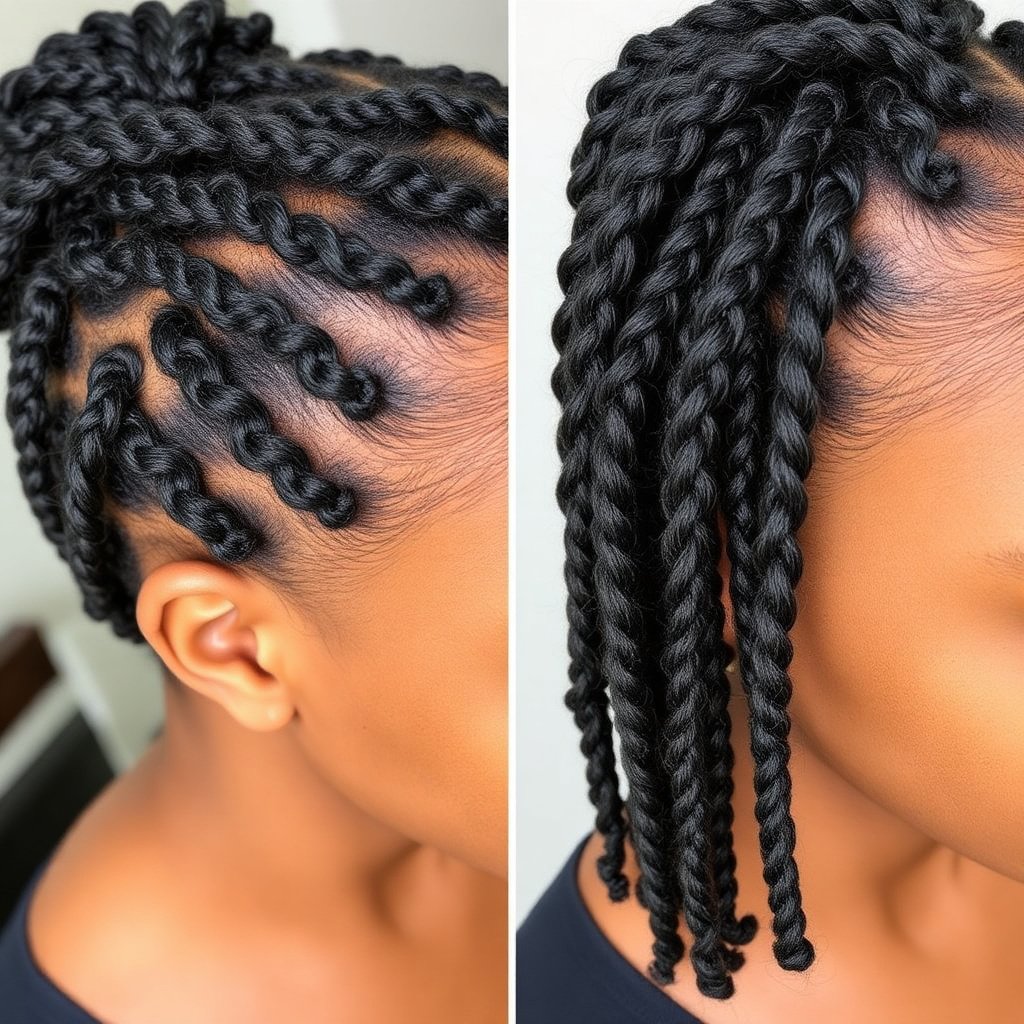
Comb coils create smaller, spiraled sections that lock tightly and uniformly, whereas two-strand twists use a twisting method that produces larger, rope-like locs that take longer to mature.
Comb coils tend to look neater from the start but require initial precision. Two-strand twists allow for more volume and flexibility but might need more product and frequent maintenance.
For more on this, see our related guide: Your Guide to 30 Braiding Hair: Choosing With Confidence.
Comb Coils vs. Freeform Locs
Freeform locs grow naturally with little intervention, resulting in varied sizes and shapes. Comb coil locs are carefully sectioned and manipulated for uniformity and a polished appearance.
If you prefer a controlled look and predictability, comb coil locs are suitable. Freeform caters to those who want a more organic, natural locking process.
Common Challenges and Solutions with Comb Coil Locs
Dealing with Scalp Sensitivity
New comb coil locs can sometimes lead to scalp tenderness due to tight twisting. Apply gentle pressure and avoid excessive tension during coiling and retwisting to prevent discomfort.
Use soothing scalp oils like jojoba or tea tree to calm irritation and promote healthy follicles.
- Avoid excessive tightness
- Use soothing scalp oils
- Massage scalp gently
For a broader understanding of dreadlocks history and care, this Wikipedia article offers detailed insights. dreadlocks history and care.
Preventing Product Buildup and Breakage
Heavy products can clog locs, slowing the locking process and causing buildup. Choose lightweight gels and moisturizers tailored for locs and shampoo regularly with residue-free formulas.
Avoid excessive pulling or rough handling, which leads to breakage around new coils. Handle locs gently and maintain hydration.
- Use lightweight products
- Wash with residue-free shampoo
- Handle locs gently
Loc Starting Methods Comparison
Here’s a quick comparison of popular loc starting techniques, highlighting key differences in method, maintenance, and appearance.
| Method | Start Time | Maintenance Level | Appearance | Suitability |
|---|---|---|---|---|
| Comb Coils | Immediate neat coils | Medium | Uniform, neat spirals | Best for controlled, consistent locs |
| Two-Strand Twists | 1-2 weeks | High | Chunkier, rope-like locs | Good for versatile, voluminous styles |
| Freeform Locs | Varies | Low | Random, natural sizes | Prefer natural, low-maintenance |
| Interlocking | Immediate tight roots | Medium | Tidy, sculpted locs | Ideal for thick hair needing secure roots |
Frequently Asked Questions
How long does it take for comb coil locs to fully lock?
Comb coil locs usually take between 6 to 12 months to fully mature, depending on hair texture, maintenance routine, and coil size.
Can comb coil locs be started on all hair types?
Comb coil locs work best on curly, coily, and kinky hair textures as these naturally hold coils better than straighter hair types.
Is it necessary to use gel or cream for comb coil locs?
While not mandatory, a light holding gel or twist cream helps maintain coil shape and reduces frizz, aiding faster locking.
How often should I wash comb coil locs?
Washing once a week with a residue-free shampoo is ideal to keep scalp clean without disrupting early coil formation.
What is the best way to avoid uncomfortable tightness when starting comb coil locs?
Use gentle tension when coiling and retwisting, avoid over-tightening, and apply soothing scalp oils if discomfort occurs.
Key Takeaways
- Comb coils provide neat, consistent locs with strong early structure.
- Proper preparation and moisture balance are essential for successful locking.
- Retwisting every 4-6 weeks keeps coil locs tidy without causing buildup.
- Choosing section size impacts loc thickness, maintenance, and style options.
Conclusion
Starting locs with comb coils involves careful sectioning, the right tools, and a gentle yet firm twisting technique that creates uniform spiraled locs. This method offers a reliable way to initiate the loc journey, especially for those who want control over their hair’s early appearance and structure. Paying attention to hygiene, moisture balance, and coil maintenance ensures your locs develop healthily and beautifully over time.
Among loc starting options, comb coils stand out for their neatness and relatively quick start appearance. If you prefer well-defined, smaller locs, this method fits well, especially paired with light holding products and regular retwisting routines. For those seeking larger, chunkier locs or more organic looks, alternatives like two-strand twists or freeform locs might serve better. Ultimately, your choice should reflect your lifestyle, hair texture, and personal style goals.
If you’re ready to begin, gather suitable tools like a metal coil comb and residue-free shampoos, and commit to consistent coil care. Experiment with loc sizes to find your ideal thickness and don’t hesitate to consult with professional locticians if you want personalized advice. Starting your locs with comb coils can be a rewarding process that leads to healthy, lasting, and stylish locs.