How to Do Crochet Faux Locs: A Step-by-Step Guide for Beginners
Doing crochet faux locs involves sectioning your natural hair, installing a crochet needle, and looping synthetic loc hair to create realistic, natural-looking dreadlocks without committing to permanent locs. This protective style is popular because it’s low maintenance and offers versatility in length and thickness.
Crochet faux locs provide an affordable and gentle alternative to traditional loc installation methods, reducing damage and allowing for quick styling changes. The technique uses a latch hook or crochet needle to attach synthetic loc hair to your braided or twisted natural hair, giving you instant locs that can last several weeks with care.
In this article, we’ll cover essential tools you’ll need, preparation steps, detailed installation methods, and tips for maintaining your crochet faux locs. Whether you want a bohemian look or neat locs, you will learn how to master crochet faux locs with clear guidance and expert tips to help you get salon-worthy results at home.
Essential Tools and Materials for Crochet Faux Locs
Choosing the Right Hair for Crochet Faux Locs
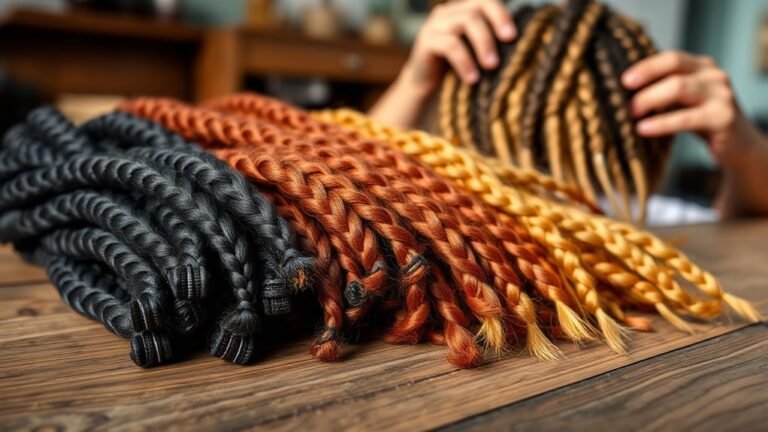
Selecting the best hair for crochet faux locs is key to achieving a natural look. Most people opt for pre-formed synthetic loc hair designed for crochet installation; popular types include Marley hair or pre-looped locs made from kanekalon which mimic real dreadlocks’ texture.
Consider thickness, length, and color to match your preference. Marley hair provides a coarser texture that blends well with afro-textured hair, while smoother kanekalon looks shinier and more polished. Remember to pick hair that complements your natural hair’s texture to ensure the locs look seamless.
- Marley hair: coarser, natural feel
- Kanekalon pre-looped locs: smooth, polished finish
- Variety of lengths: 12-24 inches common
- Color options: natural black, brown, or shades of blonde
Tools Needed for Installation
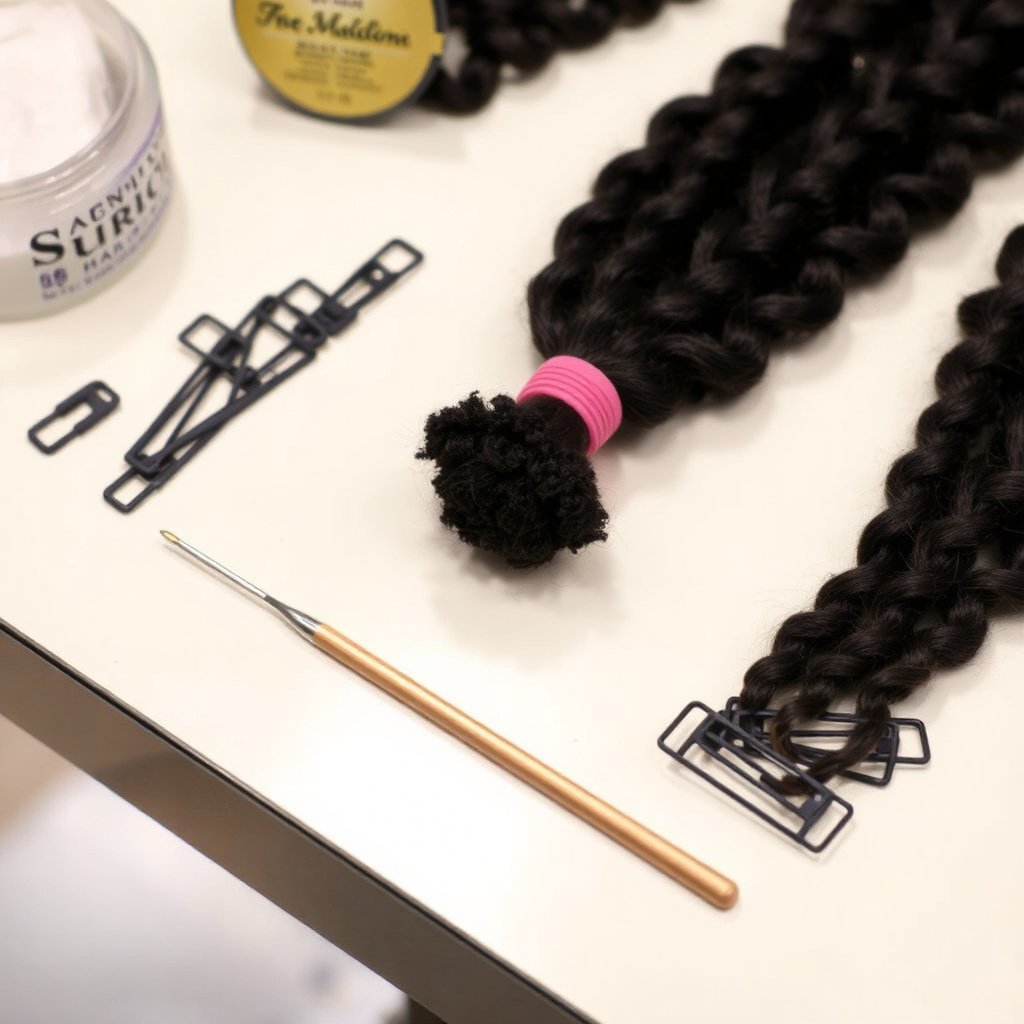
Besides hair bundles, you will need a specialized crochet or latch hook needle designed to pull hair through braids or twists. Additionally, hair clips or elastics help section your hair neatly, and styling gel or edge control maintains a smooth base.
Having these tools on hand streamlines the process and prevents damage to your scalp or hair. A rat-tail comb is also useful for parting precise sections, and applying moisturizing products before installation protects your hair underneath.
- Crochet needle or latch hook
- Hair clips or elastics
- Styling gel or edge control
- Rat-tail comb for parting
- Moisturizer or leave-in conditioner
Preparing Your Hair for Crochet Faux Locs
Cleansing and Moisturizing Before Installation
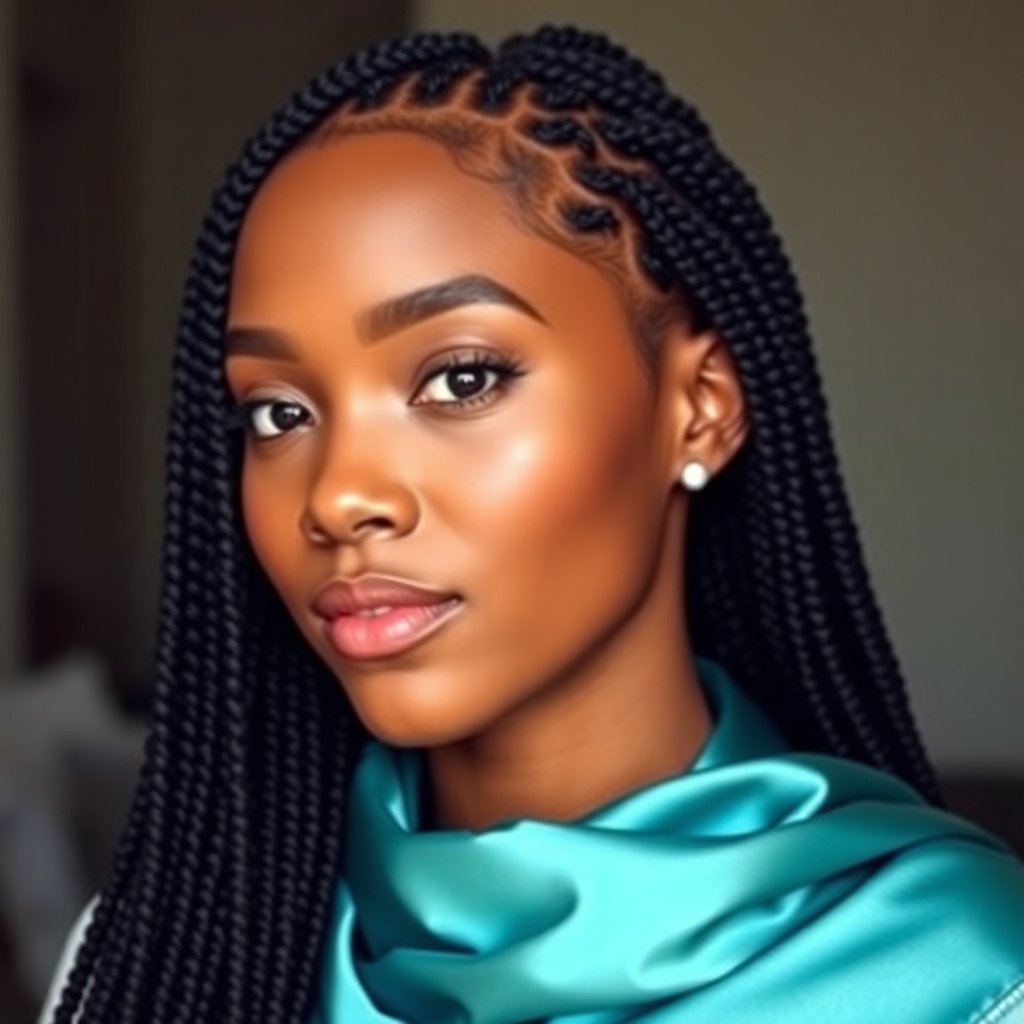
Proper preparation starts with clean, well-moisturized hair. Wash your hair thoroughly with a gentle shampoo to remove buildup, then apply a deep conditioner to soften your strands and prevent breakage during installation.
Follow with a leave-in conditioner or hair oil to lock in moisture. Dry and detangle your hair carefully before sectioning. Healthy natural hair ensures the crochet faux locs will last longer and reduce scalp irritation.
For more on this, see our related guide: Your Guide to Butterfly Locs Crochet Hair: Choosing With Confidence.
Braiding or Twisting to Create a Secure Base
Your natural hair needs to be braided or twisted tightly into cornrows, individual 2-strand twists, or flat twists depending on your comfort. This base holds the crochet loc hair securely and forms the foundation for a natural look.
Braids or twists should be neat and consistent in size to ensure even installation. Smaller parts give a fuller look with more locs, while larger parts create chunkier locs. Use strong elastics or gel to keep the ends secure.
Step-by-Step Crochet Faux Locs Installation
Inserting the Crochet Needle
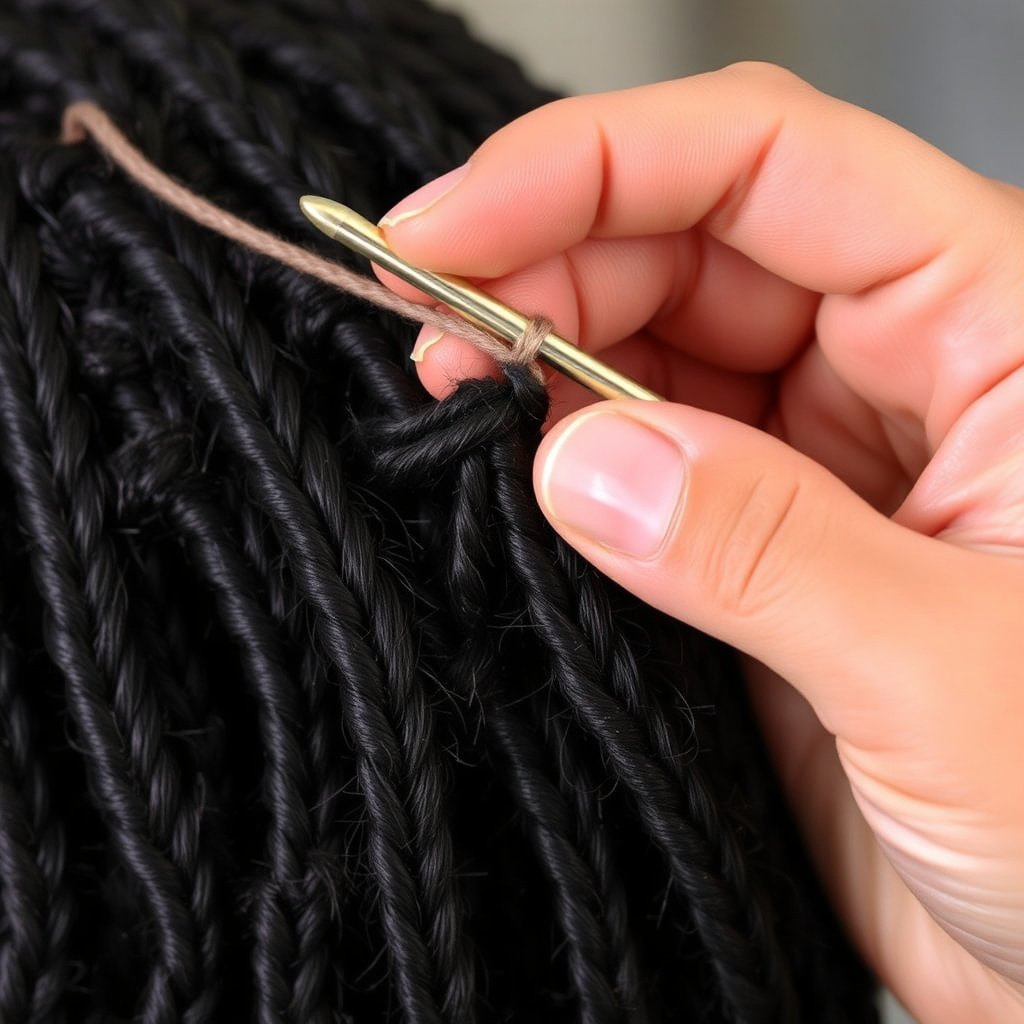
Slide the crochet needle under a single braid or twist near the scalp without pulling your natural hair. The needle’s latch should be open while inserting and then close automatically to trap the synthetic hair when pulled through.
Pull the needle out carefully with the attached synthetic loc hair folded in half, creating a secure loop for attaching the faux loc. This step requires patience and precision to avoid scalp discomfort or loose loops.
Attaching and Wrapping the Loc Hair
After looping the synthetic hair through your braid, pull the ends through the folded loop and tighten firmly to lock the loc in place. Adjust tension to prevent slippage but avoid pulling too tight to protect your scalp.
For added natural appearance, you can wrap the roots or some sections with thread, yarn, or additional hair to mimic texture variations. Seal the ends with hot water or twist lightly depending on hair type.
- Pull ends through loop and tighten
- Wrap roots for realism
- Seal ends with hot water or twisting
Styling and Maintaining Your Crochet Faux Locs
Styling Tips for Versatile Looks
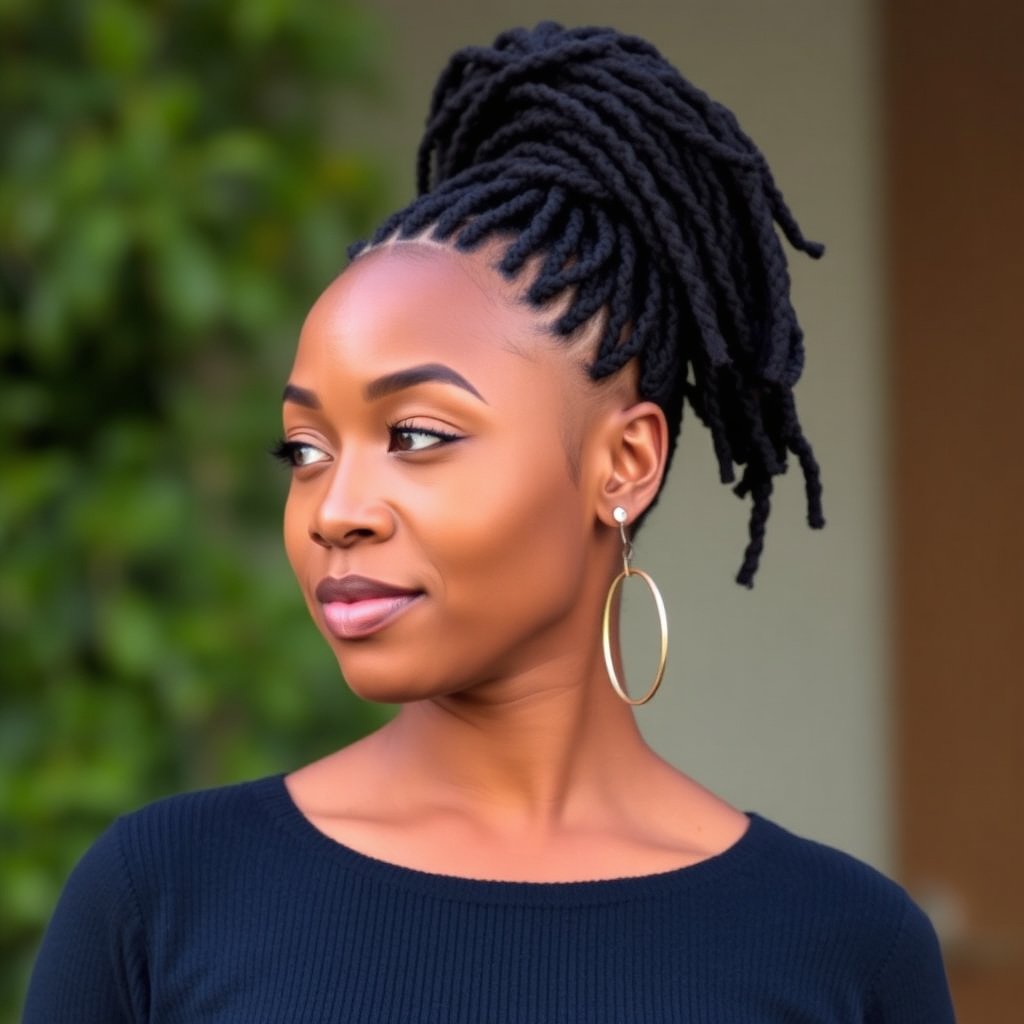
Crochet faux locs can be styled in various ways including high buns, ponytails, half-up styles, or left loose. Using edge control gel and a satin scarf helps keep flyaways smooth and maintain neat edges.
Be gentle with manipulation to avoid loosening the crochet loops. Accessories like beads or cuffs can be added for a personalized look without causing damage.
- Use edge control for neat edges
- Style in buns, ponytails, or loose
- Add beads or hair cuffs for flair
- Avoid over-manipulating to preserve longevity
For more on this, see our related guide: Your Guide to Freetress Crochet Hair: Choosing With Confidence.
Cleaning and Scalp Care
Keep your scalp clean by using diluted shampoo sprayed onto your scalp and rinsed carefully, avoiding heavy soaking of the locs themselves. Dry thoroughly to prevent mildew or odor.
Apply lightweight oils like jojoba or tea tree oil to soothe your scalp and maintain moisture. Regularly checking the locs for unraveling and re-tightening any loose ones helps maintain a polished look.
Common Challenges and Troubleshooting Crochet Faux Locs
Preventing and Fixing Loose Locs
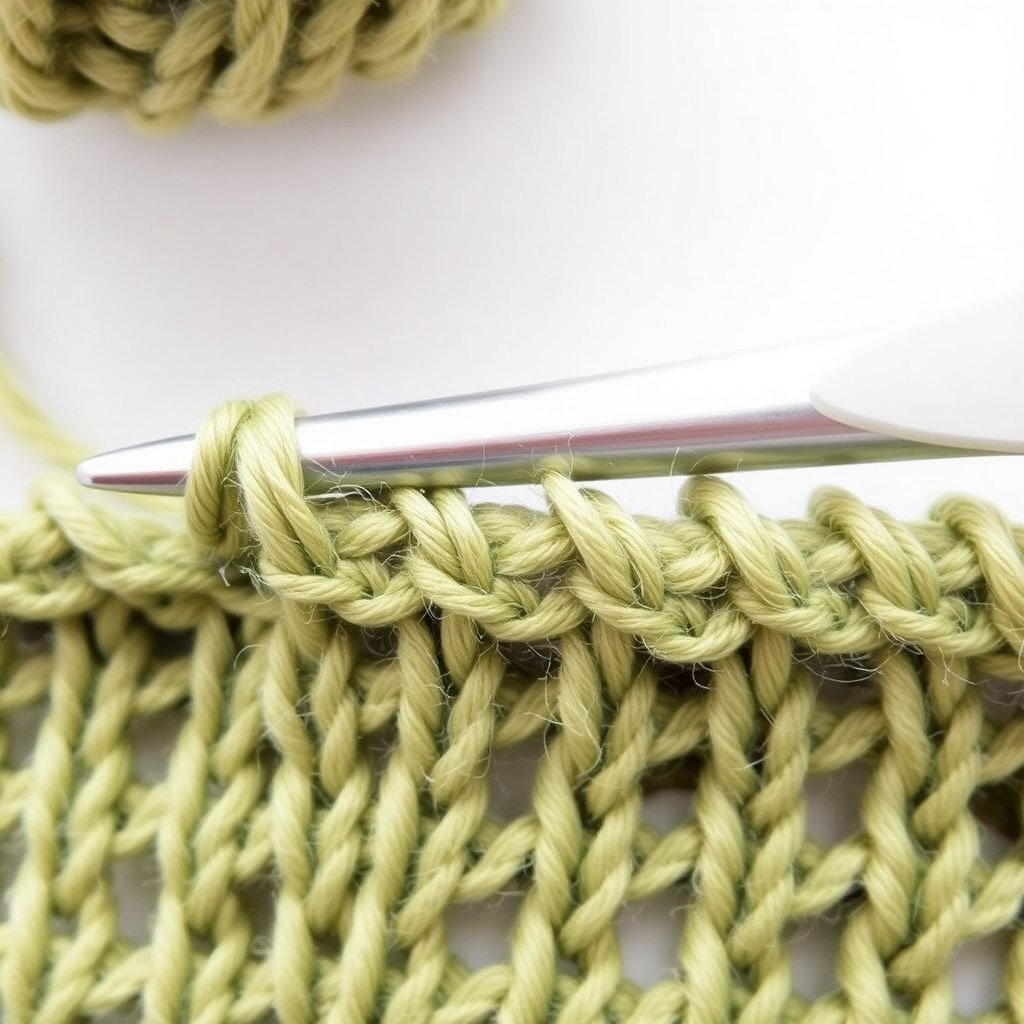
Loose or slipping locs happen if the initial loop is too loose or the synthetic hair is not secured properly. Retighten by gently pulling and knotting the synthetic hair again or re-crocheting the loc around the base braid.
Using quality hair and ensuring the crochet needle’s latch mechanism works well reduces slipping. Avoid heavy products that may weaken the hold or add excessive weight to the locs.
For additional technical insight into the crochet method used in hair styling, refer to the Crochet method on Wikipedia. Crochet method on Wikipedia.
Handling Scalp Irritation
Tight installations can cause scalp discomfort or itchiness. To relieve this, avoid pulling too tightly, give your scalp breaks, and use anti-itch scalp sprays or natural remedies like aloe vera.
If irritation persists, remove a few locs and check for allergic reactions to synthetic hair. Maintaining scalp hygiene also prevents buildup that can irritate skin.
Comparison of Hair Types for Crochet Faux Locs
Here’s a concise table comparing different hair types commonly used for crochet faux locs to help you decide the best option for your style and care preferences.
| Hair Type | Texture | Durability | Appearance | Price Range |
|---|---|---|---|---|
| Marley Hair | Coarse and natural | High | Matte, authentic loc look | $6–$10 per bundle |
| Kanekalon Pre-Looped Locs | Smooth and synthetic | Medium | Shiny, polished finish | $12–$20 per pack |
| Faux Locs Yarn | Soft and pliable | Low | Matte with fiber appearance | $4–$8 per skein |
| Human Hair Extensions | Varied, natural | Very High | Realistic with shine | $30–$50 per bundle |
Frequently Asked Questions
How long do crochet faux locs typically last?
Crochet faux locs generally last between 4 to 8 weeks depending on maintenance, hair type, and how well the installation was done.
Can I wash my hair with crochet faux locs installed?
Yes, but avoid soaking the loc hair completely. Spray shampoo on the scalp, rinse gently, and dry thoroughly to prevent mildew and odor.
Is it safe to install crochet faux locs on relaxed hair?
Yes, but relaxed hair is more fragile, so ensure your hair is moisturized and avoid very tight installation to prevent breakage.
Do crochet faux locs damage natural hair?
When installed properly and with gentle tension, crochet faux locs protect natural hair rather than damage it, functioning as a protective style.
How can I make crochet faux locs look more natural?
Choose a hair type that closely matches your natural texture and color, and consider wrapping the loc roots or adding thread for a realistic variation.
Key Takeaways
- Crochet faux locs use synthetic hair looped onto braided natural hair for protective styling.
- Selecting the right hair type impacts the look and durability of your locs.
- Proper hair preparation and neat braiding improve the final installation quality.
- Regular maintenance prevents slippage and scalp irritation.
Conclusion
When approaching crochet faux locs, focus first on preparing your natural hair well to maintain health and reduce breakage. The decision-making process includes choosing hair type that suits your texture, desired look, and budget. Taking care with braiding and using reliable tools ensures your installation looks natural and lasts longer. Paying attention to tension during loop installation can minimize scalp discomfort and keep locs secure.
For those seeking a coarse, natural texture, Marley hair offers authenticity and durability, fitting well for everyday wear, while kanekalon pre-looped locs provide a shinier and more polished appearance for a sleeker style. If affordability and softness matter, yarn locs are an option but require more frequent upkeep. For premium results, human hair extensions give the most realistic clock with higher cost and care. Understanding these distinctions can guide you in matching your lifestyle with a suitable faux loc category.
Start your crochet faux loc journey by gathering quality hair and crochet tools, followed by neatly braiding your hair for a strong foundation. Experiment with your chosen style carefully and practice small sections before a full head installation. With patience and the right technique, you’ll achieve impressive faux locs that boost confidence and protect your natural hair.