How to Stop Braids from Itching: Simple Tips for a Comfortable Hairstyle
If you've recently gotten braids and find yourself constantly itching, the best way to stop braids from itching is to treat your scalp gently and keep it moisturized without overloading the hair. Cleanliness, hydration, and the right aftercare products can relieve itching quickly and prevent flare-ups before they start.
Itching during braid wear is common and often caused by scalp dryness, product buildup, or new hair tension. Ignoring it can lead to discomfort or even damage if you scratch too much, so addressing it early is important for maintaining healthy hair and scalp under your braids.
This article will explore practical strategies on how to stop braids from itching, including scalp care routines, product recommendations, protective tips, and when to seek professional advice. These insights will help you enjoy your braided look without irritation.
Understanding Why Braids Cause Itching
Scalp Dryness and Its Role in Itchiness
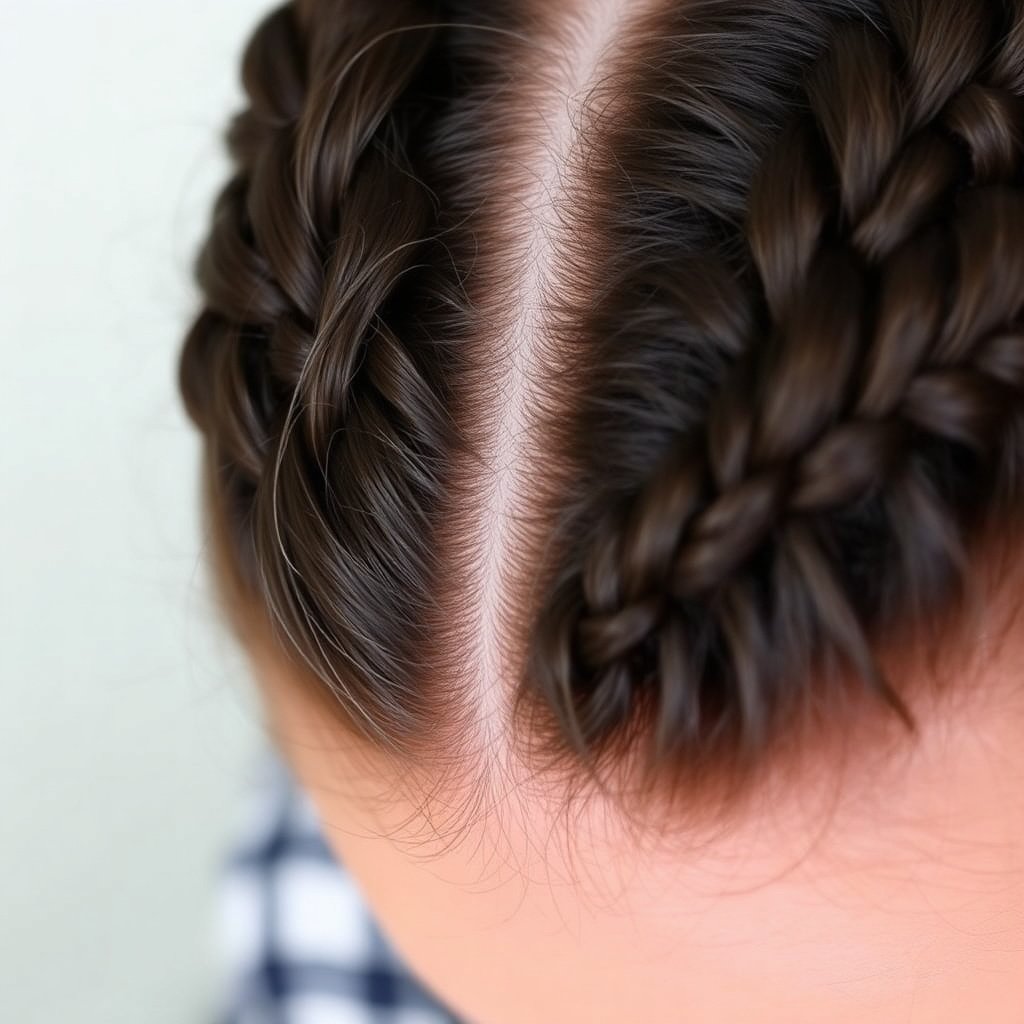
Scalp dryness is a leading cause of itching when wearing braids. Braids can prevent natural oils from circulating evenly, leaving the scalp dry and tight. This dryness disrupts the skin’s barrier, making it sensitive and prone to irritation under the braids.
To counter dryness, using gentle moisturizing products specifically formulated for braided hair can restore balance and calm the scalp. Avoiding harsh shampoos and excessive washing helps maintain natural moisture levels, which reduces itchiness over time.
Impact of Tension and New Braids
The tension from freshly installed braids can strain hair follicles and skin, triggering itching and discomfort. This is especially true if the braids are too tight or if synthetic extensions put extra pull on the scalp.
Allowing your scalp to adjust gradually, and requesting moderate tension when getting braids installed, minimizes the chance of painful itching. If tension-related itch persists, professional consultation is advisable to prevent long-term scalp damage.
- Avoid tight braids to reduce follicle stress
- Take breaks between braid installations
- Communicate with your stylist about braid tightness
Effective Scalp Care Techniques to Reduce Itching

Daily Moisturizing Routines for Braided Hair
Consistent moisturizing is key to alleviating scalp itch with braids. Light oils like jojoba or tea tree can soothe irritation and hydrate skin without weighing down the hair or leaving residues that attract dirt.
Using a spray moisturizer or water-based leave-in conditioner between washes keeps the scalp refreshed. Regularly applying these products ensures comfort while wearing braids for extended periods.
- Apply moisturizing sprays 2-3 times per week
- Use essential oil blends cautiously and test for allergies
Cleaning Practices to Prevent Product Buildup
Product buildup from styling gels, oils, or shampoos can clog follicles and worsen itching under braids. A careful but thorough cleansing routine helps maintain scalp cleanliness without unraveling the braid style.
Dry shampoos or diluted shampoo rinses can be used sparingly to cleanse the scalp. Always rinse well to avoid residue, and avoid overwashing to keep the scalp’s natural oils intact and balanced.
- Use gentle, sulfate-free shampoos
- Avoid heavy creams and sticky products
Choosing the Right Products for Your Braids

Recommended Oils and Sprays for Scalp Relief
Certain light oils such as peppermint, coconut, and tea tree have antimicrobial properties that soothe the scalp and reduce itchiness. These are excellent choices to use as part of your daily braid maintenance.
Additionally, aloe vera sprays and botanical mists hydrate the scalp and promote circulation, which can help relieve irritation. Opt for pure, natural ingredients without heavy chemicals.
- Peppermint oil for cooling sensation
- Tea tree oil for antibacterial effects
- Aloe vera sprays for hydration
For more on this, see our related guide: How to Do Box Braids: A Step-by-Step Guide for Beginners.
Avoiding Harsh Chemicals and Hefty Products
Heavy creams or alcohol-based products tend to clog pores and dry out the scalp further, making itching worse. Avoid styling gels high in alcohol or silicones that accumulate easily on braided hair.
Selecting lightweight, non-comedogenic formulations helps keep your scalp healthy and comfortable throughout the life of your braids.
- Skip products with strong alcohol content
- Choose water-based styling options
Lifestyle Habits for Maintaining Comfortable Braids

Nighttime Care and Protecting Your Scalp
Using silk or satin scarves or pillowcases while sleeping reduces friction on your braids and scalp, which can otherwise lead to irritation and increased itching. This gentle protection keeps braids intact and prevents scalp dryness overnight.
Avoid tight headgear that applies pressure or traps heat. Maintaining good air circulation promotes scalp health and lowers the chance of itch-triggering sweat accumulation.
- Wear a silk scarf or bonnet to bed
- Choose breathable fabrics for head wraps
Avoiding Excessive Manipulation and Stress
Constant touching, pulling, or scratching your braids can injure the scalp and exacerbate itching. Keeping your hands away and managing any discomfort with proper products helps avoid further irritation.
Stress can also impact scalp health, so managing overall wellbeing through hydration and balanced diet supports a calm, itch-free scalp during braid wear.
When to Seek Professional Help for Itchy Braids

Signs You Need a Dermatologist or Trichologist
Persistent itching accompanied by redness, swelling, or sores could indicate infections or allergic reactions requiring medical attention. If self-care remedies don’t improve symptoms within a week, consult a professional.
A dermatologist or trichologist can diagnose scalp conditions related to your braids and recommend proper treatments or changes in hair care routines.
- Intense, persistent itchiness
- Visible scalp inflammation or bumps
For more on this, see our related guide: Best Braiding Gel: Top Picks and Buying Tips.
Professional Advice on Braid Installation and Care
Hair professionals can adjust braid tightness and recommend styles least likely to cause irritation based on your scalp sensitivity. They also guide on aftercare routines tailored to your hair type.
Their expertise helps balance style with scalp health, ensuring braids look good without sacrificing comfort or hygiene.
- Opt for looser braid styles if scalp is sensitive
- Ask for scalp treatment recommendations during styling
How to Stop Braids from Itching: Summary and Best Practices

Combining Moisturizing, Washing, and Protection
The key to stopping braids from itching lies in balancing scalp moisture and cleanliness while protecting hair from friction. Regular light moisturizing and gentle, infrequent washing keep the scalp comfortable.
Protective accessories during sleep and avoiding heavy product buildup create an environment where the scalp stays calm and healthy throughout the life of your braids.
For more detailed information about braid hairstyles and scalp care, you can visit this informative Wikipedia page. braid hairstyles and scalp care.
Choosing the Right Products and Styles for Prevention
Selecting products designed for braided hairstyles, like lightweight oils and water-based sprays, prevents dryness and itching. Choosing braid styles that avoid excessive tension also reduces scalp stress.
Combining these choices with attentive scalp care creates a foundation for itch-free, long-lasting braids that look great and feel comfortable.
Comparison of Braid Care Methods for Itchy Scalps
This table compares popular braid care approaches based on effectiveness, maintenance effort, and scalp comfort.
| Method | Effectiveness on Itch Relief | Maintenance Frequency | Best For |
|---|---|---|---|
| Light Oil Application | High | 2-3 times per week | Dry scalp and mild itching |
| Gentle Cleansing Shampoos | Moderate | Weekly or biweekly | Product buildup and scalp refresh |
| Protective Nightwear | Moderate | Every night | Friction and dryness prevention |
| Professional Scalp Treatments | High | As needed | Persistent or severe irritation |
| Avoidance of Tight Braids | High | N/A | Scalp tension and follicle damage prevention |
Frequently Asked Questions
Can shampooing too often worsen braid itching?
Yes, shampooing braids too frequently can strip natural oils, leading to scalp dryness and increased itching. It’s best to limit washing to once every 1-2 weeks and use gentle, sulfate-free shampoos to protect moisture.
Are synthetic braids more likely to cause itching?
Synthetic braids sometimes cause more itch due to their coarse texture and how they trap heat. However, proper scalp care and choosing high-quality synthetic fibers can reduce irritation.
Is scratching the itchy scalp under braids harmful?
Scratching can cause scalp damage, inflammation, and possible infections. Instead, soothe with moisturizing products and avoid irritation to maintain healthy hair and scalp.
What natural remedies help relieve scalp itching with braids?
Natural remedies like diluted tea tree oil, aloe vera gel, and peppermint oil sprays provide soothing effects and reduce itch without harsh chemicals, supporting scalp comfort.
How long can braids be worn without causing scalp issues?
Most experts recommend wearing braids no longer than 6-8 weeks. Extended wear increases risk of buildup, dryness, and scalp irritation, so regular care and timely removal help prevent itching problems.
Key Takeaways
- Moisturize your scalp consistently with light oils and sprays.
- Cleanse your scalp gently to prevent product buildup but avoid over-washing.
- Protect your braids and scalp with silk or satin accessories at night.
- Choose braid styles and installation practices that minimize scalp tension.
Conclusion
Managing braids without scalp itching involves a thoughtful balance between hydration, cleanliness, and minimal tension. Recognizing the causes of itch, such as dryness or tight braiding, helps you adjust your hair care routine to keep your scalp healthy. Regular use of gentle moisturizing products and careful washing practices maintains scalp comfort throughout braid wear.
When choosing a braid style, opt for looser installations and synthetic fibers that suit your scalp’s sensitivity. Incorporate lightweight oils like tea tree or peppermint and use protective nighttime gear like silk scarves to reduce friction. For more stubborn itching, consulting a hair care professional can provide tailored treatments or styling advice that aligns with your scalp’s needs.
Ultimately, stop braids from itching by combining good scalp care habits with appropriate styling decisions. Focus on nurturing your scalp gently and keeping it clean, hydrated, and protected. Taking these steps will let you enjoy your braids comfortably and confidently, making the style a pleasant and attractive choice.