How to Use a Weave Cap: Step-by-Step Guide for a Secure Fit
Using a weave cap correctly is essential for protecting your natural hair and ensuring your weave stays neat and secure. To use a weave cap, start by braiding your natural hair close to the scalp or twisting it flat, then carefully place the cap over your head, ensuring it covers all your hair and sits snugly without being too tight. This creates a smooth base for attaching the weave and prevents tension or damage to your scalp.
Weave caps help maintain your hair's health by minimizing direct contact between your natural strands and the weave, reducing tangling and breakage. They also provide a foundation that makes the install process smoother and helps the weave last longer without slipping or shifting. Understanding how to put on a weave cap properly can save you from discomfort and styling issues.
This article breaks down every step needed to use a weave cap effectively, from preparing your hair to selecting the right cap material. It also covers tips on securing the cap, care advice, and how to choose the best weave cap for your specific hair type and style.
Preparing Your Hair for a Weave Cap
Braiding and Twisting Techniques
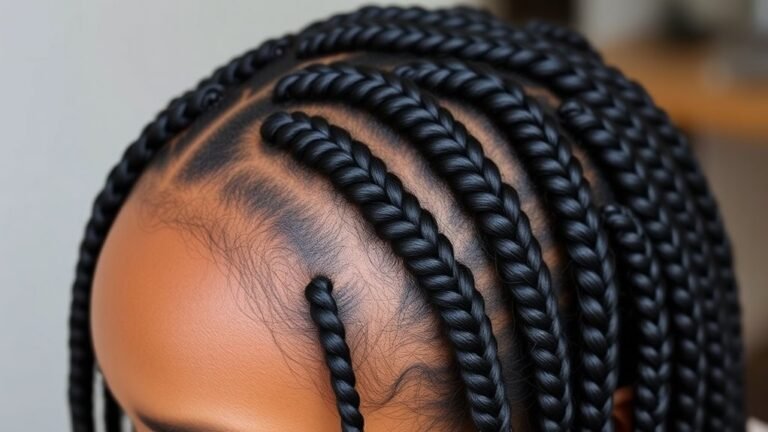
Before putting on a weave cap, your hair should be tightly braided or twisted in rows. Flat cornrows are commonly used because they create a smooth surface and keep the hair compact, reducing bulk and allowing the cap to fit smoothly. Smaller braids give a more secure base, especially for longer or thicker hair.
Twists work well as an alternative if braiding is difficult or you prefer a different texture. The key is that your hair needs to be as flat to the scalp as possible to avoid lumps under the weave cap and weave, preventing discomfort and uneven results.
- Use tight but comfortable braids
- Avoid overly thick sections
- Secure braid ends to prevent unraveling
Cleaning and Moisturizing Hair
Start with clean, dry hair before braiding or twisting. Washing ensures you remove dirt and product, which helps prevent scalp irritation under the cap. After washing, moisturizing your hair without leaving it wet is ideal since damp hair under a weave can lead to mildew or scalp issues.
Use a lightweight leave-in conditioner or oil to keep your scalp healthy and hair flexible. Proper moisture balance before applying the weave cap supports hair strength and comfort throughout wear.
- Wash hair 24 hours before installing
- Use scalp-friendly, non-greasy moisturizers
- Avoid heavy products that build up under the cap
Choosing the Right Weave Cap
Material Types and Benefits
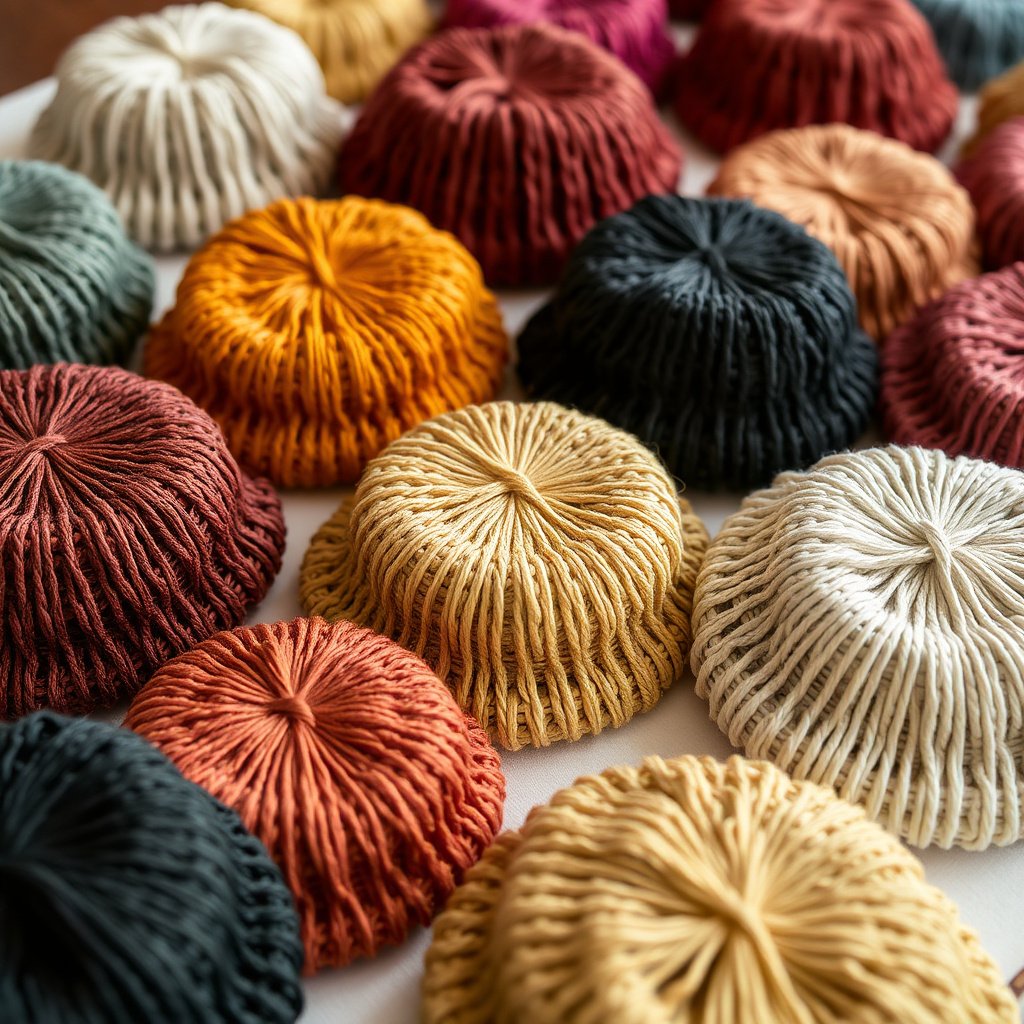
Weave caps come in different materials such as mesh, nylon, spandex, and cotton blends. Mesh caps are breathable and lightweight, reducing sweat buildup. Nylon or spandex caps provide more stretch and grip, which can help keep the cap firmly in place under heavier weaves.
Cotton-blend caps tend to be gentler on the scalp but might lack the stretch that some users prefer. Your choice depends on your scalp sensitivity, climate, and the type of weave installation planned.
- Mesh caps for breathability
- Nylon/spandex for stretch and grip
- Cotton blends for scalp comfort
Sizing and Fit Considerations
A weave cap should fit snugly but not painfully tight. Too tight can cause headaches and scalp irritation, while too loose may let the cap shift during wear. Most brands offer standard sizes, but adjustable caps with drawstrings or elastic bands provide a better fit customization.
Try different sizes and brands to find a cap that accommodates your head shape and hair volume. For thick hair, larger or stretchier caps prevent compression, which can be uncomfortable over time.
- Measure head circumference for accurate size
- Look for adjustable features if available
- Consider hair thickness when choosing fit
Step-by-Step Guide to Wearing a Weave Cap
Placing and Positioning the Cap
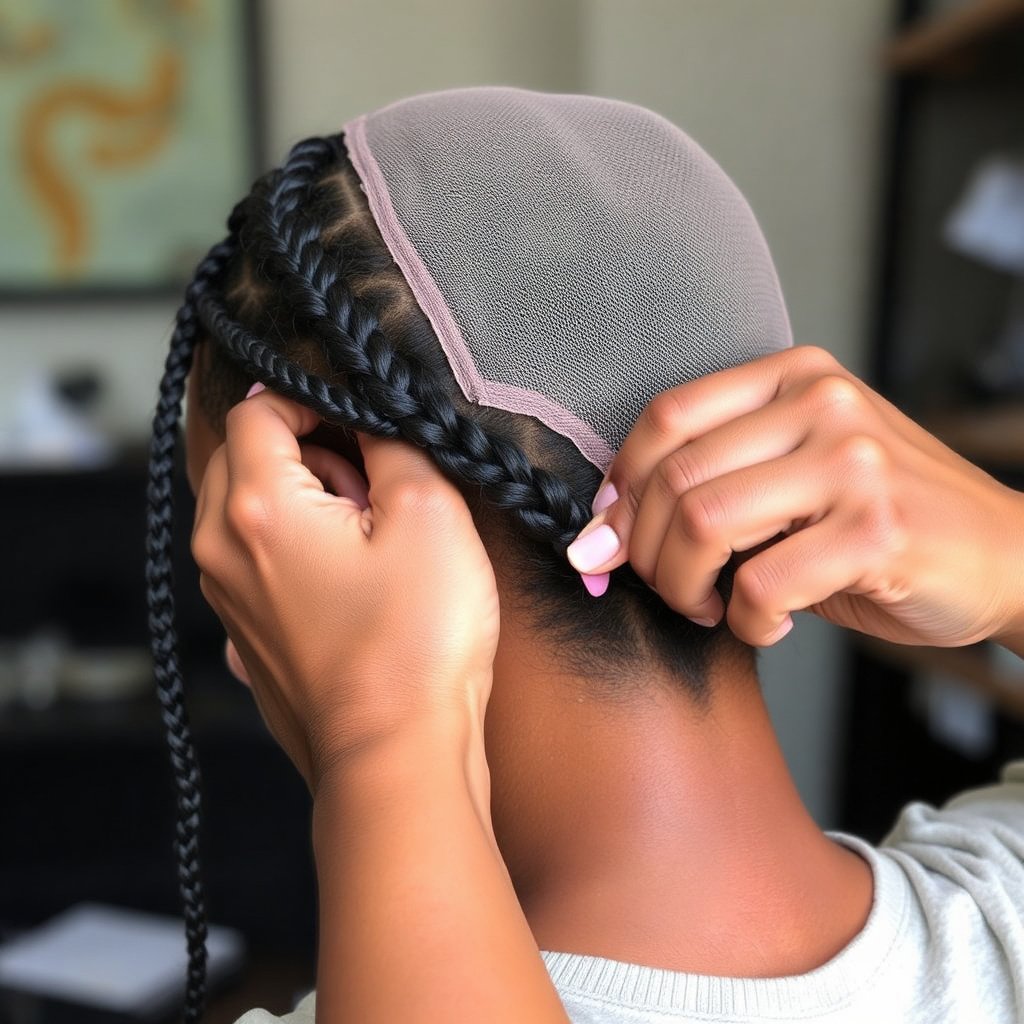
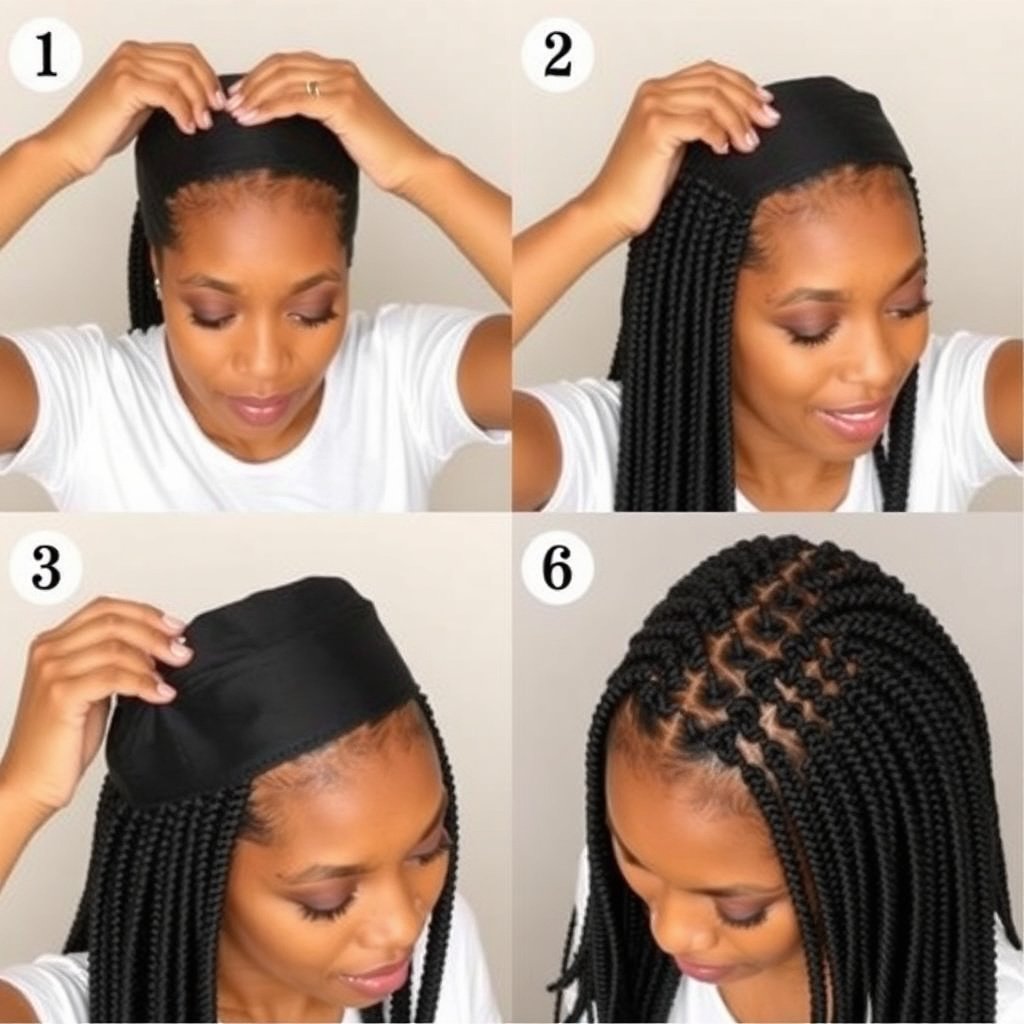
After braiding your hair, hold the weave cap by its edges and stretch it open. Gently place it over your head starting from the front hairline, pulling it back evenly until it covers all your braids or twists. Adjust the edges so the cap sits flat around your hairline and ears for a smooth finish.
Make sure no hair is sticking out through the mesh or elastic areas. If needed, tuck in stray hairs or secure the edges with hairpins to prevent slipping and bulk under your weave.
- Stretch cap fully before placing
- Pull from front to back slowly
- Smooth out bumps and stray hair
- Use pins for extra hold on edges
For more on this, see our related guide: How Long Does a Weave Last? the Complete Answer.
Securing the Cap for Long-Lasting Wear
Once the cap is positioned correctly, some prefer to secure it with hairpins or clips around the perimeter, especially if they will be active or wearing the weave for several days. This helps maintain the cap’s smoothness and prevents shifting.
You can also apply a light edge control gel around the hairline before putting the cap on to avoid slipping. Avoid over-tightening clips or pins, which can irritate the scalp.
- Pin cap edges gently if needed
- Use edge control for grip
- Avoid sharp pins near scalp
Caring for and Maintaining Your Weave Cap
Cleaning and Removing Build-Up
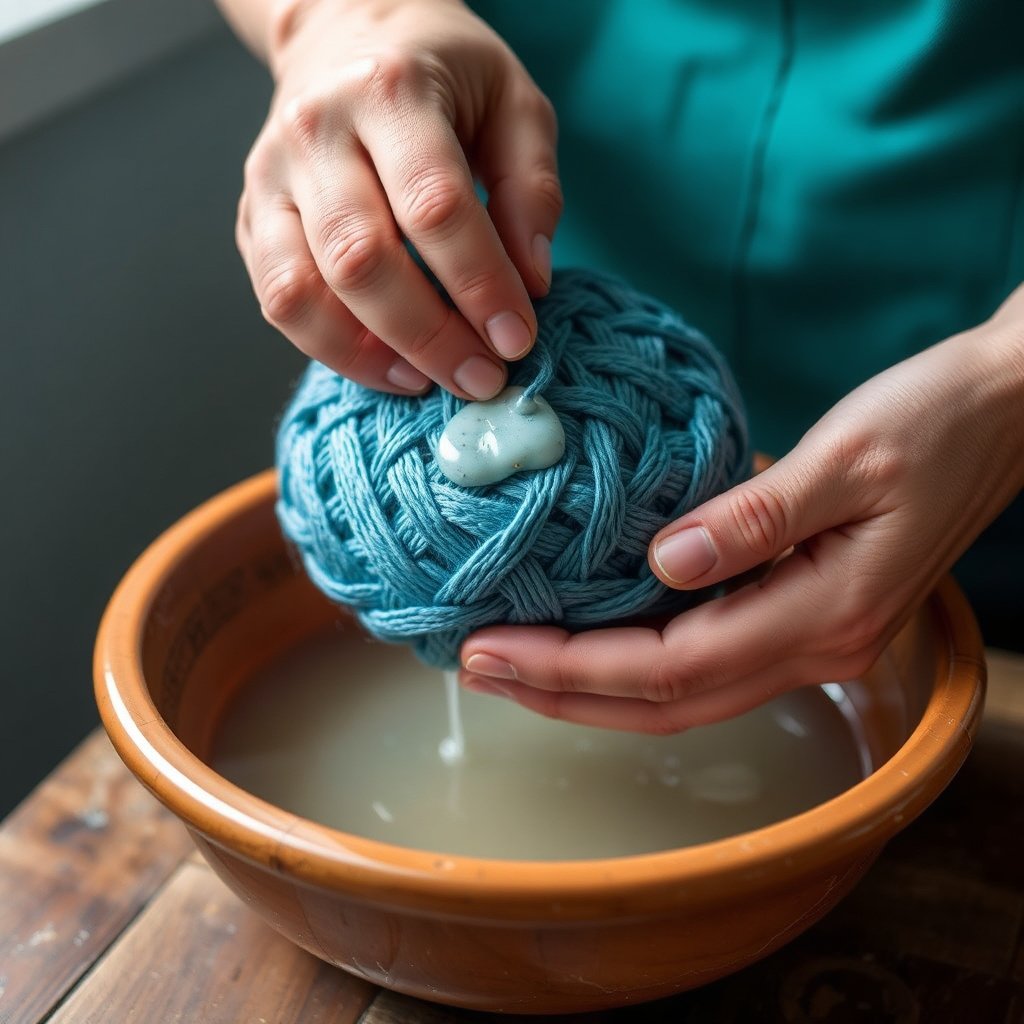
Weave caps collect oils, sweat, and product residue over time. Washing them regularly by hand with mild detergent preserves elasticity and hygiene. Avoid harsh chemicals or machine washing which may damage delicate material.
Dry the cap flat on a towel away from direct sunlight to maintain its shape. Clean caps help prevent scalp infections and odors, keeping your hair environment fresh.
- Hand wash with gentle soap
- Rinse thoroughly and air dry
- Wash after every few wears
Replacing and Inspecting the Cap
Inspect your weave cap for signs of wear like stretched elastic or holes. Replace it as soon as functionality declines to protect your hair adequately. Caps with holes or loose fit undermine the security of your weave and scalp protection.
Storing the cap flat and away from heat sources helps preserve its lifespan. It’s a small investment to keep your install comfortable and safe.
- Check for tears before each use
- Replace every 2-3 months depending on use
- Keep stored in a dry, cool place
Common Mistakes and How to Avoid Them

Avoiding Cap Shifting and Lumps
The weave cap can shift or create bumps if your hair isn’t braided flat or if the cap is too loose. Make sure to braid in neat, close rows and select a proper-sized cap to keep everything smooth.
Check for lumps through the cap before installing the weave and adjust or redo braids if necessary.
- Braid hair flat and tight
- Pick the right cap size
- Smooth out bumps before install
For more on this, see our related guide: Best Weave Hair: Top Picks and Buying Tips.
Preventing Scalp Irritation
Too tight weave caps or those made of irritating material often cause scalp discomfort. Choose breathable, soft fabrics and avoid excessive pinning or edge gel.
Wash your scalp regularly and make sure the cap doesn’t trap moisture underneath.
- Choose soft, breathable materials
- Don’t over-tighten securing pins
- Keep scalp dry and clean
Selecting the Best Weave Cap for Your Hair Type
Weave Caps for Thick and Curly Hair
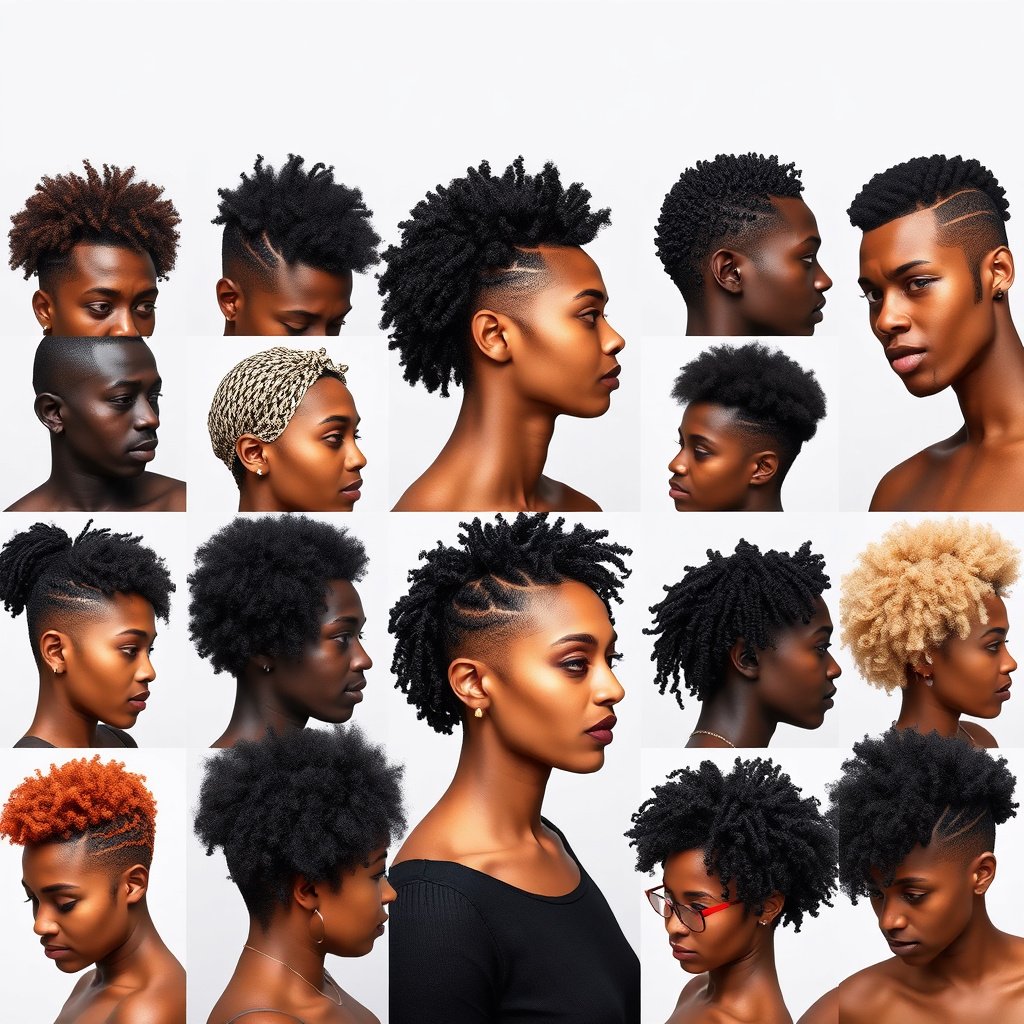
Those with thick or curly hair may prefer stretchier, larger weave caps to accommodate volume without compression. Mesh caps with extra stretch can reduce overheating and help maintain hair shape under the weave.
Opt for caps that don’t pull hair tightly to prevent breakage and allow your natural curls to lay smoothly.
- Look for large size or adjustable caps
- Choose breathable materials
- Avoid overly tight fits to protect curls
For further insight into the history and types of hair weaves, visit the hair weave basics overview on Wikipedia. hair weave basics.
Weave Caps for Fine or Straight Hair
Fine or straight hair benefits from thinner caps that won’t add bulk, helping maintain a natural shape. Lightweight nylon or spandex caps offer a close fit and secure base without flattening hair overly much.
These caps help reduce slippage and keep the weave stable while preventing scalp irritation common with thicker caps.
- Pick smooth, thin materials
- Ensure snug but comfortable fit
- Use caps that reduce slippage
Weave Cap Material Comparison
Here’s a quick look at popular weave cap materials, highlighting their comfort, durability, and best use cases.
| Material | Breathability | Stretch | Comfort | Best For |
|---|---|---|---|---|
| Mesh | High | Medium | High | Warm climates, breathable fit |
| Nylon | Medium | High | Medium | Secure hold, fine hair |
| Spandex | Medium | High | Medium | Stretchy fit, thick hair |
| Cotton Blend | Low | Low | High | Sensitive scalps, short wear |
Frequently Asked Questions
Can I reuse a weave cap multiple times?
Yes, weave caps can be reused several times if cleaned properly and kept in good condition. Replace the cap if it loses elasticity or develops holes.
Do I need a different weave cap for braids versus twists?
The same weave cap often works for both braids and twists, but twists may create more uneven surface, so a larger or stretchier cap can help achieve a smooth base.
How tight should the weave cap be?
The cap should fit snugly enough to stay in place without causing headaches or scalp pain. Avoid overly tight caps to prevent irritation.
Can I wear a weave cap without braiding my hair?
Wearing a weave cap without braiding usually isn’t recommended because loose hair can cause lumps and disrupt the weave installation.
How often should I wash my weave cap?
It’s best to wash your weave cap every few wears or if it feels dirty or sweaty, using gentle soap and air drying.
Key Takeaways
- Start with tight, flat braids or twists for a smooth base.
- Choose weave cap material based on breathability and comfort.
- Fit the weave cap snugly without excessive tightness.
- Regular washing and inspection extend weave cap lifespan.
Conclusion
Successfully using a weave cap revolves around preparation, fit, and care. Establishing a flat, braid-based foundation and selecting a suitable cap material and size are essential to protecting your natural hair and creating an ideal base for weave installation. These steps reduce damage risk and make the styling process smoother and longer-lasting. Consistent maintenance and correct cap positioning will ensure comfort during wear and preserve scalp health.
For those with thick or coarse hair, stretchable mesh or spandex weave caps offer the necessary give and breathability to prevent compression and sweating. Fine-haired users benefit from thin nylon caps that provide a snug, secure base without added bulk. Paying attention to cap sizing and adjusting the fit with pins or edge control gels aids in keeping the cap stable for extended periods. Selecting the right cap and applying it properly directly impact how well your weave holds and how comfortable your scalp feels.
Moving forward, measure your head circumference accurately and test different cap types to find what best suits your hair texture and the style you want. Once you identify the proper weave cap, prioritize thorough but gentle cleaning routines to maintain its durability. Emphasizing these practical steps will help you confidently wear weaves that look great and protect your natural hair underneath.