What Is Raw Hair? A Complete Guide to Understanding Raw Hair Extensions
Raw hair refers to untreated human hair collected directly from a single donor with its cuticles fully intact and aligned in the same direction. Unlike processed hair extensions, raw hair has not undergone chemical treatments like coloring, perming, or relaxing, making it stronger and more durable for styling.
People opt for raw hair because it is the closest to natural hair in quality and texture. Its intact cuticles minimize tangling and matting, providing a smooth, natural look and long-lasting wear. Raw hair can be colored or styled just like your own hair, offering versatility for extensions and weaves.
This article explains what raw hair is, how it compares with other types of hair extensions, the advantages and disadvantages of using raw hair, and tips for buying quality raw hair bundles. You'll also find a category comparison and frequently asked questions to help you make an informed decision.
Understanding the Definition of Raw Hair

What Constitutes Raw Hair?
Raw hair is hair that comes from a single donor and is collected in a way that preserves the cuticles with no chemical or mechanical processing. This guarantees that the hair remains in its healthiest state, retaining moisture and natural shine.
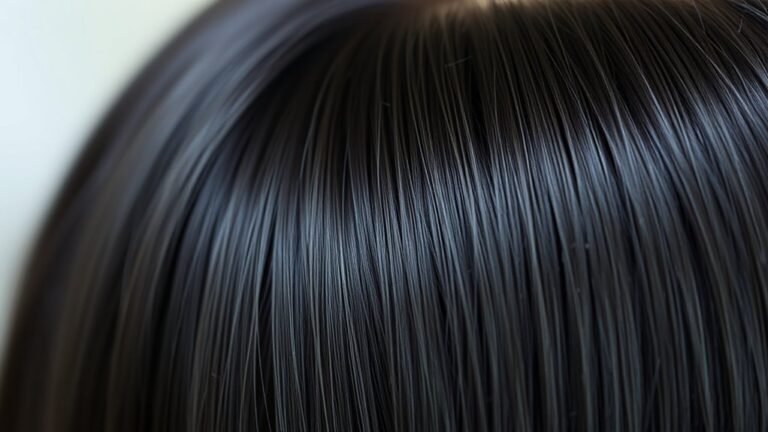
The cuticle alignment in raw hair is preserved, meaning all the strands flow in the same direction from root to tip, reducing the chance of tangling and Matting, which is common in processed hair.
How Raw Hair Differs from Processed Hair
Processed hair usually undergoes treatments such as bleaching, dyeing, perming, or relaxing to alter its natural color and texture. These processes strip hair of its natural oils and cause cuticle damage, often resulting in shorter lifespan and increased tangling.
Raw hair, by contrast, is free from such treatments which not only improves durability but also allows for more natural styling and chemical reprocessing with lower risk of damage.
- No chemical processing in raw hair
- Retained natural cuticle alignment
- Longer lifespan compared to processed hair
- More natural look and feel
The Sourcing and Collection of Raw Hair
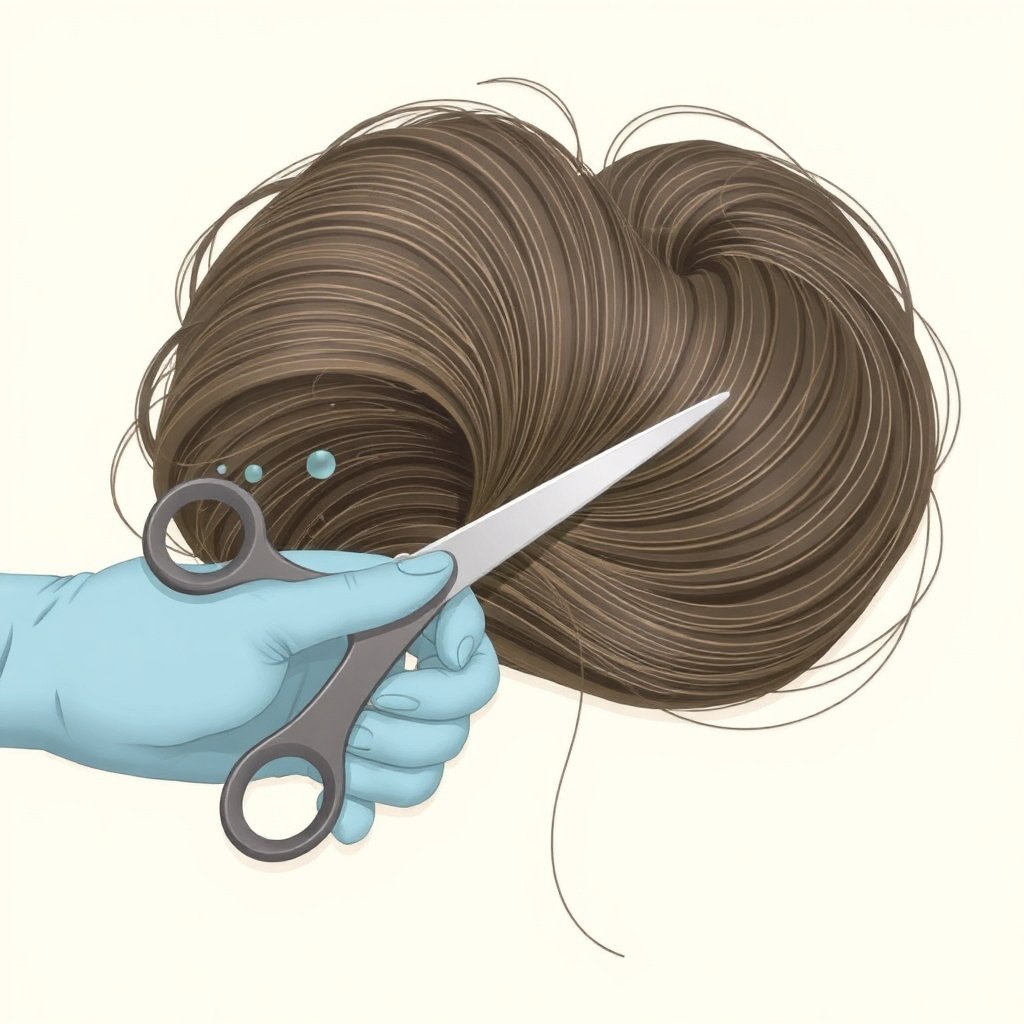
Single Donor Collection Method
Raw hair is typically sourced from a single donor to maintain uniformity in texture and color. The hair is collected in ponytails or bundles without mixing strands from different donors which can lead to inconsistent quality.
This collection method guarantees that the hair strands are consistent in thickness, texture, and growth pattern, making the hair easier to blend with natural human hair or other extensions.
- Maintains hair cuticle direction
- Ensures uniform length and texture
- Prevents tangling and shedding
Ethical and Quality Considerations
Ethical sourcing of raw hair involves willingly donated hair often from temples or individuals rather than hair taken by force or under poor conditions. Verifying source origins can protect buyers from low-quality or stolen hair.
High-quality raw hair undergoes gentle handling during collection and is cleaned without harsh chemicals so that its natural integrity is preserved for buyers seeking premium natural human hair extensions.
- Voluntary hair donation
- Sustainably collected
- Cleaned with gentle methods
Benefits of Choosing Raw Hair Extensions
Durability and Styling Versatility
Raw hair extensions are known for their long lifespan compared to processed hair, often lasting from 6 months to over a year with proper care. The intact cuticles help resist tangling and reduce breaks during styling.
Because raw hair can be chemically treated at home, users can bleach, color, curl, or straighten their extensions just like their own hair, offering a high degree of styling flexibility.
- Long-lasting wear
- Can be dyed or styled
- Resists tangling and shedding
For more on this, see our related guide: Raw Hair Bundles: A Complete Buying Guide.
Natural Appearance and Texture
Since raw hair is totally untouched, it tends to look and feel more natural than processed hair. It blends seamlessly with natural hair types when it matches in texture and color, which is important for authentic-looking extensions.
The preserved cuticles reflect light like natural hair, enhancing shine without appearing overly glossy or synthetic which is common in lower-quality processed hair.
Drawbacks and Challenges of Raw Hair

Higher Cost Compared to Other Hair Types
Raw hair typically commands a higher price because of the labor-intensive sourcing and its superior quality. The scarcity of single-donor, untreated hair increases its market value significantly.
Consumers should be prepared to invest more upfront for raw hair extensions versus synthetic or processed hair but can offset this cost through longer usability.
- Premium pricing
- Limited availability
- Potential higher shipping costs
Care and Maintenance Requirements
Raw hair extensions require regular moisturizing and gentle handling to maintain their condition since they have no protective chemical coatings. Without proper care, they can dry out or tangle.
Users need to follow specific washing and styling routines, avoid harsh chemicals, and protect hair from heat damage to preserve the longevity of raw hair.
How to Identify Genuine Raw Hair

Cuticle Integrity Inspection
Authentic raw hair has visible, intact cuticles aligned in a single direction. When running fingers through, it feels smooth and has minimal tangling compared to processed strips that can often feel coarse.
Magnification can help buyers see if the hair strands are lifted or stripped which indicates chemical damage or heavy processing.
For more on this, see our related guide: Hair Salon Service Menu: What to Include.
Source Verification and Certification
Reputable vendors provide documentation or certificates guaranteeing raw hair origin and processing details to prove authenticity. Checking reviews and seeking trusted suppliers reduces risk of counterfeit hair.
Buyers should ask for detailed product information including donor details and cleaning methods to confirm the hair is truly raw and unprocessed.
- Certification of origin
- Donor transparency
- Positive consumer feedback
Caring for Raw Hair Extensions

Washing and Conditioning Tips
Raw hair should be washed with sulfate-free shampoos and deep-conditioned regularly to maintain moisture. Avoiding heavy products with silicones helps prevent build-up which can dull the hair.
Air drying rather than heat drying preserves hair cuticles and extends the life of raw hair extensions.
- Use mild, sulfate-free shampoo
- Deep condition weekly
- Avoid silicones and heavy oils
For more detailed information about hair extensions, including raw hair, see this Wikipedia article. Raw hair information on Wikipedia.
Styling and Storage Recommendations
Use heat protectants before curling or straightening raw hair to prevent damage. Avoid excessive heat exposure to maintain natural texture and shine.
Store extensions flat or hung in a cool, dry place when not in use to prevent tangling and preserve cuticle alignment.
- Apply heat protectant
- Limit heat styling frequency
- Store extension flat or hung
Raw Hair Versus Other Hair Extension Types Comparison
Here is a comparison of raw hair and other common hair extension types highlighting key qualities.
| Hair Type | Processing | Durability | Styling Options | Typical Price Range |
|---|---|---|---|---|
| Raw Hair | Untreated | 6-12+ months | Can bleach, dye, style | $150-$400 per bundle |
| Processed Hair | Chemically treated | 3-6 months | Limited dye/styling | $50-$150 per bundle |
| Synthetic Hair | Artificial fibers | 1-3 months | No heat styling | $10-$50 per bundle |
| Virgin Hair | Minimal processing | 4-8 months | Some dyeing, styling | $100-$250 per bundle |
Frequently Asked Questions
Is raw hair better than virgin hair?
Raw hair is a type of virgin hair that remains completely unprocessed, while virgin hair may have minimal processing. Raw hair generally has better quality, longer lifespan, and more natural cuticle alignment.
Can I dye or bleach raw hair extensions?
Yes, raw hair can be dyed or bleached like your natural hair because it is untreated and resilient to chemical processes when done carefully.
How can I tell if hair extensions are raw hair?
Check for aligned, intact cuticles, a smooth feel without tangles, and ask for vendor certification about single-donor sourcing and no chemical processing.
Does raw hair tangle less than other hair types?
Yes, raw hair tangles less because its cuticles are intact and aligned in the same direction, minimizing friction between strands.
What is the best way to care for raw hair extensions?
Wash with sulfate-free shampoo, deep condition routinely, avoid excessive heat styling, use heat protectants, and store extensions properly to extend their longevity.
Key Takeaways
- Raw hair is untreated, single-donor human hair with intact cuticles
- It offers superior durability and styling versatility compared to processed hair
- Proper care is vital to maximize raw hair extension lifespan
- Authenticity depends on sourcing and vendor transparency
Conclusion
Understanding what raw hair is involves recognizing its unique qualities as single-donor, untreated human hair with intact cuticles. This preserves natural strength and texture, making raw hair extensions stand out for their durability and natural appearance. When selecting hair extensions, considering whether hair is raw can help you avoid tangling and poor-quality products that won’t blend well or last long.
For those seeking the best natural human hair extensions, raw hair bundles provide excellent value despite their higher upfront cost. Their ability to be dyed or restyled like natural hair suits anyone wanting flexible looks over time. Sourcing hair that is certified raw ensures you receive premium quality and durability over processed or synthetic alternatives. However, prospective buyers should be ready to invest time in maintenance to keep these extensions looking fresh and healthy.
If you decide raw hair extensions match your goals, start by choosing a reputable supplier who verifies donor origin and hair treatment. Care routines are essential, including gentle washing and protective styling to prolong your investment. Raw hair extends styling possibilities and delivers a naturally beautiful finish, making it a preferred choice for those serious about hair extension quality.