How to Straighten a Synthetic Wig Without Damage: A Complete Guide
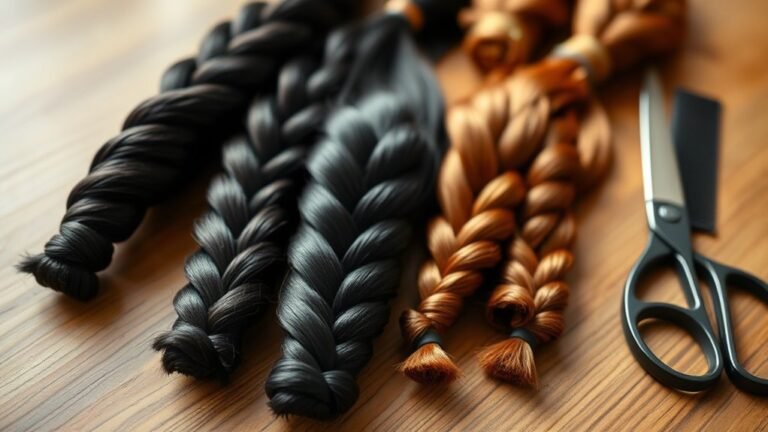
Straightening a synthetic wig requires careful handling to avoid melting or frizzing its delicate fibers. You can straighten most synthetic wigs using low-heat tools designed specifically for synthetic hair, or by resorting to heat-free methods like cold styling with rollers or wrapping techniques. The key is controlling the temperature and approach to keep the wig looking smooth without damage.
Synthetic wigs are popular for their affordability and ease of use, but their fibers are sensitive and react differently than human hair. Unlike natural hair, synthetic fibers can melt or become irreversibly damaged if exposed to excessive heat. Therefore, understanding how to safely straighten these wigs helps extend their lifespan and maintain a natural appearance.
This guide covers various straightening options for synthetic wigs, including heat-based techniques with styling tools intended for synthetic fibers, heat-free methods to minimize risks, and essential pre- and post-straightening care tips. You’ll learn how to achieve sleek, straight styles without compromising your wig’s quality.
Understanding Synthetic Wig Fibers and Heat Tolerance

Types of Synthetic Wig Fibers
Synthetic wigs are commonly made from fibers such as Kanekalon, Toyokalon, or heat-friendly synthetic blends. Each type has its own characteristics, with heat-friendly fibers designed to withstand some heat styling, unlike traditional plastic-based fibers that will melt or deform under heat.
Knowing the type of fiber your wig is made from helps determine the appropriate straightening method. Labels or packaging usually indicate if the wig is heat-resistant, affecting which tools or temperatures you should use during styling.
Heat Tolerance Levels
Most synthetic wigs tolerate temperatures up to around 250°F (121°C) if labeled heat-friendly, though it's safest to stay below 200°F (93°C) for styling. Regular synthetic fibers generally cannot handle heat beyond low touch for short periods, meaning traditional flat irons can easily cause permanent damage.
Confirming heat limitations protects your investment in the wig, preventing melting, frizz, or fiber brittleness. Always use temperature-controlled tools and test a small strand before proceeding.
- Heat-friendly synthetic wigs: up to 250°F
- Regular synthetic wigs: no heat or very minimal heat
- Use temperature-controlled styling tools
- Always perform strand tests before full styling
Heat-Based Straightening Techniques for Synthetic Wigs
Using a Low-Heat Flat Iron
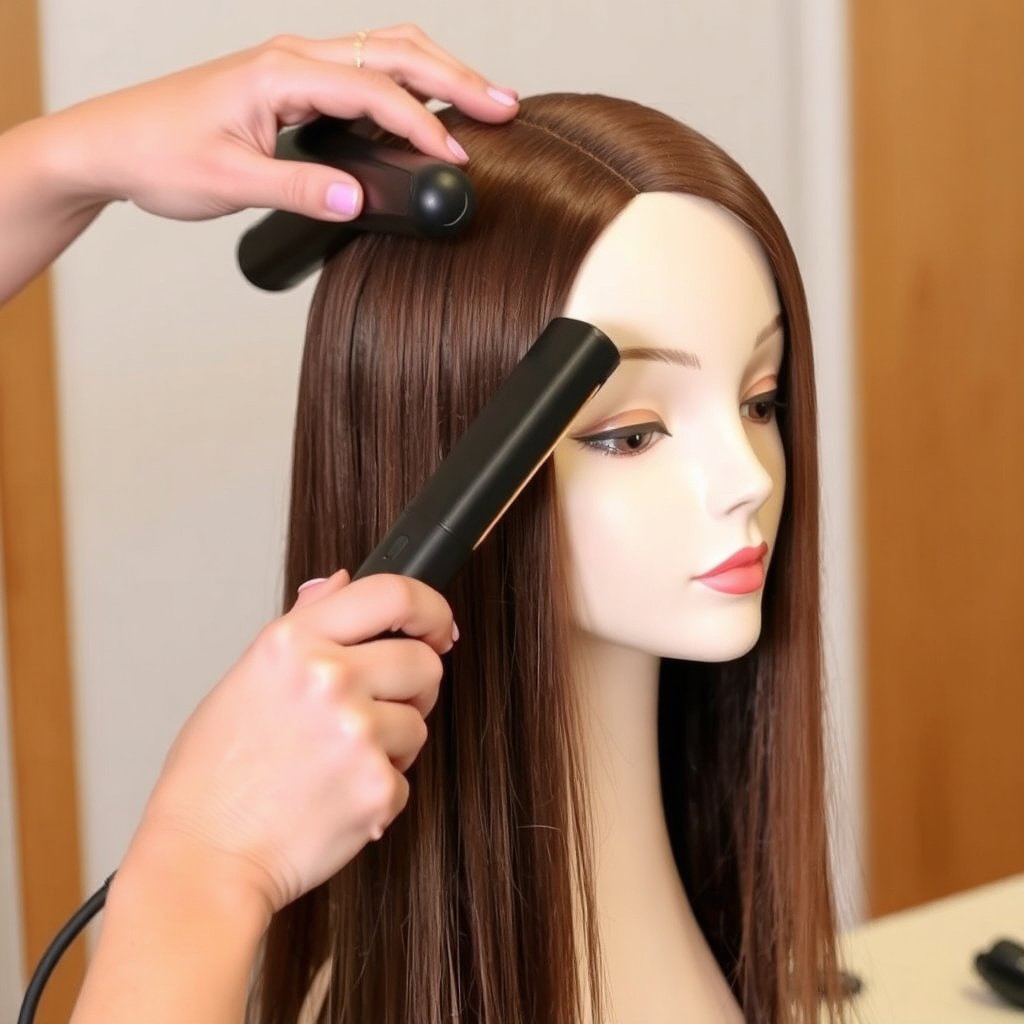
If your synthetic wig is heat-friendly, apply a heat protectant spray specifically formulated for synthetic hair before styling. Set your flat iron to a low temperature (under 250°F) and work in small, gentle passes to straighten the fibers without overheating.
Avoid leaving the flat iron in one spot and never use steam. After straightening, let the wig cool completely on a wig stand to lock in the sleek style.
- Heat protectant spray for synthetics
- Flat iron temperature: 200-250°F max
- Work in small sections with gentle passes
- Cool wig on stand post-styling
Blow Drying With a Cool or Warm Setting
Using a blow dryer on a synthetic wig requires a cool or warm airflow setting, never hot. Attach a comb or straightening brush and gently work through the fibers to smooth them out.
Maintain distance between the hair and dryer to minimize heat exposure. This method may not fully straighten tight curls but can help reduce frizz and tame waves.
- Cool or warm heat only, no hot air
- Use comb/straightener attachment
- Keep blow dryer at least 6 inches away
- Best for smoothing, not aggressive straightening
Heat-Free Methods to Straighten Synthetic Wigs
Roller and Wrap Styling
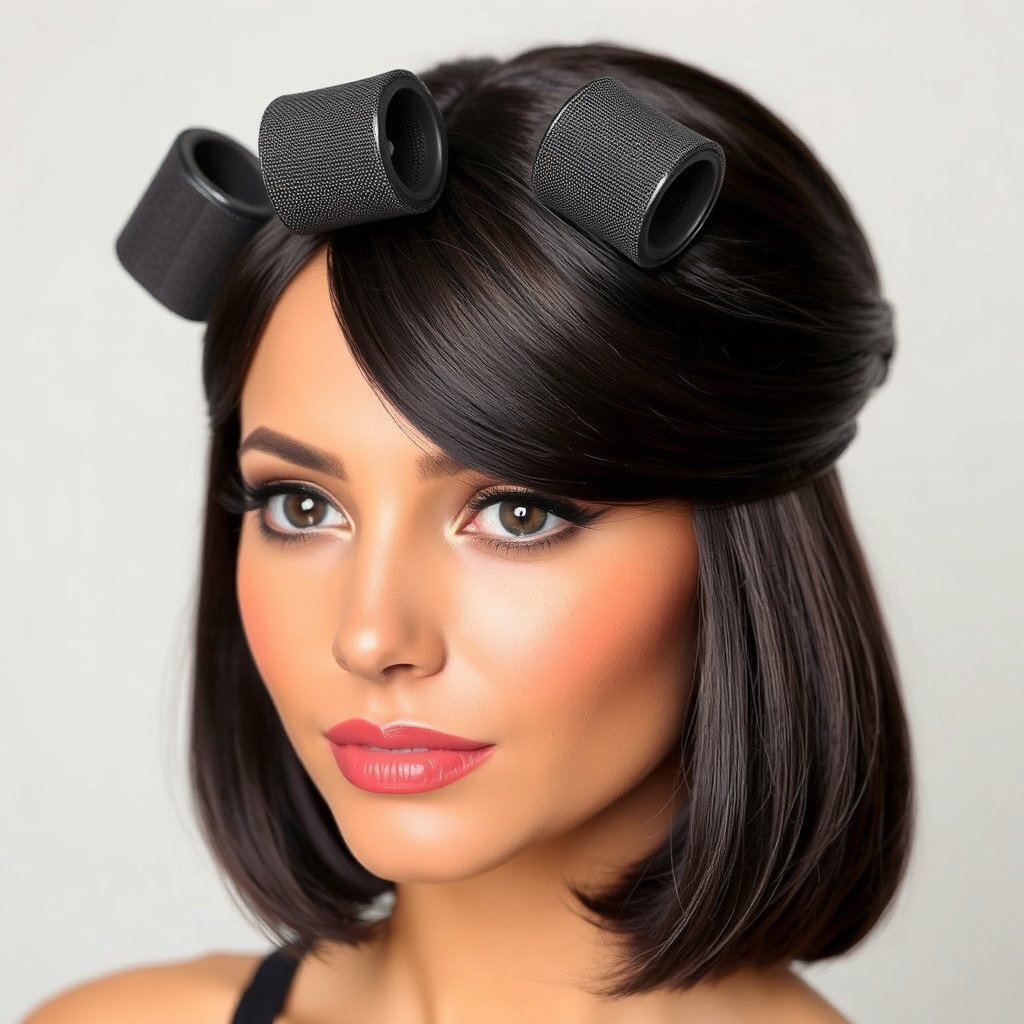
Heat-free straightening involves wrapping the wig hair strands around large rollers or styling rods and securing them in place. This flattening technique provides a smoother look once the wig dries and the rollers are removed.
Use a leave-in conditioner or wig detangler spray to ease manipulation during wrapping. Let the wig air dry completely on a stand to hold the straightened shape for several hours or overnight.
- Use large rollers or styling rods
- Apply leave-in conditioner or detangler
- Allow full air drying on wig stand
- Gentle wrapping avoids fiber stress
For more on this, see our related guide: Is Human Hair Wig Worth It? The Complete Answer.
Cold Water and Towel Straightening
Another no-heat method is to lightly wet the wig with cold water, then flat-comb the fibers and gently wrap the wig fabric around a mannequin head or a cylindrical object to set its shape.
After towel blotting excess water, secure the wig with clips and let it dry naturally to achieve a straighter appearance. This method reduces risks of heat damage and can refresh textured synthetic fibers.
- Use cold water to dampen wig
- Flat comb through fibers carefully
- Wrap wig around round form
- Air dry fully before wearing
Wig Maintenance Before and After Straightening

Preparation for Straightening
Before any straightening session, gently detangle the synthetic wig using a wide-tooth comb to reduce fiber breakage. Clean the wig according to manufacturer instructions if it’s been used multiple times, as buildup can prevent smooth styling results.
Consider applying a silicone-based wig serum or heat protectant spray to shield the fibers during heat-based styling, protecting shine and moisture.
- Detangle gently with wide-tooth comb
- Wash and dry wig if necessary
- Use heat protectant or silicone spray
- Avoid heavy oils that weigh fibers down
Post-Straightening Care
After straightening, avoid exposing the synthetic wig to excessive humidity, which can cause frizz, and store it properly on a wig stand to maintain its smooth shape. Regularly apply wig-specific conditioning products to keep fibers soft and reduce tangling.
Clean the wig gently when needed, using synthetic wig shampoos and cold water to preserve fiber integrity.
- Store on wig stand or mannequin head
- Avoid humid environments after styling
- Use conditioners made for synthetic wigs
- Clean with synthetic wig shampoo and cold water
Tools and Products Ideal for Synthetic Wig Straightening
Recommended Styling Tools
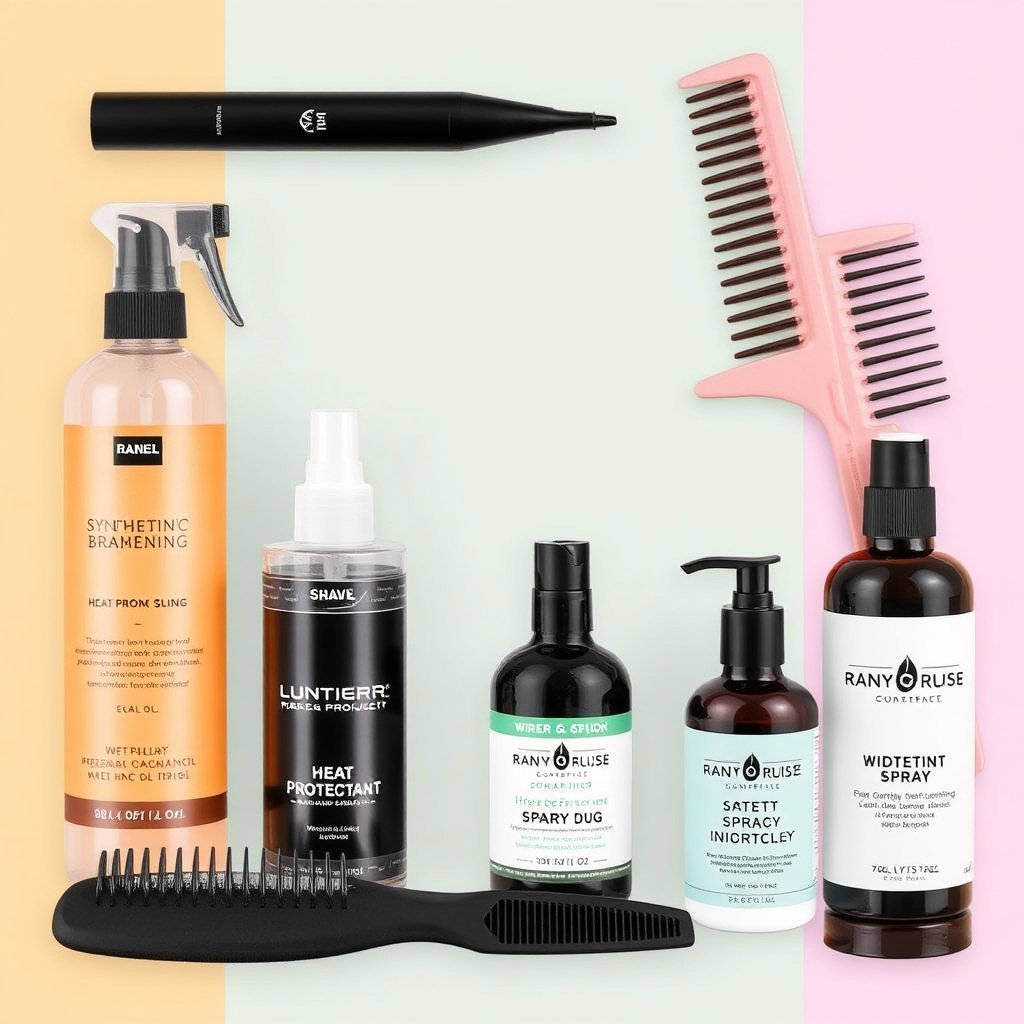
Low-heat flat irons with adjustable temperature or steamless styling brushes designed for synthetic fibers are best choices. Avoid high-temp styling devices unless your wig specifically states it is heat-friendly.
Wide-tooth combs and smoothing brushes made for synthetic hair help reduce snagging and distribute styling products evenly.
- Low-heat flat irons with adjustable temp
- Steamless synthetic wig brushes
- Wide-tooth combs
- Velcro rollers or soft styling rods
For more on this, see our related guide: Where to Buy Lace Front Wigs: Your Local Shopping Guide.
Effective Products for Synthetic Wig Care
Heat protectant sprays formulated for synthetic fibers help prevent heat damage during styling. Silicone-based serums add shine and reduce static. Synthetic wig shampoos and leave-in conditioners maintain softness and manageability.
Avoid heavy oils and alcohol-based styling sprays, as they can damage fibers and cause drying or buildup.
- Synthetic wig heat protectants
- Silicone-based shine serums
- Synthetic wig shampoos and conditioners
- Avoid heavy oils and alcohol in products
Common Mistakes to Avoid When Straightening Synthetic Wigs

Applying Excessive Heat
One of the most frequent errors is using high heat settings not suitable for synthetic fibers, which causes melting, frizz, and irreversible damage. Avoid regular flat irons or curling irons without temperature control when styling synthetic wigs.
Always check the wig’s fiber type and limit heat to the lowest possible setting tested safe for the material.
- Avoid high-temperature heat tools
- Do not hold tools on fibers too long
- Check heat tolerance labels carefully
Improper Detangling and Handling
Pulling or combing through synthetic wig tangles aggressively prior to straightening can cause fiber breakage. Using the wrong comb or brushing wet synthetic hair roughly also increases damage risk.
Gently detangle with a specialized wig comb or brush starting from the ends upward, which helps maintain wig fiber alignment and longevity.
- Avoid tugging through tangles
- Use wide-tooth combs or wig brushes
- Start detangling from ends to roots
Styling Tips for Maintaining Straightened Synthetic Wigs

Daily Styling Practices
Limit exposure to humidity and friction which tend to cause synthetic wigs to lose their straightened shape quickly. Use satin or silk pillowcases if you wear your wig overnight to reduce static and fiber disturbance.
Lightly mist the wig with anti-static synthetic wig sprays as needed to keep the hair smooth and easy to style each day.
- Avoid humid or wet environments
- Use satin or silk head coverings during rest
- Apply anti-static sprays daily
For a deeper understanding of synthetic wig fiber materials and properties, you can explore this detailed explanation of synthetic hair fibers. Synthetic fiber wig types explained.
Refreshing the Straightened Look
If the wig starts to curl or frizz, gently reapply low-heat straightening or smooth with cold water and wrapping techniques described earlier. Avoid over-styling to preserve fiber integrity.
Regular washing with suitable synthetic wig shampoos also revitalizes the fibers and maintains a fresh appearance.
- Use low-heat styling sparingly
- Refresh with cold water and rolling
- Wash wig regularly with synthetic shampoo
Comparison of Synthetic Wig Straightening Methods
The following table highlights the differences in common methods used to straighten synthetic wigs, focusing on heat use, risk level, and results.
| Method | Heat Use | Risk of Damage | Ease of Use | Results Durability |
|---|---|---|---|---|
| Low-Heat Flat Iron | Low heat (≤250°F) | Moderate if used properly | Moderate | Long-lasting with care |
| Blow Dryer (Cool/Warm) | Cool to warm air only | Low | Easy | Moderate |
| Roller and Wrap Styling | No heat | Minimal | Moderate | Moderate to long |
| Cold Water and Towel Straightening | No heat | Minimal | Easy | Short to moderate |
| High-Heat Flat Iron (Not Recommended) | High heat | High (causes fiber melting) | Easy | Irreversible damage |
Frequently Asked Questions
Can I use a regular flat iron on a synthetic wig?
Regular flat irons typically operate at high temperatures that can melt or damage synthetic fibers. Only use flat irons with adjustable low temperatures suitable for heat-friendly synthetic wigs, and always test a small section first.
How can I tell if my synthetic wig is heat-resistant?
Check the wig’s packaging or label for terms like heat-friendly or heat-resistant. Manufacturers often specify the maximum temperature the fibers can tolerate, guiding safe styling options.
What is the safest way to straighten a synthetic wig without heat?
Heat-free methods such as wrapping the wig on large rollers or rods and letting it air dry, or dampening with cold water and towel wrapping, offer safe ways to straighten without risking heat damage.
How often can I straighten my synthetic wig safely?
Limit heat-based straightening to occasional styling sessions to avoid cumulative fiber damage. Frequent heat exposure, even at low temperatures, can weaken fibers over time.
What products help maintain a straightened synthetic wig?
Use synthetic wig-specific heat protectant sprays, silicone-based serums, and anti-static sprays. Avoid heavy oils and alcohol-based products which can cause buildup and damage.
Key Takeaways
- Use low-heat tools only if your synthetic wig is heat-friendly.
- Heat-free methods like wrapping and cold water dampening are safest.
- Always detangle and protect fibers before straightening.
- Avoid excessive heat or improper handling to extend wig life.
Conclusion
Straightening a synthetic wig involves balancing appearance goals with fiber safety. Understanding the wig’s fiber type and heat tolerance is fundamental to avoid damaging the wig during styling. Whether using heat-friendly synthetic fibers or traditional ones, carefully controlled heat or heat-free techniques preserve wig quality and appearance. Preparation before styling and proper maintenance afterward further safeguard the investment of time and money placed into synthetic wigs.
If you own a heat-friendly synthetic wig, low-heat flat irons or blow dryers set on warm offer effective straightening options with longer-lasting results. Conversely, if the wig isn’t heat-resistant, opting for roller or wrap styling techniques or cold water straightening can deliver smoother looks without heat damage risks. Using recommended tools like wide-tooth combs and product choices such as heat protectants enhance the styling experience and fiber longevity.
Before straightening your synthetic wig, confirm its fiber type and choose an appropriate method accordingly. Start with a heat-free approach if uncertain. Always detangle and protect the wig fibers, and store the wig properly after styling. By following these steps and regularly caring for your synthetic wig, you can enjoy sleek, straight styles safely and extend your wig’s overall lifespan.